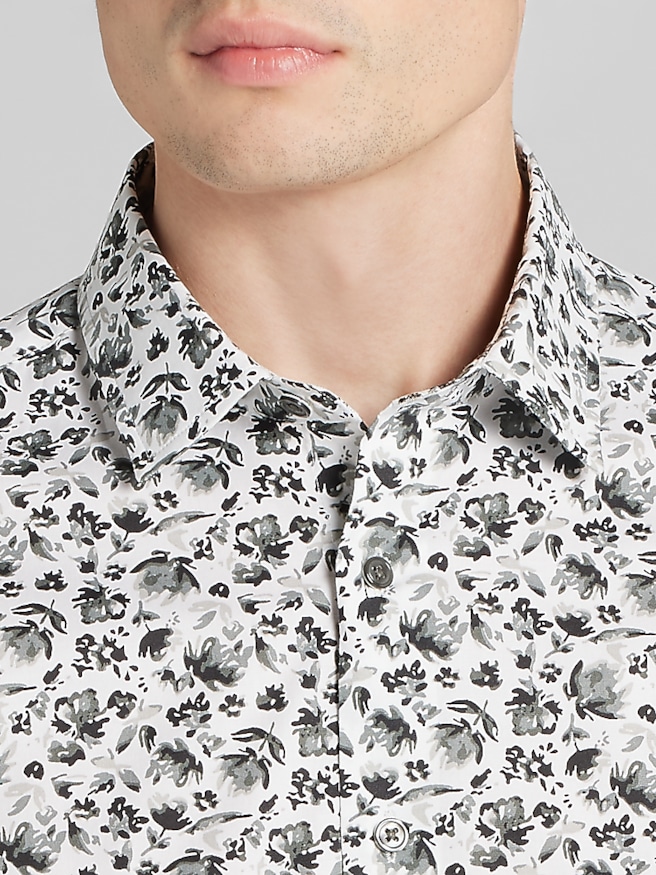
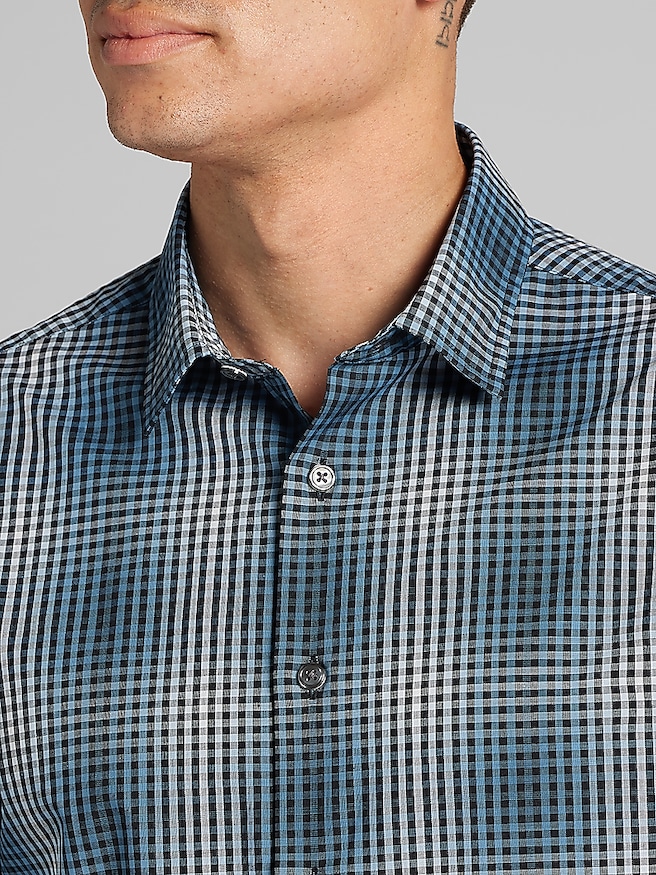
Cotton clothing for men brings together familiar softness, breathable comfort, and a range of textures that work for everyday dressing. Made from the fibers surrounding the cotton plant’s seeds, cotton can become anything from a smooth, lightweight shirting fabric to sturdy twill or a substantial sweater knit. That variety makes fiber content only part of the story: the weave, yarn, fabric weight, and finish all affect how a garment feels and wears. A crisp woven cotton shirt holds a cleaner outline than a relaxed jersey knit, while brushed cotton has a softer surface that feels welcome during the cooler months. Cotton absorbs moisture, but it does not dry as quickly as many performance fabrics, making it especially useful for ordinary daily activities rather than prolonged exercise or wet outdoor conditions. For a commute, an afternoon at a desk, or dinner with friends, its appeal is straightforward: comfortable fabric against the skin and an appearance that can lean polished or casual. Clothing made from 100% cotton emphasizes the fiber’s natural feel, while cotton blends can introduce other qualities. A small amount of elastane adds stretch; polyester may improve wrinkle resistance and drying speed. The exact balance depends on the fabric’s construction and composition, so a blend is not automatically softer, stronger, or better suited to every occasion. Longer-staple cotton fibers can produce smoother yarns with fewer exposed ends, though stitching, finishing, and everyday care also influence how well clothing lasts. Across shirts, pants, knitwear, and casual layers, cotton offers useful choices for men who value comfort without limiting their wardrobe to one dress code. It also layers comfortably beneath jackets and heavier outerwear when temperatures drop. A lighter cotton layer can remain comfortable inside a heated office, while a more substantial weave adds texture and structure for time spent outside between appointments. The result is a fabric family that fits naturally into the small transitions of a typical day, from the morning commute to an evening gathering.
Fit gives cotton clothing much of its character, shaping both its appearance and its comfort in motion. In a woven shirt, shoulder seams that sit near the shoulder’s edge and a chest that lies smoothly help create a neat silhouette without pulling across the buttons. Enough room through the upper back matters when reaching for a steering wheel or sitting through a long meeting. A close fit can look streamlined, but fabric stretched tight across the torso tends to crease and restrict movement, particularly when the material contains no stretch fibers. Relaxed cuts offer more ease and can accommodate a light layer underneath without making the outfit feel bulky. For cotton pants, comfort depends on the rise, room through the seat and thighs, and how the waistband feels while seated—not just the labeled waist size. A tapered leg creates a narrower outline, while a straight leg offers a more consistent line from knee to hem. Fabric weight plays a role here, too: substantial cotton twill tends to hold its shape more firmly than a lightweight weave, which moves more freely and may show wrinkles more readily. Those distinctions make cotton adaptable to varied settings. Smooth shirting and neatly pressed pants can suit a business-casual office, while textured knits and softer finishes feel at home at a backyard gathering or a quiet weekend lunch. Pattern adds another way to adjust the mood without changing the basic comfort of the fabric. For a crisp alternative to solid colors, cotton striped shirts for men bring visual definition to everyday outfits, with narrow stripes often reading more understated than broad, high-contrast patterns. Paired with solid-color layers, stripes can look composed without feeling overly formal. Cotton’s range of surfaces also allows subtle contrast within a mostly neutral outfit: a smooth shirt beneath textured knitwear, or a soft knit worn with structured twill. These combinations offer interest through the fabric itself rather than relying on bold color or elaborate styling.
Care and construction help determine whether cotton clothing remains a regular part of a wardrobe over time. Cotton can shrink with heat and agitation, and even fabric described as preshrunk may change slightly after laundering. The garment’s care label remains the most useful reference because dyes, finishes, linings, and blended fibers can require treatment beyond what the cotton content alone suggests. When machine washing is permitted, cool water and a gentle cycle can help limit fading and unnecessary wear. Turning darker clothing inside out reduces abrasion on the visible surface, while separating rough fabrics and exposed fasteners helps protect smoother cotton pieces. High dryer heat can encourage shrinkage and set creases; a lower permitted setting or air-drying often provides a gentler approach. Heavy cotton knits are generally better dried flat when directed, since hanging them wet can stretch the shoulders and lengthen the body. Woven clothing may benefit from a brief press at the label’s recommended temperature, particularly around collars, cuffs, and hems. A slightly relaxed finish can be equally appropriate for casual settings, where a few natural wrinkles are part of the fabric’s character. Durability depends on more than thickness: even stitching, secure buttons, well-finished seams, and reinforcement at stress points all contribute to reliable wear. Friction at cuffs, pocket edges, and inner thighs is normal, but a comfortable fit helps avoid additional strain in those areas. Treating stains promptly according to care instructions and allowing clothing to dry fully before storage also supports long-term use. For gifting, cotton clothing has broad appeal because it can serve familiar routines, from a recent graduate building an office wardrobe to a father who appreciates comfortable weekend layers. The most thoughtful choice reflects the recipient’s usual fit, preferred colors, and willingness to iron or follow special washing instructions. Softness matters, but so does the ease of reaching for a garment on a busy morning. Cotton earns its place through that combination of tactile comfort, useful structure, and versatility across workdays, downtime, and relaxed celebrations.