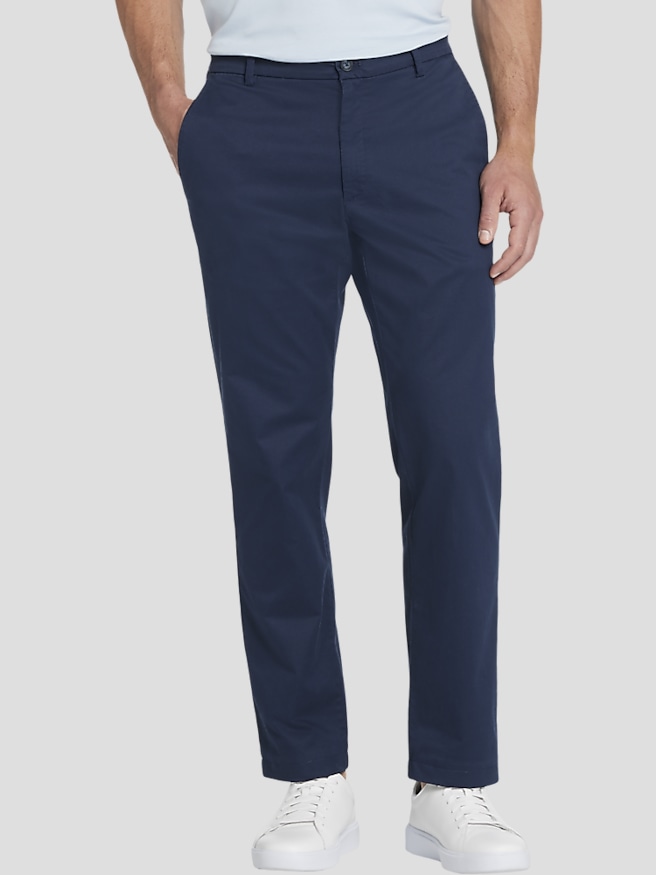
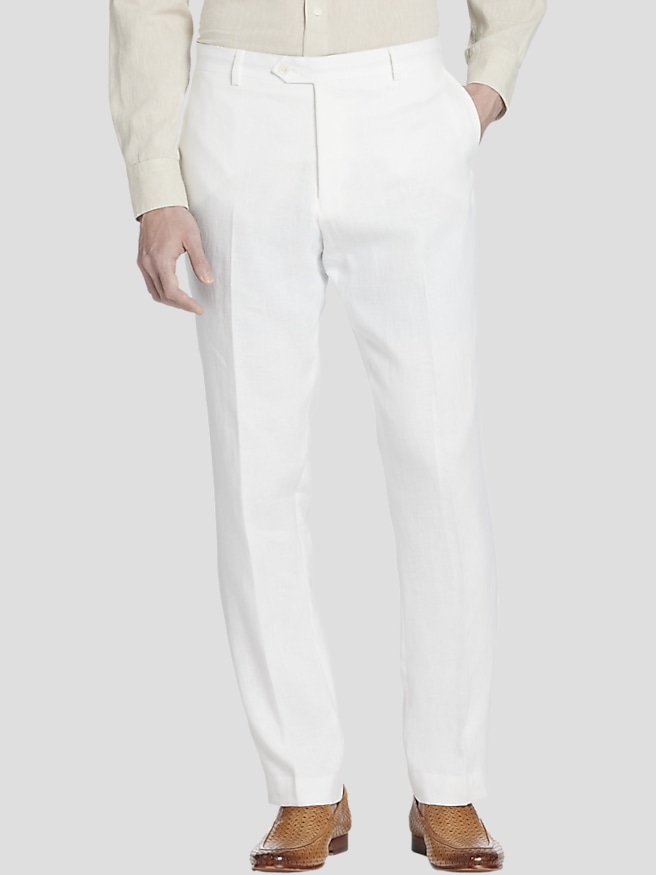
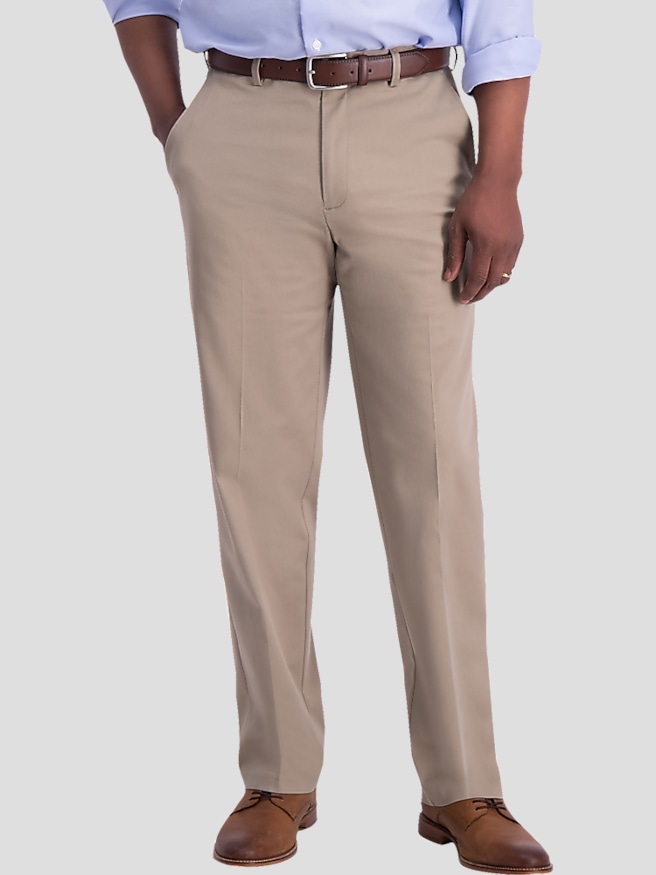
Comfortable summer pants combine breathable fabric, room to move, and a waistband that feels easy through hours of sitting, walking, and standing. Low fabric weight helps, but comfort also depends on the weave, texture, cut, and lining. Linen is a familiar choice because its fibers and often open weave create an airy feel, while its characteristic creases give it a relaxed appearance. Cotton offers softness and absorbency, with lightweight twill bringing a little more structure than gauze or loosely woven cotton. Seersucker has a puckered surface that holds portions of the cloth away from the skin, making it particularly appealing for warm-weather gatherings. Linen-cotton blends can balance a crisp texture with a softer hand, though the exact feel depends on the proportions and construction. Lightweight wool can also work well for dressier settings, especially in an open weave designed for breathability. Within the category of lightweight summer pants, the lightest fabric is not always the most comfortable for every purpose. A very thin cloth may reveal pocket outlines or feel too delicate for frequent wear, while a slightly more substantial weave can provide better coverage and a cleaner drape. Stretch blends can make bending and reaching easier, but stretch alone does not guarantee airflow. Similarly, moisture-wicking and quick-drying properties depend on the fabric and finish rather than the presence of a particular fiber. Soft jersey offers flexibility for casual wear, although a dense knit may feel warmer than a loosely woven fabric of similar weight. Cotton absorbs moisture readily and can remain damp longer than some fabrics engineered to dry quickly. These distinctions matter on a humid afternoon, during a long walk between destinations, or when moving from an outdoor ceremony into an air-conditioned dining room. The most useful balance is enough breathability for the setting, enough structure for the occasion, and a texture that feels pleasant against the skin.
Fit gives comfortable summer pants their everyday practicality. A relaxed straight leg leaves space around the thighs and calves without necessarily looking oversized, while a tapered leg can create a neater outline when there is still sufficient room through the seat and upper leg. Slim cuts need not feel restrictive, but fabric that pulls across the hips or catches behind the knees can become distracting over a long day. A comfortable rise allows the waistband to sit securely without pressing into the stomach when seated. Elastic waistbands and drawstring adjustments offer flexibility for casual settings and extended travel, while a structured waistband with a little stretch can feel more appropriate with a tucked-in shirt. Neither approach replaces a good fit: a waist that is too loose may require constant adjustment, and one that is too tight can strain pockets and seams. Pocket construction also affects comfort. Deep, secure pockets are useful on the move, but carrying a phone, keys, and a bulky wallet can weigh down lightweight cloth and change how the pants hang. Length deserves similar attention. A clean hem with little excess fabric keeps the silhouette tidy, while an intentionally cropped cut gives casual outfits a more relaxed character. For office days, breathable chinos or lightweight dress pants can pair naturally with an Oxford shirt, polo, or unstructured jacket. For a summer wedding, an airy dress fabric and carefully finished hem help maintain the polish expected of the occasion; the invitation’s dress code still takes priority over fabric preference. Drawstring and pull-on styles suit relaxed dinners, sightseeing, and time spent at a vacation house. Neutral shades such as navy, tan, gray, and olive are easy to combine with familiar shirts and shoes. Lighter colors can look especially crisp, although adequate fabric coverage matters in bright daylight. Comfort is most convincing when the pants let the wearer settle into a car seat, climb stairs, or sit through dinner without repeatedly tugging at the waistband or knees.
Care and construction help determine whether summer pants remain comfortable beyond their first few wears. Lightweight does not have to mean fragile, but finer cloth benefits from thoughtful handling, particularly at pocket openings, belt loops, and seams that receive repeated stress. Even stitching, secure buttons, and smoothly finished interior seams are useful signs of considered construction. A soft fabric that rubs or bunches at a rough seam can feel less comfortable than a slightly firmer fabric with a clean finish. Care requirements vary by fiber, blend, lining, and trim, so the garment’s care label is the right starting point. Washable cotton and linen may shrink or develop stronger creases with excessive heat, and drying methods can affect both dimensions and surface texture. Some tailored fabrics require professional cleaning even when the main fiber seems familiar. Allowing pants to dry fully before storing them, addressing spills promptly according to care instructions, and avoiding overfilled pockets can help preserve their shape. Linen’s natural wrinkles are part of its appearance rather than an automatic sign of poor care; a sharper finish may call for pressing or steaming when permitted by the label. Hanging tailored pants neatly helps maintain their drape, while packing with fewer hard folds can reduce deep creasing during travel. Durability also depends on matching the fabric to its use. A delicate, airy weave may be pleasant for a seated gathering but less suitable for repeated friction from rough benches or a heavily loaded shoulder bag resting against the hip. For men building an everyday wardrobe, versatile summer pants can bridge commuting, casual meals, and travel without requiring a completely different outfit for each setting. They can also make a thoughtful gift for a partner, father, brother, or friend who appreciates practical clothing, especially when waist size, inseam, preferred rise, and care habits are known. A familiar silhouette in a breathable fabric is often more useful than an unfamiliar cut chosen only for appearance. The lasting appeal comes from the combination of easy movement, dependable construction, and a finish suited to the places the wearer actually goes.