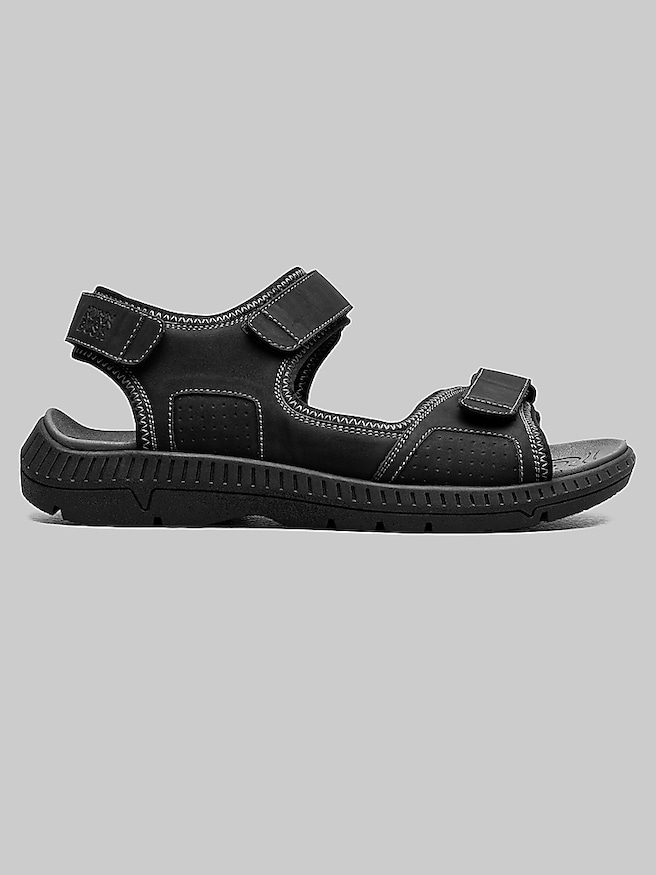
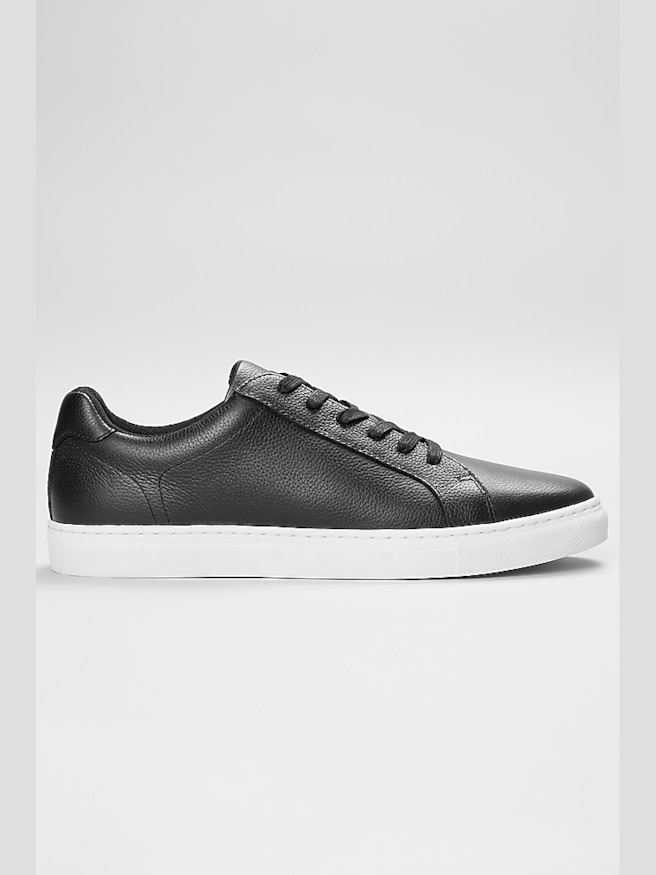
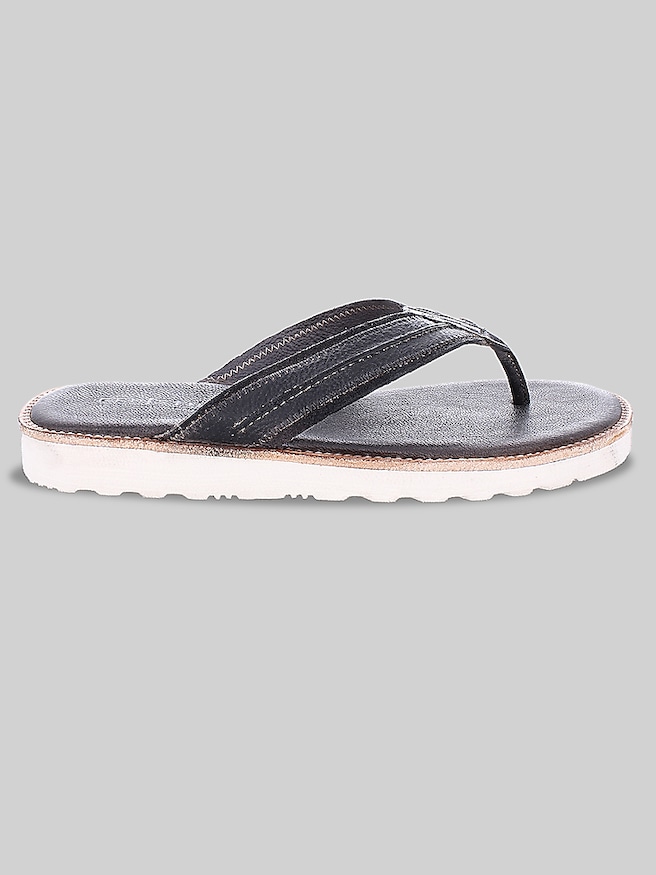
Comfortable sandals combine a supportive footbed, cushioning that holds its shape, and straps that keep the foot secure without rubbing or digging into the skin. The best fit feels stable through an ordinary stride, whether the day involves a quick coffee stop, an afternoon of sightseeing, or a relaxed dinner with friends. Softness alone does not tell the whole story: a footbed can feel plush at first yet offer little support after extended wear. Contoured designs help distribute pressure across the foot, while a shaped heel cup can help keep the heel centered. Arch support should sit comfortably beneath the arch rather than feel like a hard ridge pressing into it. A flexible forefoot allows a natural step, but a sole that folds too easily may not provide the structure some wearers prefer for longer walks. Fit matters just as much as construction. Toes and heels should remain within the edges of the footbed, with a little breathing room rather than a tight, edge-to-edge match. Straps should hold the foot in place without leaving deep marks, and adjustable closures can accommodate differences in foot shape or changes in fullness over the course of a day. Width deserves attention, too, especially when the length seems correct but the sides feel crowded. For thong-style designs, a smooth toe post and a comfortable position between the toes are essential; discomfort there is not something to dismiss as an inevitable part of breaking in footwear. Backstraps can add security for walking, while open-back silhouettes make slipping footwear on and off easier. A useful fit check includes several normal steps, a turn, and a pause on the balls of the feet. The sandal should move with the foot without excessive sliding, toe gripping, or a repeated slap against the heel. That balanced fit helps make comfortable sandals feel easy to wear beyond the first few minutes.
Materials influence how sandals feel against the skin, how they respond to repeated wear, and how much attention they need between outings. Leather uppers can develop a supple feel and a distinctive patina, though their finish and construction determine how much they soften. Smooth strap edges, neatly finished seams, and soft linings are especially important where the upper crosses the top of the foot. Suede has a velvety texture but generally needs more protection from moisture and staining. Textile straps can offer a light, flexible feel, while synthetic uppers vary widely in softness, breathability, and resistance to water. No single material makes every sandal suitable for every activity. A pair intended for repeated splashes needs materials and construction designed for that use; an open design alone does not make leather or suede appropriate for getting wet. Underfoot, molded foam can provide lightweight cushioning, cork blends can offer a structured feel that gradually conforms with wear, and rubber outsoles can contribute grip and resistance to abrasion. Actual performance depends on the complete construction, not simply the material name. Tread depth, sole flexibility, and the surface underfoot all affect traction, and no outsole guarantees a slip-free step. Durability also shows up in less obvious details: even stitching, securely attached straps, reinforced stress points, and closures that remain dependable after repeated adjustments. Care should follow the footwear maker’s directions, particularly when a sandal combines several materials. Loose grit can be brushed away before it works into seams or scratches a footbed. Appropriate cleaners help address marks without saturating components that should stay dry, and leather may benefit from a compatible conditioner when recommended. Damp sandals should air-dry away from direct heat, which can damage adhesives or stiffen some materials. Giving footwear time to dry between wears, keeping hook-and-loop closures clear of lint, and checking tread for worn patches are simple habits that support lasting comfort. A flattened footbed, loose strap attachment, or unevenly worn sole can change how a familiar pair feels, even when the upper still looks presentable.
The right comfortable sandals suit both the wearer’s routine and the places they plan to go. For travel, a secure fit and manageable weight can matter more than an especially thick footbed, particularly when a day includes walking through a hotel, standing in a museum, and stopping for lunch along the way. Straps with several adjustment points can be useful when feet need a more personalized fit, while simple slides work well for brief outings and easy transitions around the house. Longer walks generally call for more attention to heel security, underfoot support, and traction than a short trip across a patio. Beach or pool use introduces another set of considerations, including water-friendly materials, a secure wet-foot fit, and straightforward cleaning afterward. Designs intended for those settings should be evaluated separately from sandals chosen mainly for casual dinners or everyday errands. Appearance still plays a part in footwear that gets worn often. Streamlined straps, restrained hardware, and neutral shades pair easily with chino shorts, relaxed trousers, and linen separates; more textured uppers or substantial soles create a more casual impression. The styles described as Cool Sandals can complement that relaxed approach, with visual details that work alongside practical comfort. Sandals remain casual footwear, so the setting and dress code should shape the choice when an occasion calls for polished shoes. As a gift for a partner, father, brother, or friend, they are most thoughtful when matched to an established preference for strap placement, footbed shape, and width. Someone who enjoys an easy slip-on may value simplicity, while a frequent walker may prefer a secure backstrap and adjustable fit. Familiar sizing is a useful starting point, but proportions vary between designs, making the fit across the toes, arch, and heel more meaningful than the size marking alone. Everyday ease comes from those details working together: a comfortable surface underfoot, an upper that stays put, and construction suited to the way the sandals will actually be worn.