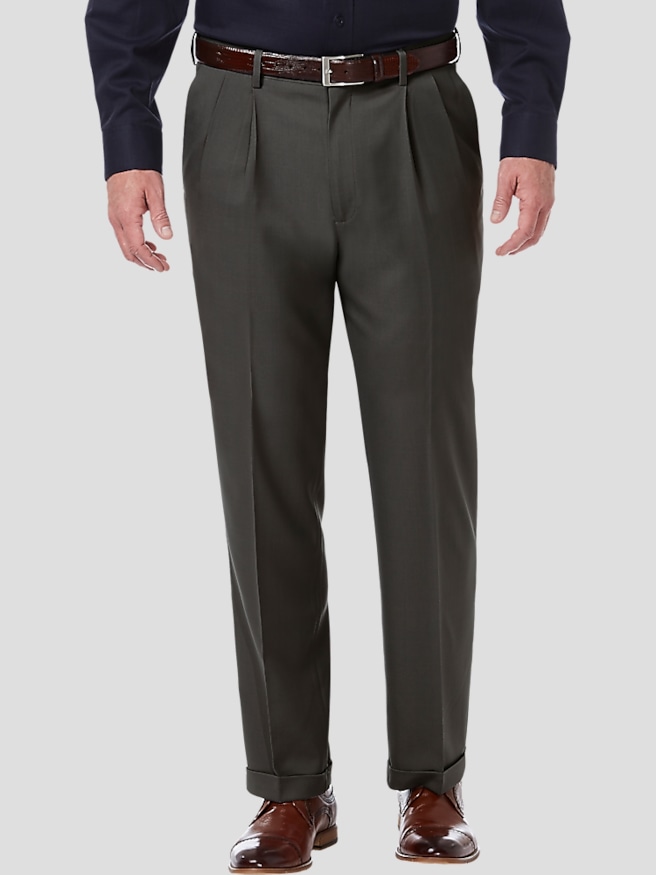
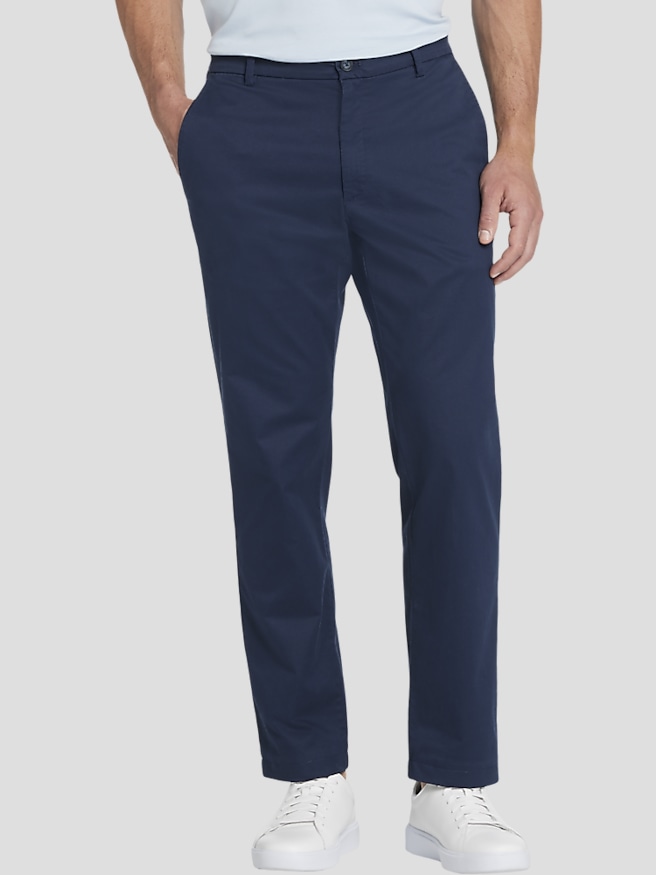
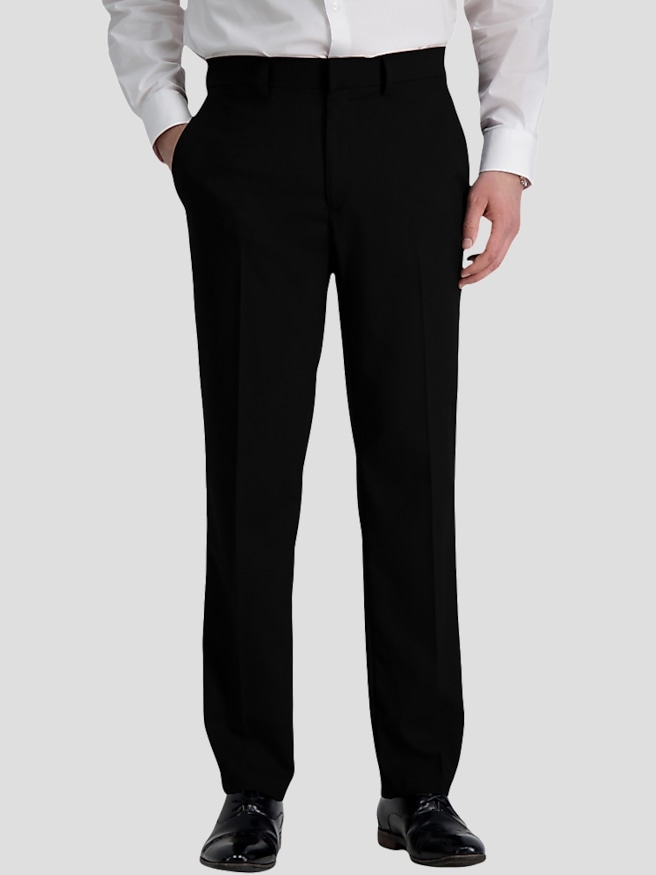
Comfortable pants for teachers combine a soft feel, ease of movement, and a polished appearance suited to the classroom. The most useful balance is fabric that gives when sitting or bending, a waistband that stays comfortable through a full schedule, and a shape that looks neat with everyday teaching clothes. A typical day can include standing at a whiteboard, leaning over a desk to review an assignment, walking between classrooms, and sitting through a planning meeting. Pants need to accommodate those changes without requiring constant adjustment. Stretch chinos and dress pants offer familiar professional silhouettes, while softly structured knit trousers can provide flexibility with a similarly finished look. Fabric composition helps explain how each type feels and behaves. Cotton-rich fabrics often have a soft, familiar hand, while polyester blends can contribute wrinkle resistance and shape retention. A small amount of elastane adds give, although the stretch percentage alone does not determine comfort; the weave, garment construction, and cut matter, too. Some woven fabrics offer modest flexibility, while certain knits stretch more readily in multiple directions. A smooth finish and enough substance to drape cleanly help distinguish classroom-ready pants from exercise clothing. Fabric that feels pleasant against the skin is especially valuable when a teacher spends several consecutive periods moving, sitting, and standing. Texture also influences how pants work within a teaching wardrobe. A subtle twill pairs naturally with an Oxford shirt or polo, while a finer surface looks more tailored with a button-down and sport coat. Neutral shades such as navy, charcoal, khaki, and black make coordinating repeated outfits straightforward without making every combination look identical. For educators whose responsibilities move from hands-on demonstrations to conferences, understated pants can provide a consistent foundation. The goal is not a stiff, formal appearance, but clothing that stays composed while its wearer concentrates on explaining a concept, leading a discussion, or helping a student work through a difficult problem.
Fit is just as important as softness when pants need to remain comfortable from the first class to the final meeting. Enough room through the seat and thighs allows a natural stride and makes sitting less restrictive, while a clean line through the leg keeps the overall appearance purposeful. A straight fit can provide space without excessive fabric, and a tapered fit can create a closer outline when it still leaves adequate room above the knee. A slim silhouette is not automatically uncomfortable, but stretch should complement the cut rather than compensate for pants that are too tight. Pulling across the front, pockets that flare open, or a waistband that digs in when seated can signal a mismatch between the cut and the wearer’s proportions. Rise matters because it affects where the waistband rests and how the pants feel when bending toward a low shelf or reaching across a table. An elasticized section or flexible waistband may provide additional ease, while a conventional waistband can also feel comfortable when properly fitted. Neither construction needs to look casual if the front lies smoothly and the fabric drapes well. Practical details become noticeable over a long day: pockets should hold small essentials without creating bulky outlines, closures should feel secure, and belt loops should lie flat beneath a tucked-in shirt. A modest hem break can look tidy with loafers or lace-up shoes without leaving excess fabric gathered around the ankles. These considerations matter across teaching settings, from elementary classrooms with frequent changes in position to secondary-school schedules that involve moving between rooms. The appeal of Comfortable High School Dress Pants rests on that same balance of easy movement and a classroom-appropriate finish. For teachers who alternate between desk work and active instruction, comfortable fit is most noticeable when the pants stay out of the way rather than demanding attention.
Care requirements and durable construction help determine how well comfortable teaching pants hold up to repeated wear. Frequent sitting creates friction at the seat and thighs, while pockets and waistbands experience regular handling throughout the day. Even stitching, securely attached buttons, reinforced pocket openings, and neatly finished seams are useful signs of thoughtful construction. A heavier fabric is not necessarily more durable, just as a lighter fabric is not necessarily delicate; fiber quality, weave, finishing, and garment assembly all contribute. Fabrics that recover their shape after movement can help knees and the seat retain a neater appearance between wears. Wrinkle-resistant finishes may reduce visible creasing, but they do not eliminate every fold created by hours in a chair. Care labels remain the best reference for washing, drying, and pressing because similar-looking pants can have very different requirements. Machine-washable styles may simplify a teacher’s routine when the label permits home laundering, while other fabrics require professional cleaning. Following the recommended wash cycle and drying method helps protect stretch fibers, color, and fit. Promptly removing pants from the dryer, when tumble drying is allowed, can limit set-in wrinkles; hanging them neatly also helps preserve their shape. Pressing temperatures should match the fabric, particularly with blends that contain heat-sensitive fibers. Small habits matter, including emptying pockets before washing and addressing marks according to the care instructions rather than scrubbing aggressively. A practical teaching wardrobe also benefits from pants that coordinate easily with several shirts and comfortable, professional shoes. That flexibility supports ordinary classroom days, staff meetings, school presentations, and conferences without requiring a completely different outfit for each setting. For a new educator establishing a work wardrobe or an experienced teacher refining an everyday rotation, the strongest choices bring together dependable fit, manageable care, and a professional finish. Comfort becomes part of the routine: room to move through a lesson, sit comfortably during planning, and head into the next classroom task without stopping to adjust.