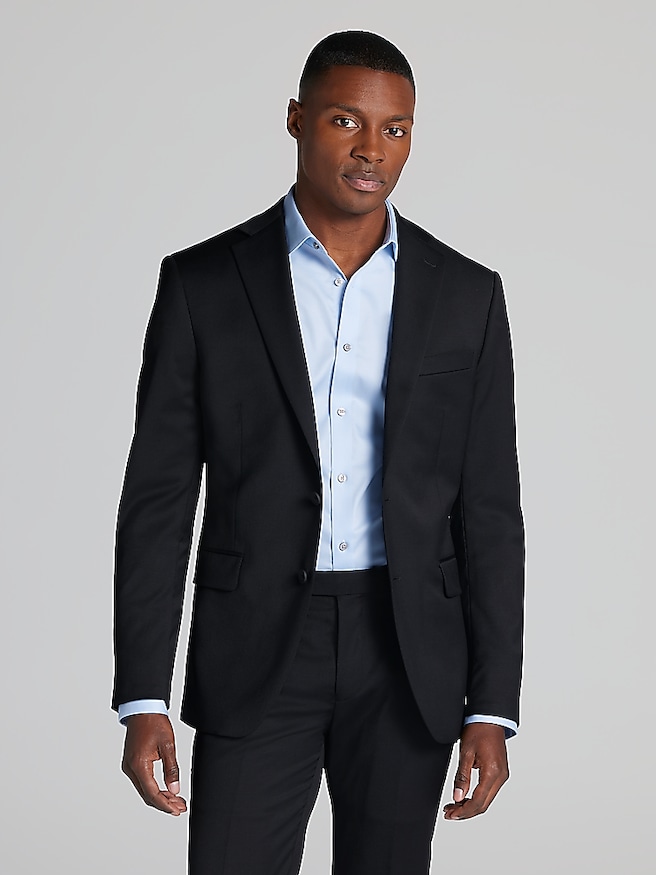
Comfortable jackets for men combine soft materials, easy movement, and a fit that feels natural throughout the day. Comfort is not limited to a plush surface: the weight of the fabric, the placement of seams, the flexibility across the shoulders, and the feel of the lining all influence how a jacket wears. A layer that feels good on a short walk should also remain comfortable through a commute, a seated lunch, or an afternoon at a desk. Fleece has a soft, brushed texture and a relaxed character that works well with everyday clothing, while sherpa offers a deeper pile and a more pronounced tactile finish. Cotton twill provides a familiar feel with enough structure for clean lines, and brushed cotton can soften that appearance without looking overly casual. Jersey and other knit constructions allow natural give, making them appealing for men who prefer clothing that moves with the body. Wool blends can bring texture and drape to a more polished jacket, although softness varies with the fibers, weave, and finishing. For anyone sensitive to coarse textures, a smooth lining or a soft collar facing can make a meaningful difference. Blends containing stretch fibers may provide additional flexibility, but stretch alone does not guarantee comfort; the garment still needs enough room through the chest, back, and upper arms. Lightweight construction can reduce the feeling of bulk, while a more substantial fabric can give a jacket shape without requiring stiff internal layers. An unstructured sport coat, a knit jacket, or a softly finished casual layer can each serve a different purpose while sharing the same essential qualities: balanced proportions, comfortable contact points, and freedom to move. The most useful choice often reflects familiar routines, whether that means sitting behind the wheel, carrying a shoulder bag, meeting friends for dinner, or moving between a relaxed workplace and plans afterward.
Fit gives comfortable jackets their everyday usefulness, especially when the jacket is worn over the shirts and other layers already in a wardrobe. Shoulder seams generally sit close to the natural shoulder rather than pulling inward or hanging well beyond it, though intentionally relaxed designs may have a dropped shape. Across the back, enough ease allows the arms to reach forward without the entire jacket riding up. That difference becomes noticeable when holding a steering wheel, reaching across a table, or carrying a bag. A close-fitting silhouette can still feel comfortable when the pattern and fabric support movement; a larger size is not automatically better if it leaves excess material bunching under the arms or collapsing through the body. Chest and waist proportions matter when the front is fastened, with the fabric resting smoothly rather than forming pronounced tension lines around buttons or a zipper. Sleeve width should accommodate a shirt without squeezing at the elbow, and cuffs should feel secure without digging into the wrist. Jacket length also changes the experience of wearing it. A shorter casual silhouette can sit neatly above the hips, while a longer tailored shape provides more coverage over a shirt and trousers. Neither should interfere with sitting comfortably. Small construction details often make the biggest difference over repeated wear: a smooth zipper guard near the chin, pocket openings positioned within easy reach, or a lining that lets sleeves slide over a shirt instead of catching. Lined jackets can feel easier to put on, while partially lined or unlined styles may have a lighter, less structured feel. Pocket placement deserves attention, too, because a phone or set of keys can distort a jacket if the pocket bags are shallow or poorly supported. Comfortable design accounts for those ordinary habits rather than looking good only when the wearer is standing still with empty pockets.
Versatility helps a comfortable jacket become a regular part of a wardrobe rather than something reserved for a narrow set of plans. A soft, clean-lined style can sit naturally over a polo with chinos, while a textured jacket adds depth to a simple T-shirt and dark denim. A relaxed sport coat can bring polish to an open-collar shirt without demanding the formality of a full suit. Neutral colors tend to work easily with familiar combinations, while subtle texture, distinctive stitching, or a different collar shape can give an otherwise straightforward outfit character. For another perspective on balancing everyday ease with distinctive style, explore Mens Cool Jackets. Lasting comfort also depends on how well a jacket holds its shape and how its materials are maintained. Even stitching, reinforced pocket openings, neatly finished seams, and smoothly operating closures are useful signs of thoughtful construction, though no single detail guarantees durability. Fabric that recovers after gentle stretching is less likely to remain stretched out at elbows or cuffs. Care requirements vary considerably, even among jackets with similar appearances, so the sewn-in care label should determine whether a garment is machine washable, hand washable, or professionally cleaned. Excessive heat can affect some fibers, stretch components, and finishes; appropriate drying helps preserve both softness and proportions. Textured surfaces may need occasional gentle attention to remove lint or surface pills, using a method suitable for the fabric. Emptying pockets before storage and allowing enough closet space can help prevent unnecessary distortion. A shaped hanger often supports a tailored jacket, while a heavier knit may keep its proportions better folded if its care guidance recommends it. As a gift for a father, partner, brother, or friend, a comfortable jacket feels especially considered when its texture, fit, and care needs match his habits. The lasting appeal comes from a simple combination: a jacket that feels good to wear, works with familiar clothes, and asks for a manageable level of upkeep.