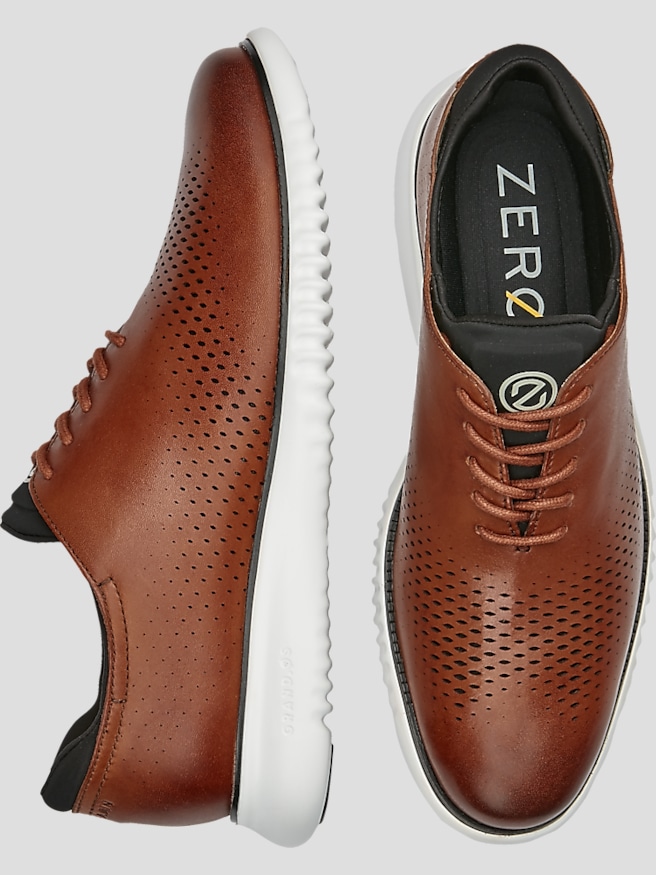
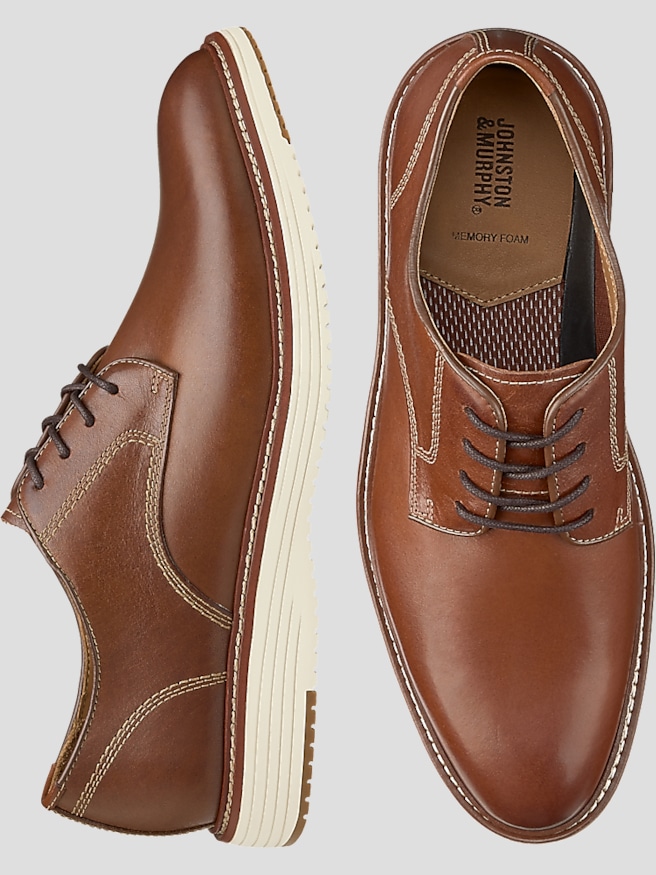
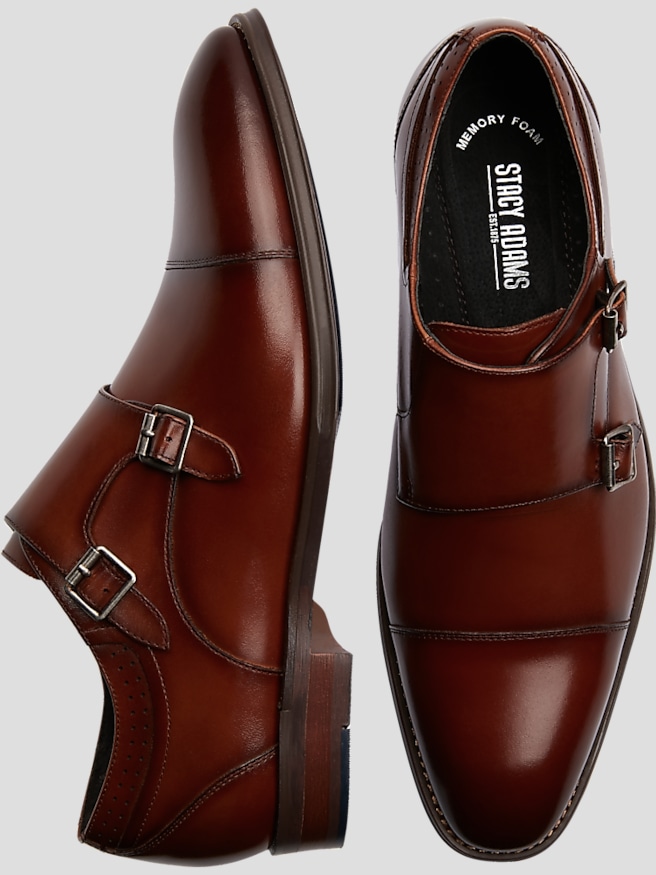
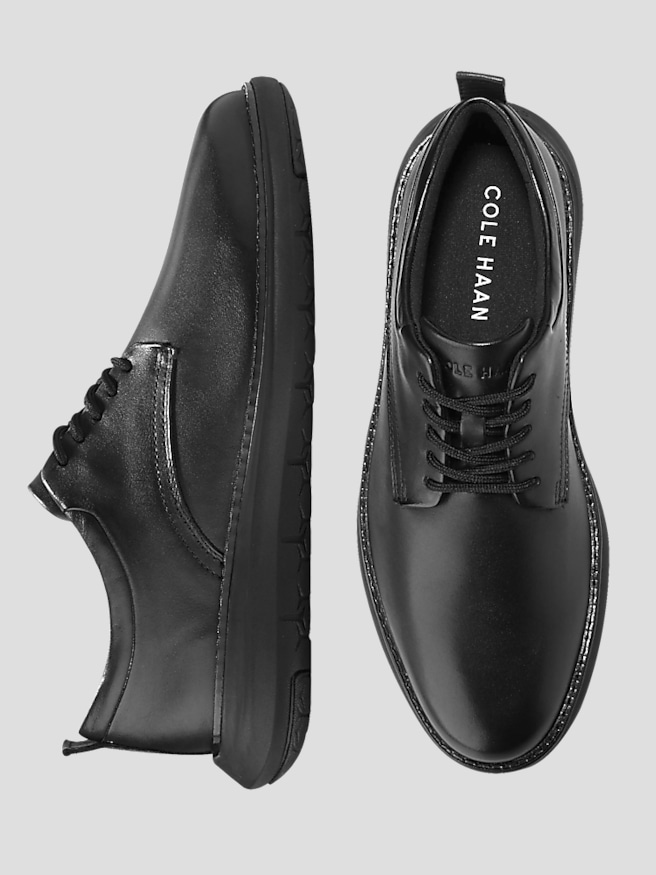
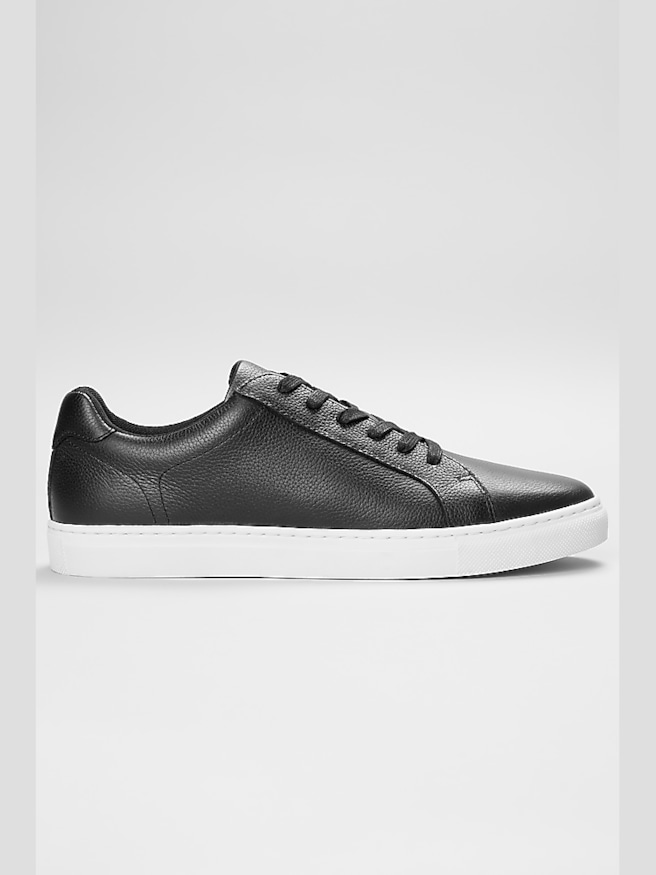
Comfortable evening shoes combine a polished appearance with a secure fit, cushioning underfoot, and enough flexibility to move naturally through a long occasion. For men dressing for dinner, a wedding reception, a theater performance, or a formal gathering, comfort comes from how the entire shoe works together rather than from softness alone. A smooth lining, a stable heel, and a toe box that leaves room for toes to rest comfortably can matter just as much as a padded footbed. The best match also depends on the setting: shoes that feel comfortable during a seated meal may need more support for an evening spent greeting guests and standing around high tables. Classic dress silhouettes bring distinct character to these occasions. An Oxford has closed lacing and a neat profile that pairs naturally with tailored trousers and suits, while a derby’s open lacing allows more adjustment over the top of the foot. Loafers offer a clean, slip-on shape for dressy dinners and relaxed celebrations, provided the heel stays secure with each step. Within the broader category of Evening Shoes, details such as restrained stitching, a refined toe shape, and a well-finished sole edge help footwear look appropriate after dark without relying on elaborate decoration. Black leather creates a crisp finish with charcoal or black tailoring, while deep brown can add warmth to navy suits and textured trousers. Highly polished or patent leather has a more ceremonial character, especially alongside a tuxedo; matte leather and suede generally feel less formal. The occasion’s dress expectations still matter, but a sophisticated shape does not have to mean a narrow, rigid shoe. For someone moving from an office celebration to dinner, or from a ceremony to several hours of conversation and dancing, the most useful balance is a dress shoe that looks intentional with the outfit and remains unobtrusive on the foot. Comfort is doing its job when attention stays on the evening rather than on a pinching seam or slipping heel.
Materials and construction influence both that first impression and how comfortable evening shoes feel several hours later. Smooth leather uppers can gradually conform to the foot, though their feel depends on thickness, finishing, and construction; a supple upper should still have enough structure to hold its shape. Suede offers a softer visual texture that complements wool trousers and less formal tailoring during the cooler months, but it needs extra consideration when sidewalks are wet. Patent leather supplies a glossy finish for formal dressing and may feel less forgiving than softer leather, making an accurate fit especially important. Inside the shoe, smooth seams and breathable linings can help limit rubbing and moisture buildup. Footbed cushioning softens the sensation of each step, while a supportive shape helps the foot feel settled rather than perched on an overly soft layer. More padding is not automatically more comfortable if it crowds the toes or raises the heel too far out of the shoe. Outsole construction matters as well. Leather soles offer a traditional dress appearance, while rubber soles or rubber contact areas can add grip and flexibility; actual traction depends on the tread, surface, and conditions. A low, broad heel creates a steady foundation without drawing attention away from a tailored silhouette. Fit brings all these elements together. Toes need room without sliding forward, the widest part of the foot should align with the widest part of the shoe, and the heel should feel held without persistent rubbing. Trying dress shoes with the socks intended for the occasion gives a more useful sense of fit than switching between thick casual socks and thin dress socks. Feet may swell over the course of a day, so a comfortable late-day fit is worth considering for evening wear. Brief indoor wear before an event can reveal pressure points and help some materials ease, but shoes that pinch sharply or compress the toes should not be expected to become comfortable through wear alone.
Comfortable dress shoes earn their place beyond a single invitation when their styling, durability, and upkeep suit the way they will be worn. A pair intended for frequent dinners and work functions benefits from sturdy stitching, a stable heel counter, and an outsole appropriate for the walk between transportation and the venue. Shoes used mainly for formal celebrations may place more emphasis on a sleek profile and a high shine, but they still need to feel secure during stairs, standing photographs, and time on the dance floor. For someone attending a reception in a large hotel, even the distance from the entrance to the ballroom can make weight and flexibility noticeable. A shoe that bends near the ball of the foot without feeling unstable is generally better suited to natural movement than one that resists every step. Care helps preserve those qualities as well as the finish. Dust and surface dirt are easier to remove before they settle into creases, and smooth leather benefits from occasional conditioning with a product suitable for its finish. Polish can restore color and luster, while suede calls for a dedicated brush and material-appropriate protection rather than conventional shoe cream. Patent finishes need their own compatible care to maintain gloss without leaving residue. After wear, allowing shoes to air out away from direct heat helps them dry gradually; shoe trees can help maintain shape and manage residual moisture. Rotating footwear between occasions also gives the interior time to dry. Worn heel edges, loose stitching, or a thinning sole deserve attention before they affect stability or cause further damage, and repair possibilities depend on how the shoe was made. As a gift for a spouse, partner, graduate, or wedding attendant, evening footwear is most thoughtful when size, width, preferred silhouette, and the recipient’s usual occasions are known. The lasting appeal is practical as much as visual: a polished finish for memorable evenings, with enough room, support, and ease to enjoy them.