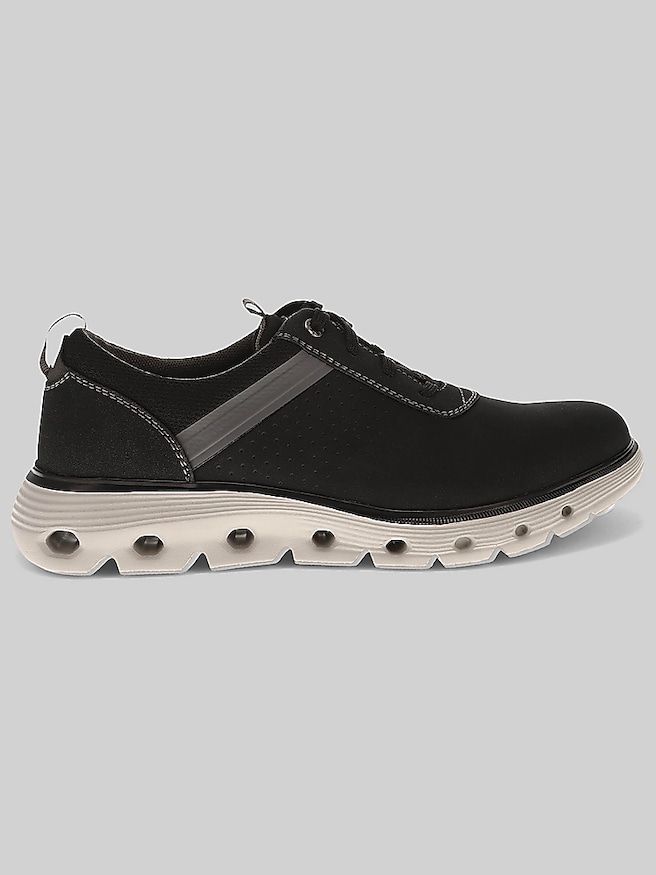
Comfortable dress sneakers combine the clean lines of dress shoes with the cushioning and flexibility associated with casual sneakers. Their appeal is practical: a streamlined upper looks appropriate with tailored clothing, while a supportive footbed and a flexible sole can make a full day on foot more comfortable. They suit settings where polished appearance matters but traditional leather-soled footwear is not required, from business-casual offices to dinner reservations and relaxed celebrations. The most versatile silhouettes tend to have a low profile, restrained stitching, tonal laces, and minimal decoration. Smooth leather gives these shoes a crisp finish that works well beneath chinos or tailored trousers, while suede adds a softer texture alongside corduroy, brushed cotton, and knitwear during the cooler months. Knit and textile uppers can offer a lighter feel and better airflow, though their more casual appearance may not suit every workplace. A dark sole generally creates a quieter transition between the upper and the ground; a contrasting light sole makes the sneaker character more noticeable. Neither approach changes the basic purpose of the category: bringing an easygoing element to clothing that still looks considered. Comfortable dress sneakers are particularly useful for someone whose schedule includes a commute, meetings across a large office, and an evening out without an opportunity to change shoes. They can also make sense for travel days that end at a restaurant rather than a hotel room. Their comfort should not be assumed to match running shoes, however, and they are not substitutes for footwear designed for sports or demanding outdoor activity. Dress codes still matter, too. A neat sneaker may fit naturally into a relaxed office or an informal wedding reception, but a formal invitation can call for traditional dress shoes. Within the right setting, the strongest combinations balance the shoe’s casual sole with tidy clothing: trousers with a clean hem, a well-fitting shirt, and a jacket that does not feel overly ceremonial.
Materials and construction influence how dress sneakers feel long after the first few steps. Leather uppers can soften with wear and develop character, but a shoe should not need a painful break-in period to become wearable. Suede has a supple feel and a textured surface that is less glossy than smooth leather, though it needs extra consideration around moisture and stains. Textile panels may encourage airflow, while the lining also affects how warm or dry the interior feels. Cushioning under the heel and forefoot can help soften each step, but softness alone does not determine comfort. A secure heel, sufficient room across the toes, and support that suits the shape of the foot are just as important. Very soft foam may feel inviting at first yet provide less stability than a slightly firmer footbed for some wearers. Removable insoles can be useful for those who use compatible inserts, provided the shoe has enough interior space and the heel remains secure. Fit is best assessed with the socks intended for everyday wear and, when possible, later in the day when feet may be slightly fuller. Toes should have room to move without pressing into the front or sides, and the heel should not lift excessively while walking. Laces allow small adjustments across the instep, but they cannot correct a shoe that is too short or too narrow. The flex point should feel natural beneath the forefoot rather than forcing the foot to bend in an awkward place. For someone standing through a presentation or walking several blocks between appointments, these details often matter more than an especially plush first impression. Outsole design deserves attention as well: rubber contact areas and textured tread can contribute to grip, although traction varies with the surface and conditions. Lightweight foam can reduce the heavy feeling of a shoe, while sturdier outsole components may help resist abrasion. No single material guarantees lasting comfort or durability; the overall construction, fit, walking surface, and frequency of wear all play a part.
Color and proportion help comfortable dress sneakers earn a regular place in a wardrobe. Black offers a discreet foundation for charcoal trousers, dark denim, and monochromatic outfits, particularly when the upper, laces, and sole have a similar tone. For that understated direction, Black Comfortable Sneakers pair naturally with clothing that moves between office hours and casual evening plans. Brown and tan shades bring warmth to navy and earth tones, while lighter neutrals create more contrast and usually read as more casual. A slim, simple sneaker often sits neatly beneath tapered trousers; a fuller silhouette may look more balanced with a straight leg. Hems that fall cleanly without pooling keep the overall effect intentional. Socks also influence comfort and appearance. A smooth pair with moisture-managing properties can reduce the clammy feeling of a long commute, and enough coverage around the heel helps limit direct rubbing against the lining. During the cooler months, thicker socks require enough space inside the shoe to avoid crowding the toes. Regular care helps preserve both the finish and the structure. Surface dirt on smooth leather can usually be removed with a soft cloth, followed by care products appropriate for that particular finish. Suede generally benefits from a dedicated brush used gently on dry material. Textile cleaning methods vary, so manufacturer instructions take priority over a one-method-fits-all approach. Wet shoes should dry naturally away from direct heat, and alternating pairs gives interiors more time to air out. Protective treatments may help with light moisture when suitable for the material, but they do not turn everyday sneakers into winter boots. Worn tread, flattened cushioning, or an upper that no longer holds the foot securely can signal that a pair is past its useful everyday life. As a gift, dress sneakers can suit someone starting an office role, traveling frequently, or building a more polished casual wardrobe, especially when the recipient’s size, width, and preferred style are already known. A successful pair feels comfortable in ordinary moments: waiting for a train, walking to lunch, or staying on foot through a conversation after dinner.