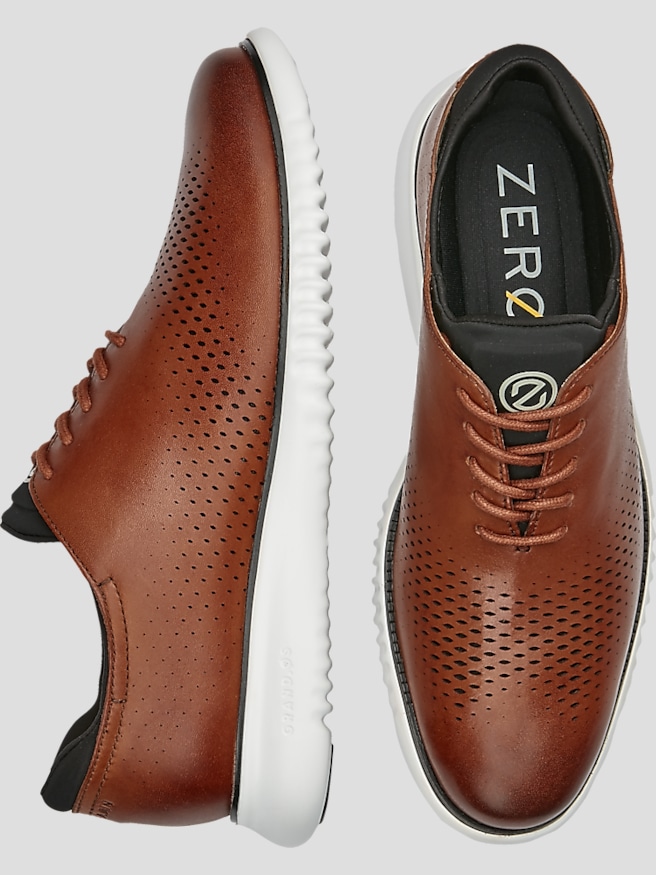
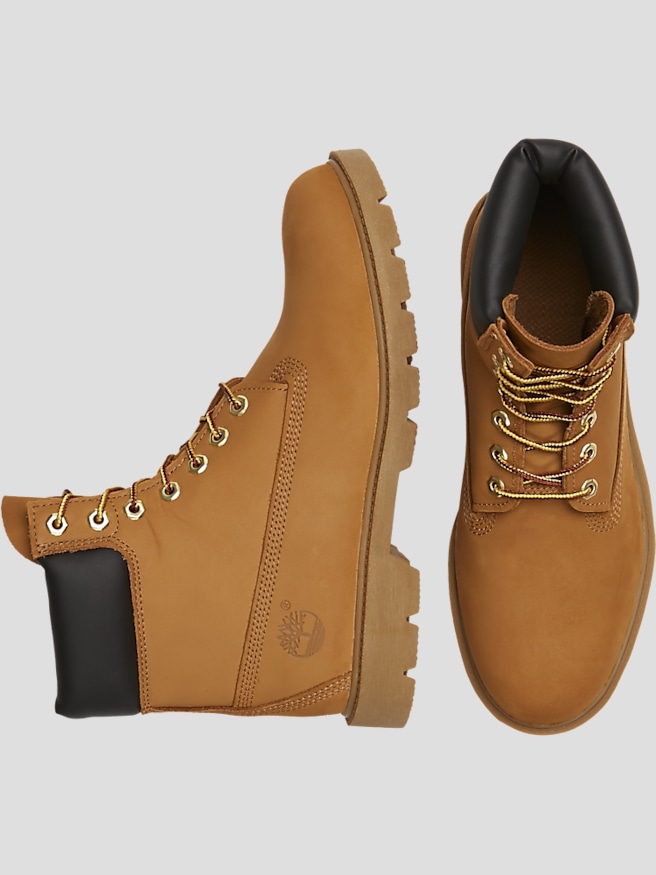
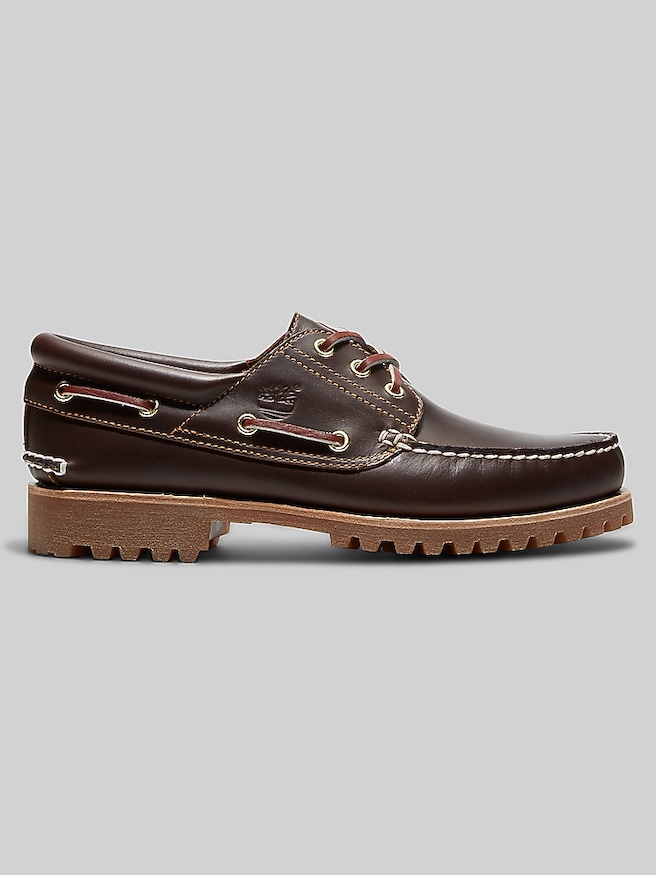
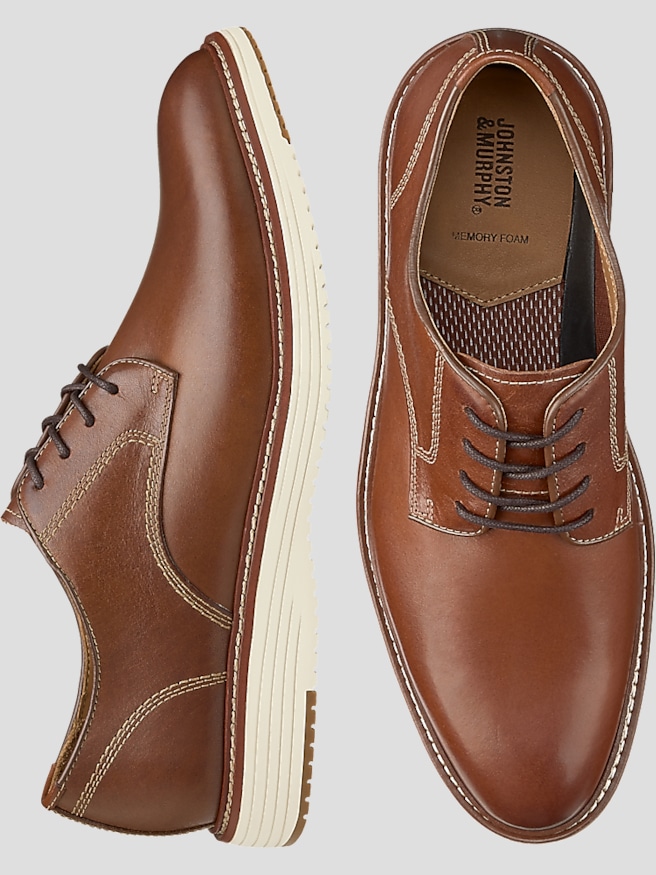
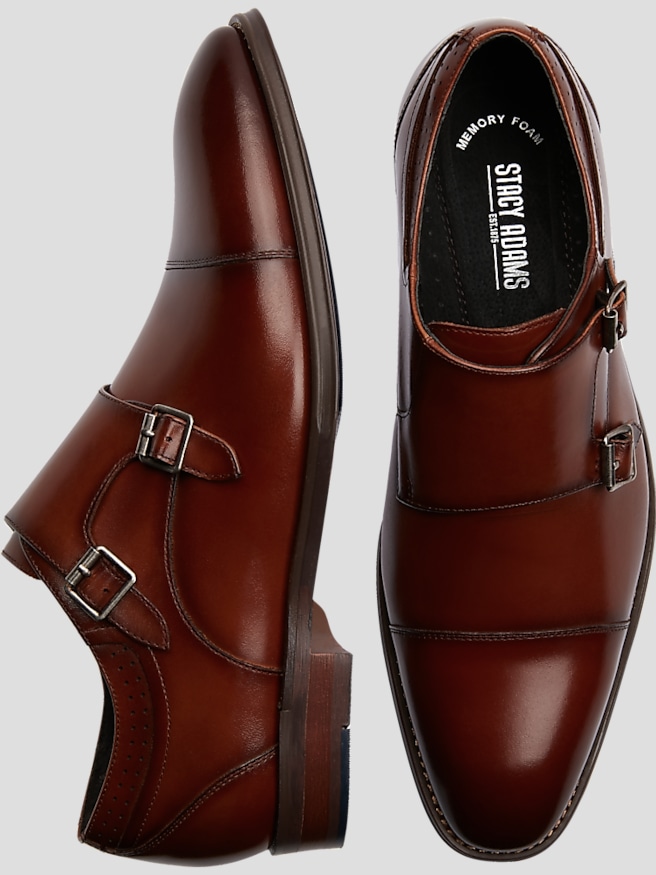
Comfortable dress shoes for a wedding combine a polished appearance with cushioning, a secure fit, and enough flexibility to move naturally through a full celebration. For a groom, groomsman, parent, or guest, that balance matters from the first photographs to the last dance. A wedding can involve standing through a ceremony, walking between venues, greeting relatives, and spending hours on a reception floor, so comfort depends on more than a soft lining. A well-shaped footbed, room through the forefoot, and a heel that stays in place all contribute to shoes that feel as considered as the rest of the outfit. Oxfords offer a clean, close-laced profile that works especially well with tailored suits and formal attire. Derby shoes have open lacing that can allow more adjustment across the instep, while loafers create a streamlined finish for celebrations where the dress code permits a less formal approach. The broader range of Men's Dress Shoes For Wedding reflects how silhouette, finish, and construction shape the overall look. Smooth black leather is a versatile choice for formal settings, and highly polished or patent finishes can complement a tuxedo when appropriate to the dress code. Brown leather pairs naturally with many navy and gray suits, with darker shades generally presenting a more formal impression than lighter ones. Subtle stitching and restrained detailing keep attention on the complete outfit rather than making the shoes compete with it. Shape matters, too: a rounded or gently tapered toe can look refined without requiring the toes to crowd together. The most successful pairing respects both the occasion and the wearer’s usual sense of style. Someone accustomed to lace-up shoes may appreciate their adjustable hold, while a frequent loafer wearer may prefer that familiar shape when it fits securely. Matching every member of a wedding party does not have to mean choosing identical fits; a consistent color and level of formality can still leave room for individual comfort needs.
Materials and construction influence how comfortable wedding dress shoes feel after several hours of wear. Quality leather uppers can gradually soften and adapt to the foot, although no amount of softening can reliably correct shoes that are too short or narrow. Supple leather around the opening helps reduce stiffness against the ankle, and smooth interior seams are especially valuable where the lining touches the heel. Leather linings can help manage moisture, while textile linings vary in breathability and softness according to their construction. Underfoot, cushioning can soften repeated steps, but thicker padding is not automatically better: a stable footbed that supports the foot without crowding the shoe may feel more comfortable than a deep, overly soft layer. Arch contours should feel supportive rather than like a hard ridge pressing upward. Outsole materials also make a practical difference. Rubber can provide useful traction and flexibility, while leather soles have a traditional appearance and may feel firmer initially. Neither material alone guarantees comfort or grip, particularly on a smooth dance floor. A low-profile rubber insert or textured contact surface may add traction without changing the formal outline. Fit brings all of these features together. There should be space for the toes to lie naturally, a close but comfortable hold around the midfoot, and minimal heel movement while walking. Laces should secure the shoe without needing to be pulled so tightly that they create pressure across the top of the foot. Width is just as important as length; sizing up to escape pinching can leave excess space at the heel and make walking less stable. Trying shoes with the dress socks intended for the celebration gives a more useful sense of fit than trying them with thick athletic socks. Anyone who uses an orthotic may also need sufficient interior depth and a removable footbed. A short walk, a few turns, and several minutes of standing can reveal pressure points that are easy to miss while seated.
Wedding footwear also needs to suit the setting and the plans surrounding the ceremony. A guest moving from a paved courtyard to an indoor reception may value a flexible sole and dependable heel contact, while someone standing for extended portraits may place greater emphasis on balanced support. For a groom or wedding-party member, wearing the shoes for brief periods indoors before the event can help soften initial stiffness and reveal rubbing early. That familiarization should feel progressively easier, not require enduring pain; persistent pressure is a fit problem rather than a necessary part of preparing dress shoes. Socks affect the experience as well. A smooth pair with a secure cuff can limit bunching inside the shoe, and a thickness suited to the fit helps preserve the space around the toes. Beyond the celebration, understated dress shoes can remain useful for other weddings, formal dinners, milestone gatherings, and professional occasions, making durability worth considering alongside appearance. Even stitching, firmly attached soles, and neatly finished interiors are useful construction details to examine. Some stitched constructions may allow resoling, though repair options depend on the individual shoe and should not be assumed from appearance alone. Routine care helps preserve both structure and finish: dust and surface dirt should be removed with a soft brush or cloth, and smooth leather benefits from an appropriate conditioner used according to its directions. Polish can restore color and luster where suitable, while patent leather and suede require care methods intended for those finishes. Allowing shoes to air out after wear and storing them with properly sized shoe trees can help maintain their shape. Direct heat can damage leather and adhesives, so natural drying is preferable when moisture needs to dissipate. Dress shoes can also make a thoughtful gift for a groom or another participant in the celebration, particularly when the recipient’s measurements and fit preferences are known. Whether chosen for one important day or many formal occasions, a comfortable pair should deliver a composed appearance without making every step feel like a compromise.