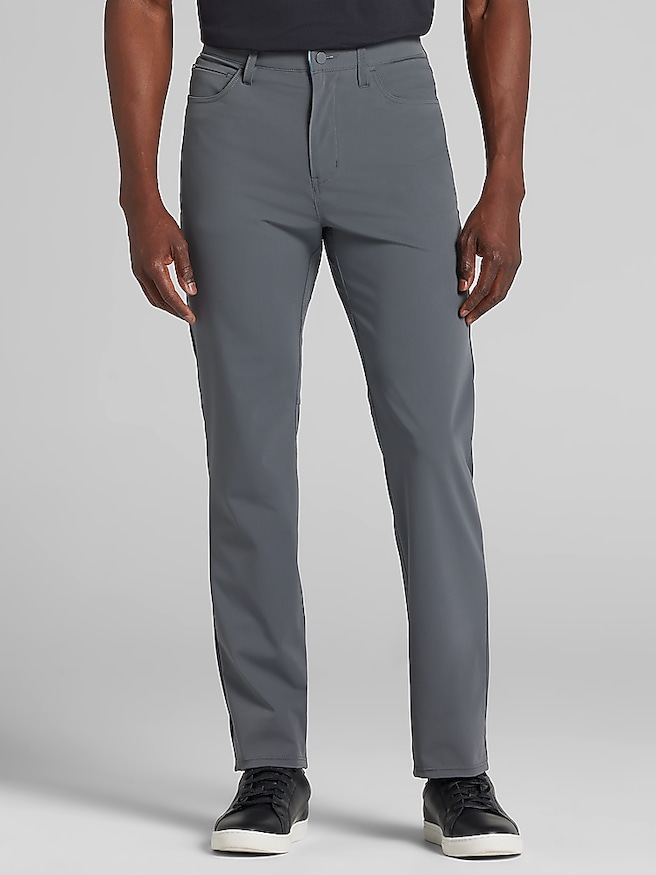
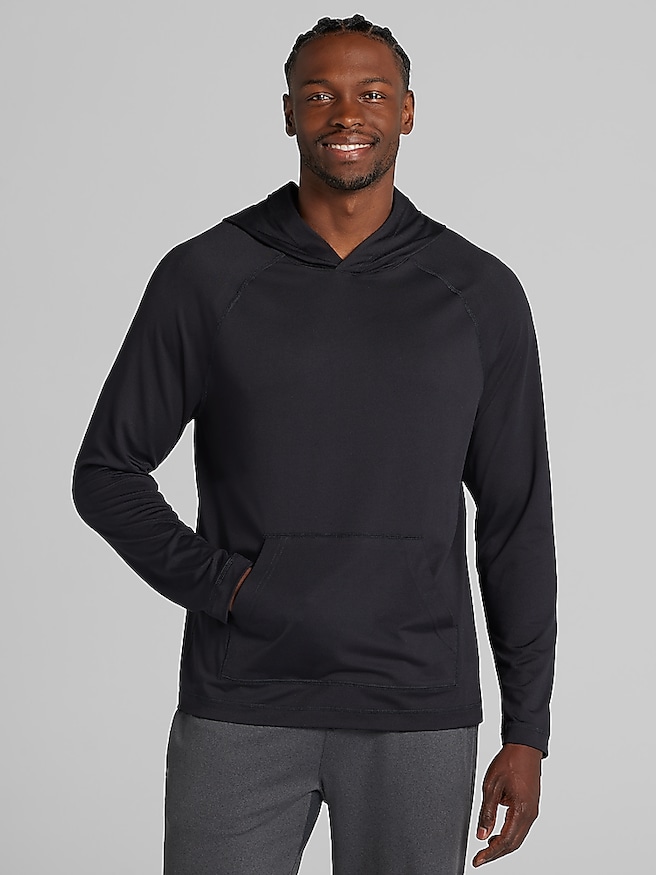
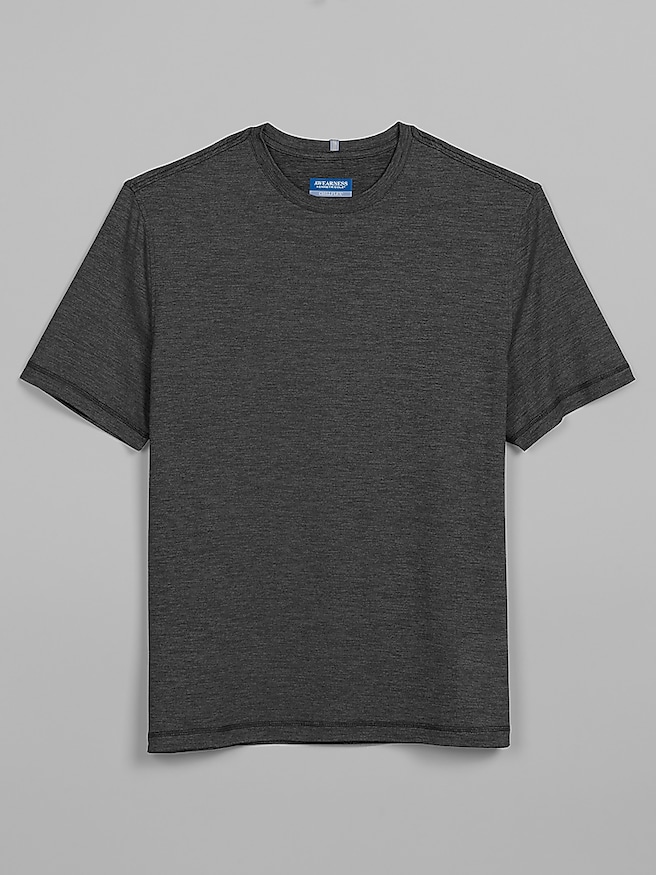
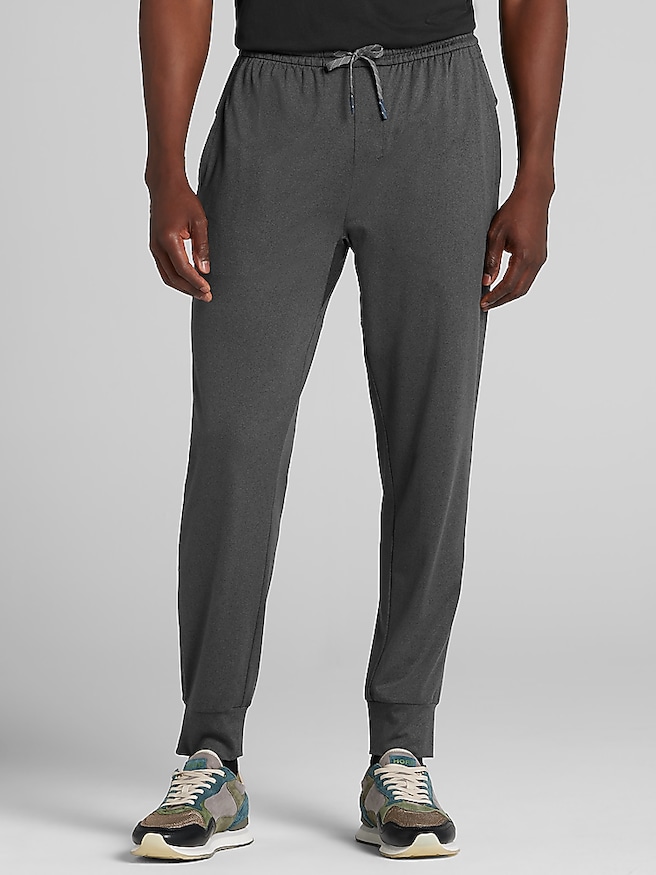
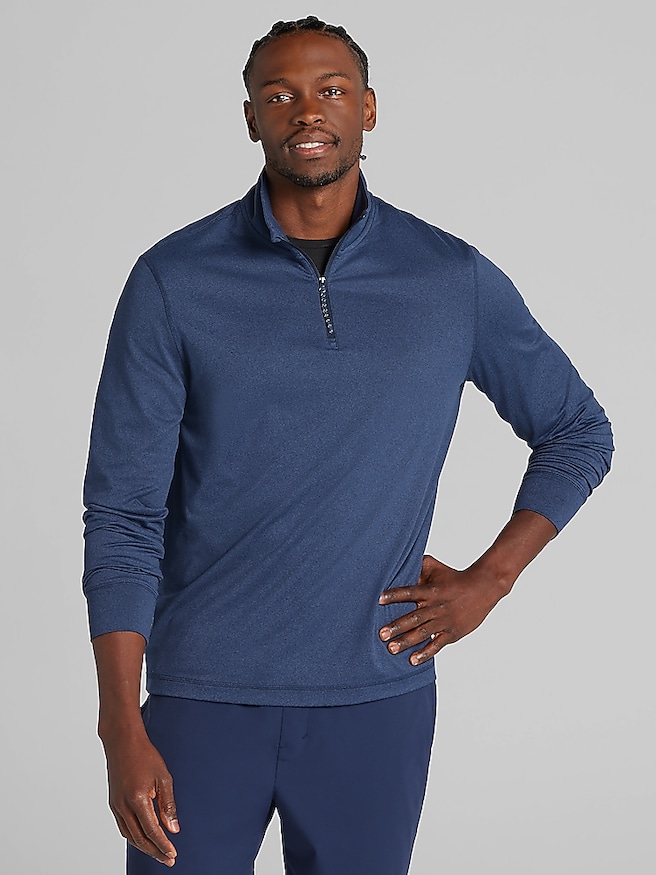
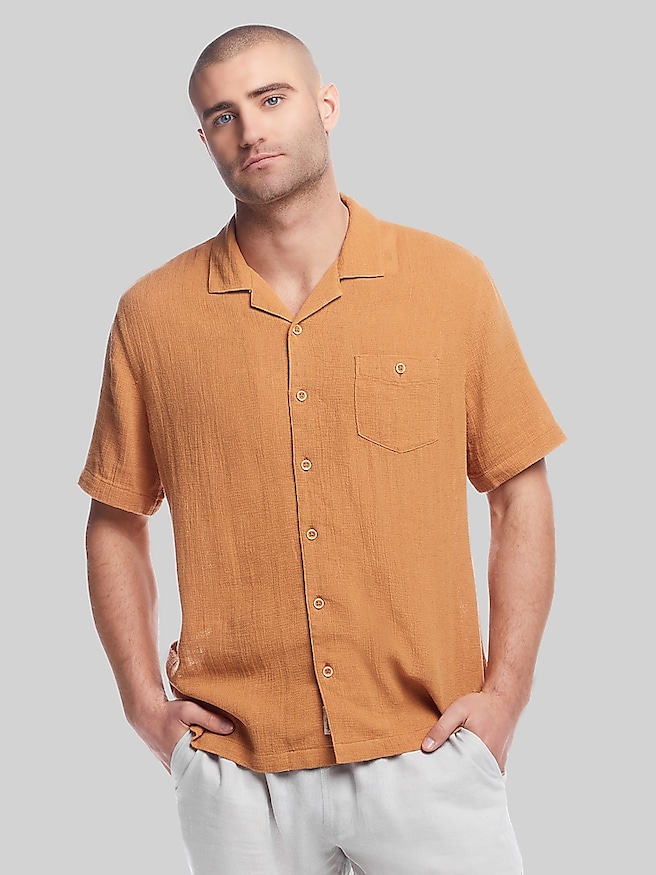
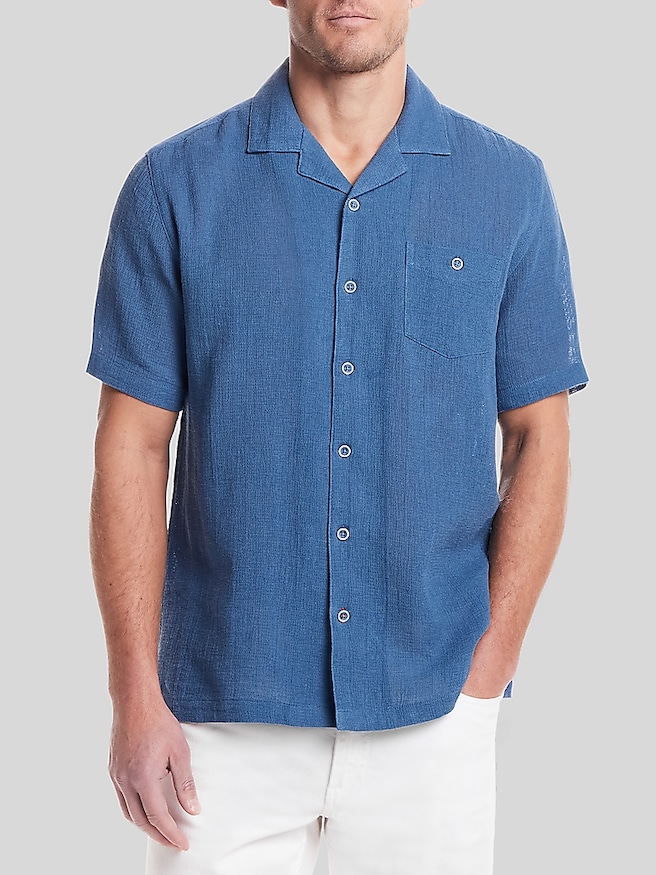
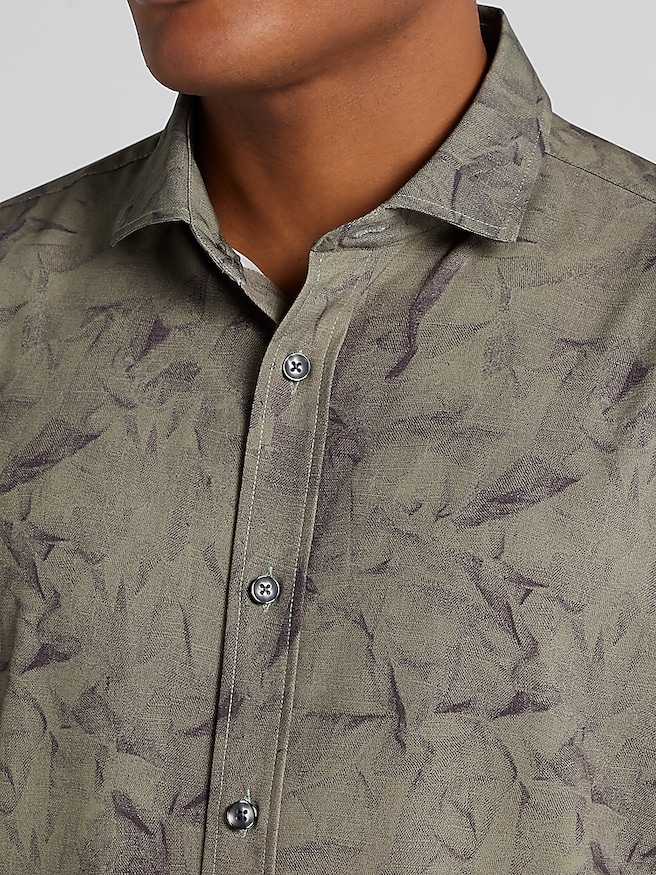
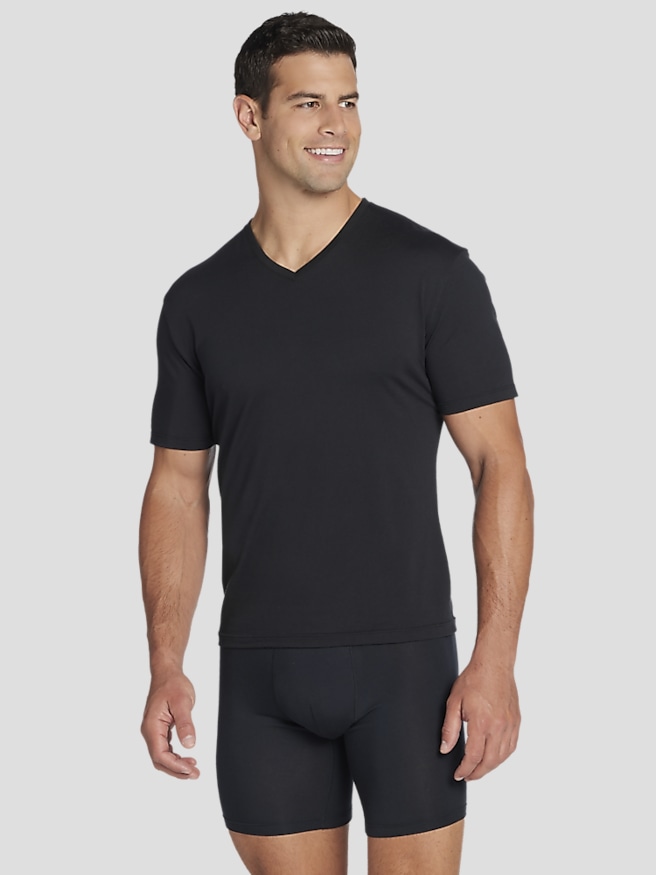
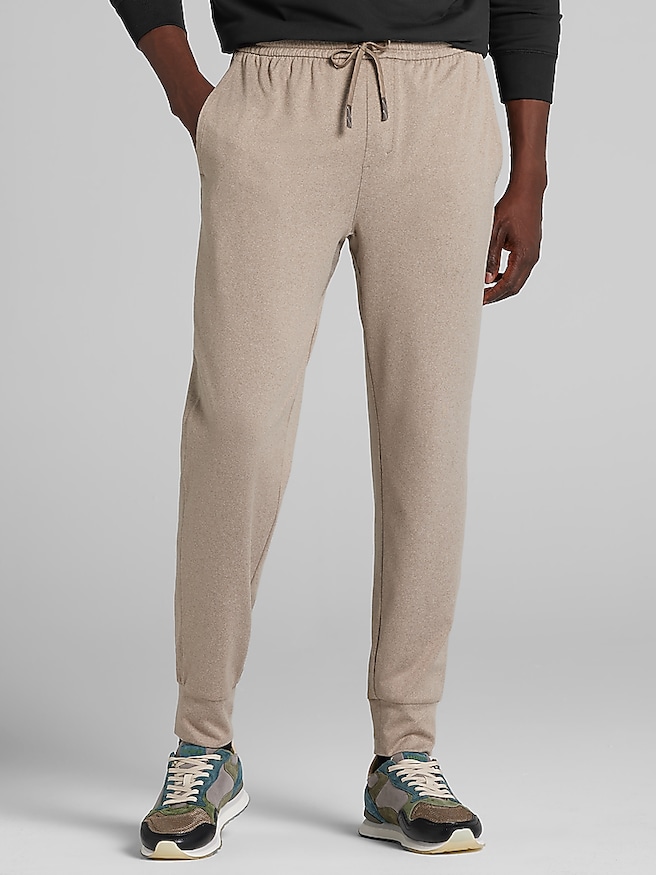
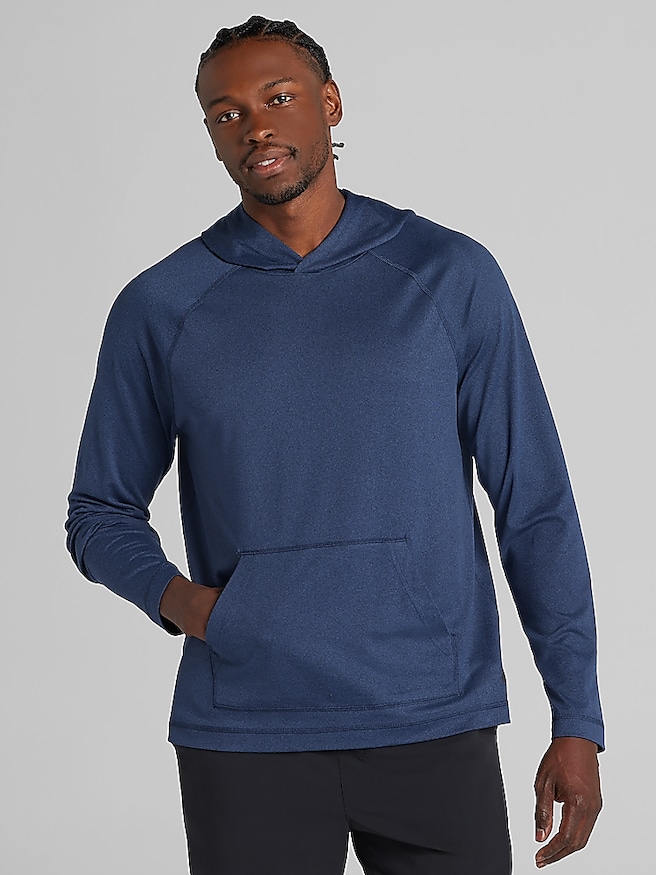
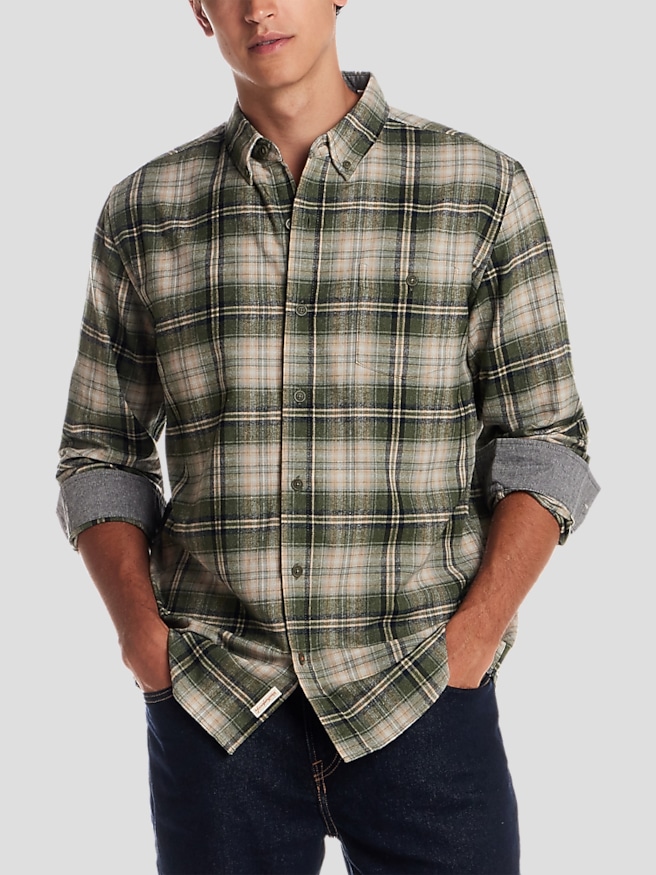
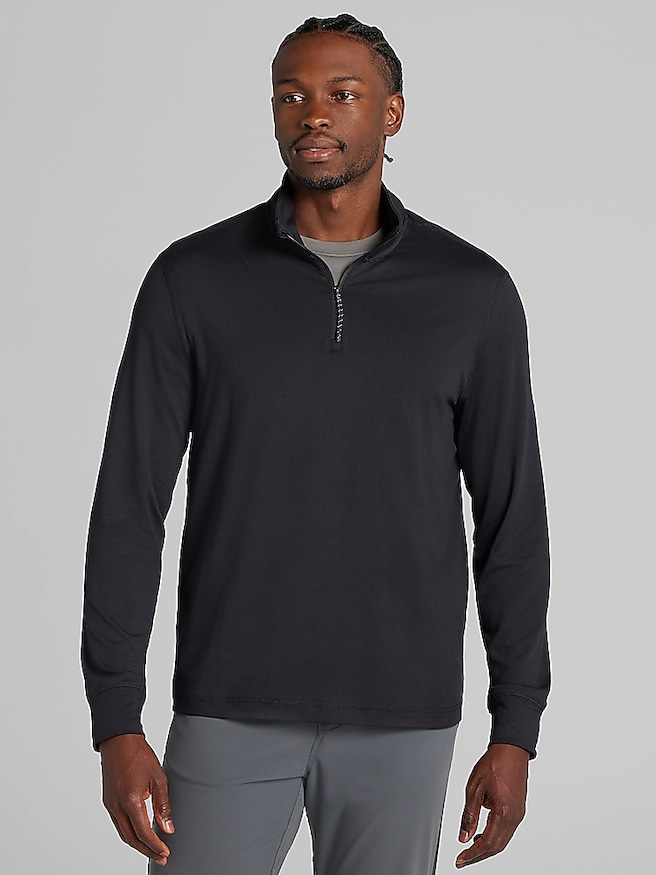
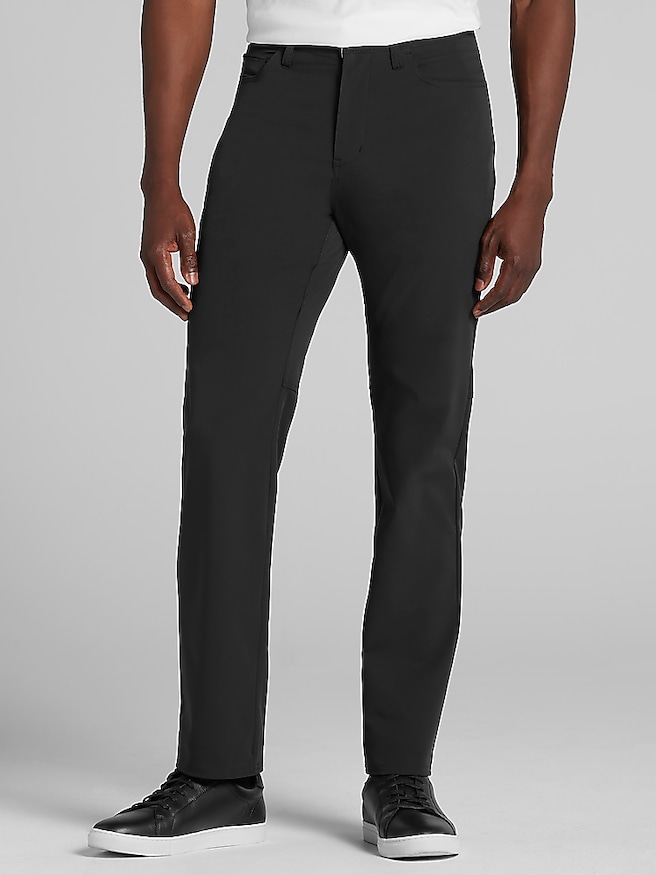
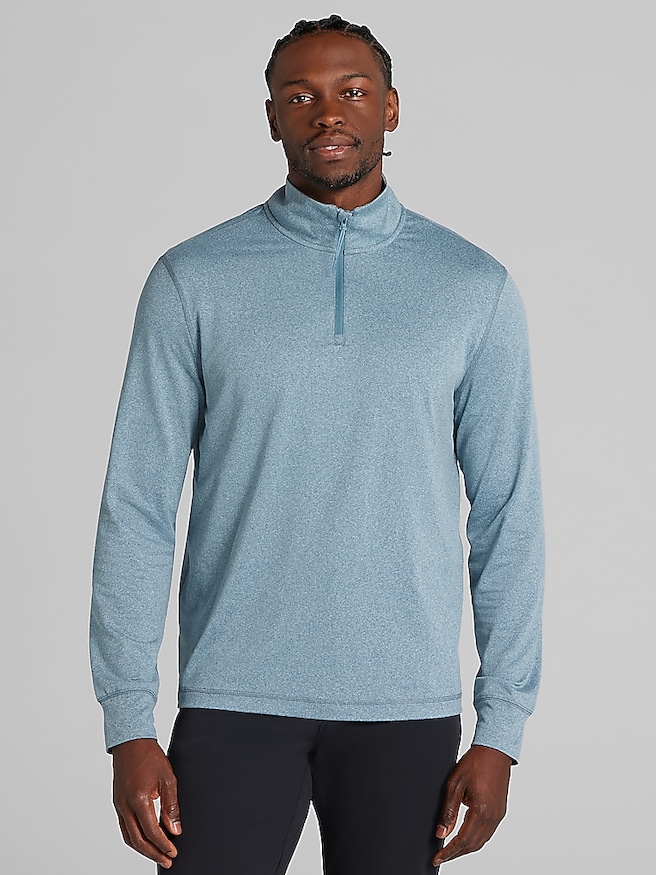
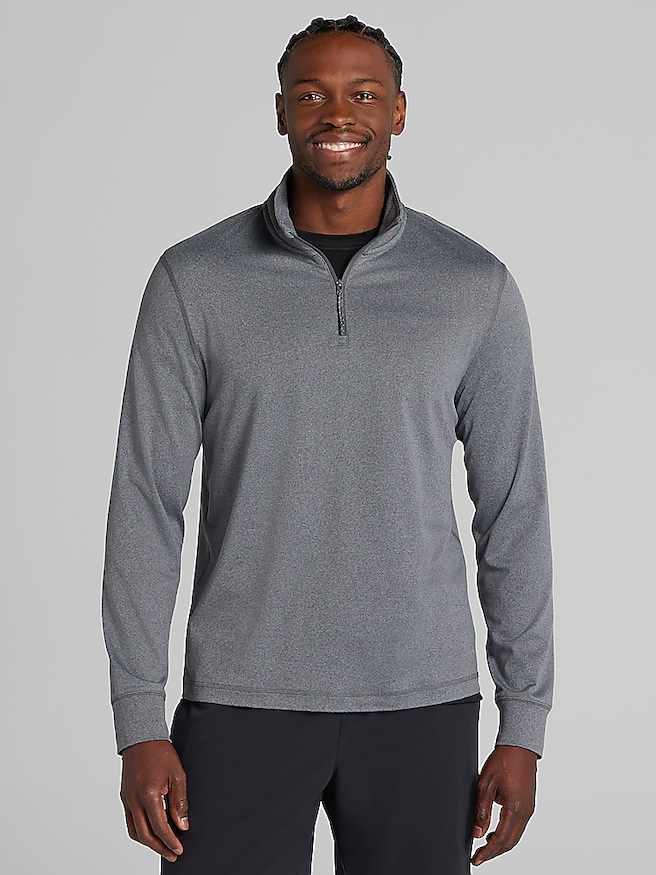
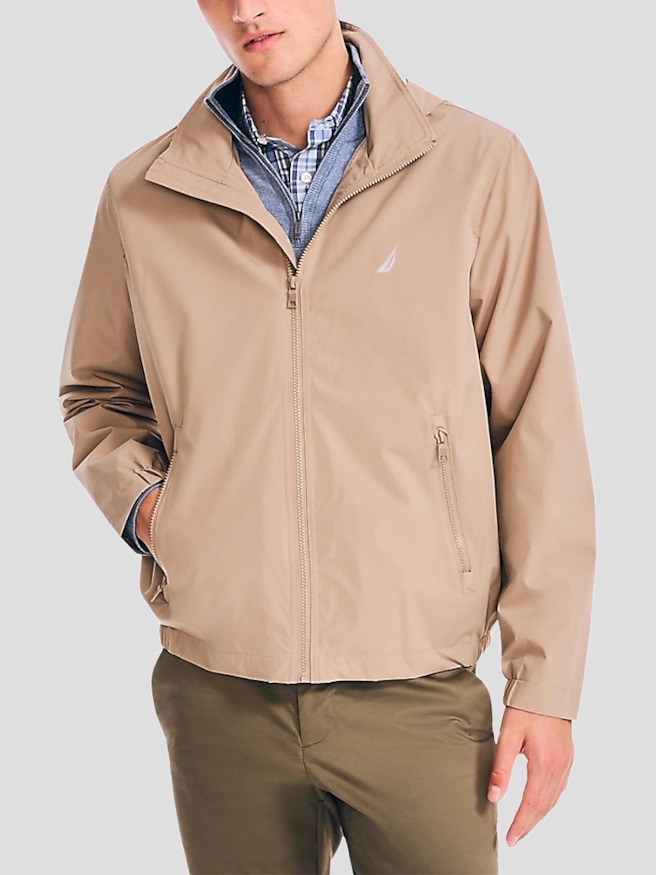
When it comes to comfortable clothing for outdoor activities, the right gear can make all the difference between a memorable day outside and an uncomfortable experience. As spring approaches and the days grow longer, more men are heading outdoors—whether it's for hiking along forested trails, cycling through city parks, or simply enjoying a weekend barbecue with friends. The key to enjoying these moments is choosing clothing that balances comfort, performance, and protection from the elements. Modern outdoor apparel is designed with advanced fabrics like moisture-wicking polyester, flexible nylon, and soft merino wool, all of which help regulate body temperature and keep sweat at bay. These materials are not only lightweight and breathable but also durable enough to withstand rugged environments. For those who spend hours outside, selecting tops with UPF protection can provide peace of mind under the sun, while reinforced hiking pants or shorts offer both freedom of movement and resistance to wear and tear. Layering remains the cornerstone of outdoor comfort, especially in early spring when temperatures can fluctuate dramatically—from a brisk morning breeze to a warm afternoon sun. A moisture-wicking base layer, paired with a light fleece or windproof shell, allows for easy adaptation to changing weather. For anyone who’s experienced a sudden downpour or a chilly gust on an otherwise sunny day, having the right outerwear can be the difference between powering through and calling it quits early.
Comfortable outdoor clothing isn’t just for seasoned adventurers or athletes. These versatile pieces are essential for anyone who enjoys spending time outside, whether it’s a casual stroll around the neighborhood, a fishing trip at dawn, or an impromptu family picnic. They also make thoughtful gifts for men who appreciate both style and practicality—think of a father who loves to garden, a brother who’s always on the move, or a friend who’s gearing up for a camping trip. The best outdoor apparel transitions seamlessly from trail to town, blending technical features with everyday style. Look for pieces that can be dressed up or down, such as classic zip-up jackets, performance tees, or water-resistant pants that look just as sharp at a café as they do on a mountain path. Small details like articulated knees, gusseted crotches, and hidden zip pockets add functionality without sacrificing comfort or aesthetics. It’s these thoughtful touches that make outdoor clothing such a reliable choice for both active pursuits and relaxed weekends. For those interested in exploring a curated selection of these essentials, visit our collection of Outdoor Clothes For Men to find the right balance of comfort, performance, and style for every adventure. As you prepare for the season ahead, investing in quality outdoor clothing ensures you’re ready for whatever the day brings—rain or shine, trail or town, solo or with company.