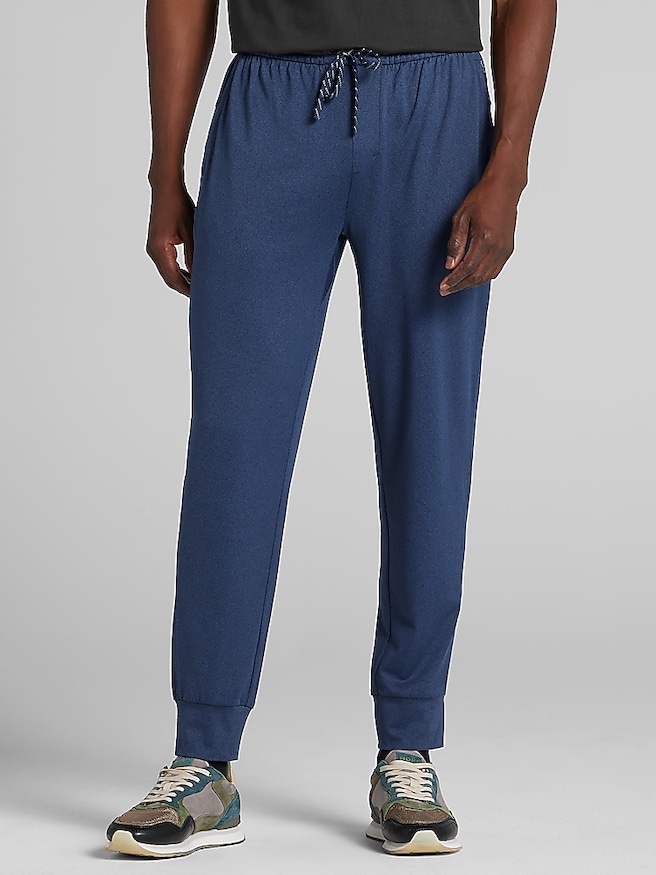
Comfortable clothing for dads combines soft, breathable fabrics, room to move, and practical details that make getting dressed feel straightforward. The best fit is not necessarily the loosest one: clothing should follow the body without pulling across the shoulders, gripping the waist, or restricting movement through the hips and knees. That balance matters during ordinary moments, from buckling a child into a car seat to sitting through a meeting or carrying groceries up the stairs. Cotton is a familiar choice for its soft feel and breathability, while cotton blends can add stretch, improve shape retention, or simplify care, depending on their construction. Fabrics containing elastane can provide useful give when reaching or bending, although the percentage of stretch fiber alone does not determine comfort. The weave, fabric weight, seams, and cut all contribute to how clothing feels throughout the day. Knits often offer natural flexibility, while woven fabrics can provide a more structured appearance without feeling stiff when the fit is right. A smooth interior and unobtrusive seams are especially welcome against the skin; substantial fabric can also help clothing drape cleanly rather than cling. For dads who spend much of the day seated, a waistband that remains comfortable at the desk is just as important as a polished appearance when standing. Shoulder seams should sit near the shoulder’s edge, sleeves should allow an easy bend at the elbow, and shirts should have enough room through the chest to avoid straining between buttons. Below the waist, adequate room through the seat and thighs supports natural movement without requiring excess fabric everywhere else. Length matters, too: a shirt intended to stay tucked needs enough coverage to remain secure when reaching, while an untucked style looks more balanced when its hem does not overwhelm the body. Comfortable clothing feels considered rather than oversized, giving dads an easy range of motion and a neat outline that works across everyday responsibilities. Those qualities make comfort a matter of construction and proportion, not simply a softer fabric or a larger size.
Everyday versatility comes from clothing that suits the way a dad actually spends his time. A routine that moves between a home office, school pickup, and a casual dinner calls for fabrics and shapes that look composed without requiring constant adjustment. Soft collared shirts, flexible trousers, and uncomplicated knit layers can bridge those settings, with the level of structure shaped by personal preference and workplace expectations. A dad who favors a crisp appearance may appreciate a smooth woven fabric with a little stretch; someone who prefers a more relaxed feel may gravitate toward a supple knit with enough body to hold its shape. Neither approach needs to sacrifice comfort. The useful distinction is how the clothing behaves in motion: collars should rest comfortably at the neck, armholes should allow reaching, and pockets should remain accessible without adding distracting bulk. A phone or set of keys can change how fabric hangs, so pocket placement and depth are practical considerations rather than minor extras. Layers also work best when their proportions cooperate. A shirt that bunches beneath another layer can feel restrictive even when both pieces fit well separately, while a smooth base and sufficient room through the upper arms make the combination easier to wear. Subtle texture and versatile colors help comfortable clothing look intentional, whether the occasion is a family lunch, an informal office gathering, or an evening at a restaurant. Navy, gray, olive, and neutral shades can be easy to combine, though the most useful palette is one that fits the wearer’s existing wardrobe. Durability deserves equal attention in clothes expected to handle frequent wear. Secure stitching, reinforced stress points, and fabric that returns to shape after movement can support a dependable daily rotation. Knees that quickly bag out, twisting seams, or a collar that loses its shape can make otherwise soft clothing less satisfying over time. Comfort has lasting value when ease of movement and a tidy appearance hold up together.
Easy care is another important part of comfortable clothing for dads, especially when laundry needs to fit around work, family commitments, and the rest of daily life. Fabric composition offers clues, but the care label gives the most useful direction for washing, drying, and pressing. A cotton blend is not automatically wrinkle resistant, and a performance fabric is not automatically suited to every drying method. Washing according to the label, closing fasteners when appropriate, and avoiding unnecessary dryer exposure can help preserve the finish and fit. Some knits keep their shape better when folded rather than hung, while structured shirts may benefit from prompt removal after drying and a suitable hanger. Pilling, shrinkage, and fading depend on both fabric construction and care, making realistic maintenance expectations part of a good match. Clothing that requires more attention than its wearer wants to give it may spend more time waiting for care than being worn. For gifting, that same practical mindset helps turn a thoughtful gesture into something genuinely useful. A dad’s favorite fabrics, usual fit, and daily habits often say more than a size label alone. Someone who repeatedly reaches for soft, easy-fitting clothing may value a similar feel in a more polished silhouette, while someone accustomed to structured workwear may appreciate flexibility that does not change his familiar look. The Clothing Gifts For Dad page offers a related place to explore clothing with those preferences in mind. Birthdays and personal milestones can be meaningful occasions for a wardrobe gift, but the strongest choice reflects the recipient rather than the occasion alone. Familiar colors, manageable care requirements, and a fit suited to his proportions help clothing become part of an established routine. Whether worn for a full day away from home or a quiet evening with family, comfortable clothing earns its place by feeling good, moving naturally, and remaining easy to live with. That everyday usefulness is what makes comfort more than an initial impression.