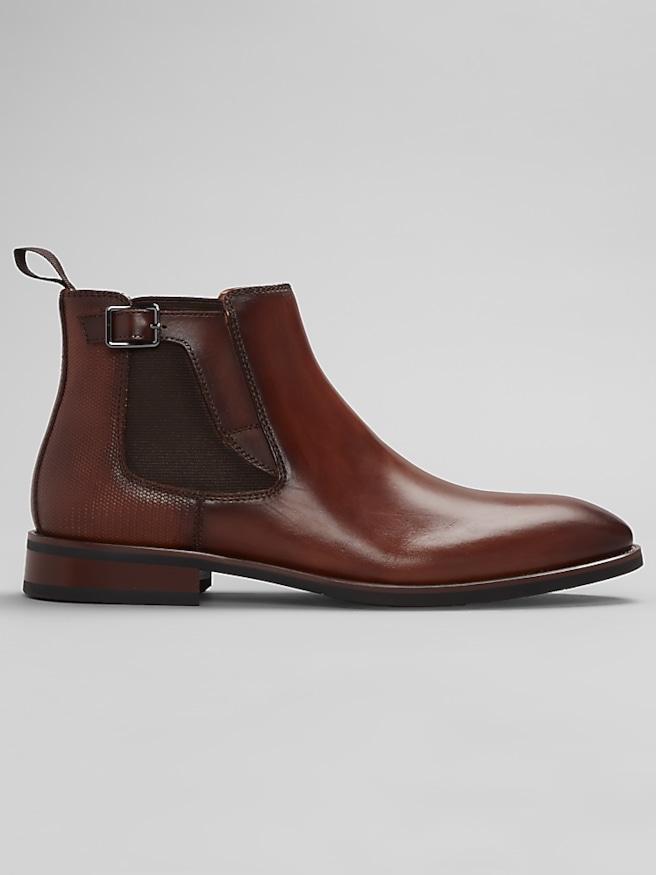
Comfortable brown Chelsea boots bring together a clean, ankle-high silhouette and the ease of a pull-on design, making them a useful choice for outfits that fall between sneakers and traditional dress shoes. Their defining features are elastic side panels, a close-fitting shaft, and a smooth upper without laces; many also have a back tab to help with entry. Brown adds depth without demanding much attention, whether the shade is a rich chocolate, a reddish chestnut, or a lighter tobacco tone. The strongest foundation for comfort is a secure fit through the heel and instep, enough space for the toes to spread naturally, and cushioning balanced with a stable sole. Softness alone does not tell the whole story: a boot that feels plush at first can still become tiring if the foot slides forward or the sole provides little support. Smooth leather creates a polished surface that works naturally with tailored trousers, while suede has a softly textured finish that complements denim and chinos. Full-grain leather retains the hide’s natural surface and can develop a distinctive patina with regular wear and proper care, although leather quality, thickness, and finishing all influence how supple it feels. Suede can feel flexible, but its comfort also depends on the lining, seams, and overall construction. Inside the boot, a smooth lining helps limit friction, especially around the heel and ankle. Underfoot, resilient cushioning can soften each step, while a shaped footbed may provide a more supported feel than a flat insert. These details matter during ordinary routines: walking from a parking garage to the office, standing through a presentation, or heading straight from work to dinner. For men who prefer a streamlined wardrobe, brown Chelsea boots offer a recognizable shape that can connect those settings without requiring an outfit built around the footwear.
Fit has a particularly important role in comfortable brown Chelsea boots because there are no laces to adjust the hold across the top of the foot. The elastic panels should allow entry and then recover their shape, helping the upper sit securely without squeezing the instep. A little heel movement may occur in a new pair, but repeated lifting, rubbing, or a sliding sensation can signal that the shape or size is not suitable. Toes should not press against the front, and the widest part of the foot should sit comfortably within the widest part of the boot. A rounded or softly almond-shaped toe often offers an appealing balance of room and refinement, although the internal shape matters more than the outline alone. The socks worn most often with the boots also affect fit; a pair tried with thin dress socks may feel noticeably tighter with cushioned socks. For someone who uses an orthotic, a removable footbed and adequate interior depth can be useful features, provided the replacement does not crowd the foot or lift the heel too high. Leather may soften with use, but a painful fit is not something to count on correcting through wear. Sole construction deserves equal attention. Rubber outsoles can provide flexibility and cushioning, while tread design and the surface underfoot influence grip. No outsole makes every surface secure. Leather soles tend to have a sleeker appearance and may feel firmer, so the best choice depends on whether the boots will spend more time beneath dress trousers or covering a daily walking route. A modest heel and a sole that bends near the ball of the foot can support a natural stride. Welted construction may allow resoling when the upper remains sound, though repair options depend on the boot’s design. Lightweight construction can reduce bulk, but long-term comfort still rests on the combined effect of fit, support, flexibility, and workmanship rather than any single feature.
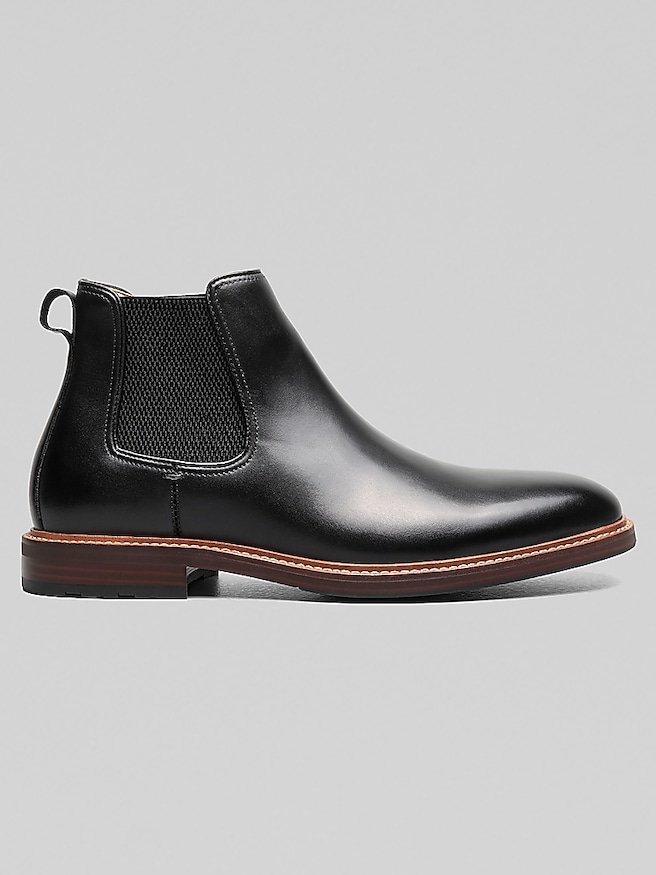
The appeal of brown Chelsea boots also lies in how naturally they settle into familiar combinations. Dark brown smooth leather looks composed beneath navy trousers and a pale blue shirt, with enough contrast to keep the outfit from feeling flat. Chestnut shades bring warmth to charcoal chinos, while brown suede works well with dark, straight-leg jeans and a textured knit polo. A trouser hem that rests lightly near the top of the boot keeps the line clean; excess fabric bunching around the ankle can hide the shape that makes Chelsea boots distinctive. A belt in a similar brown family usually creates a cohesive result without requiring an exact color match. For a business-casual office, a restrained toe shape and low-profile sole generally look more polished than a broad toe and prominent tread. For travel, restaurant outings, or celebrations with a relaxed dress code, a flexible sole and comfortable lining may take priority. Chelsea boots can complement some tailored outfits, but they are not a substitute for footwear required by a formal dress code. Those comparing brown’s warm character with a darker, more uniform finish can also explore comfortable black Chelsea boots. Whichever brown finish suits the wardrobe, consistent care helps preserve both appearance and wearability. Smooth leather benefits from having dust removed with a soft brush or cloth, followed by occasional conditioning with a formula suited to its finish. Applying conditioner sparingly and testing it in an inconspicuous area helps avoid unwanted darkening. Suede calls for a dedicated brush and compatible cleaning products rather than ordinary leather polish. Cedar shoe trees can help maintain the shape and absorb residual moisture after wear, while resting boots between outings gives the interior time to dry. Pulling gently with the tab, rather than forcing entry or crushing the heel, helps protect the structure. Brown Chelsea boots can also make a thoughtful gift for someone who regularly wears chinos, denim, or business-casual clothing, especially when the recipient’s size, width, and preferred fit are known. Their lasting usefulness comes from that combination of understated style, appropriate care, and comfort suited to the person wearing them.