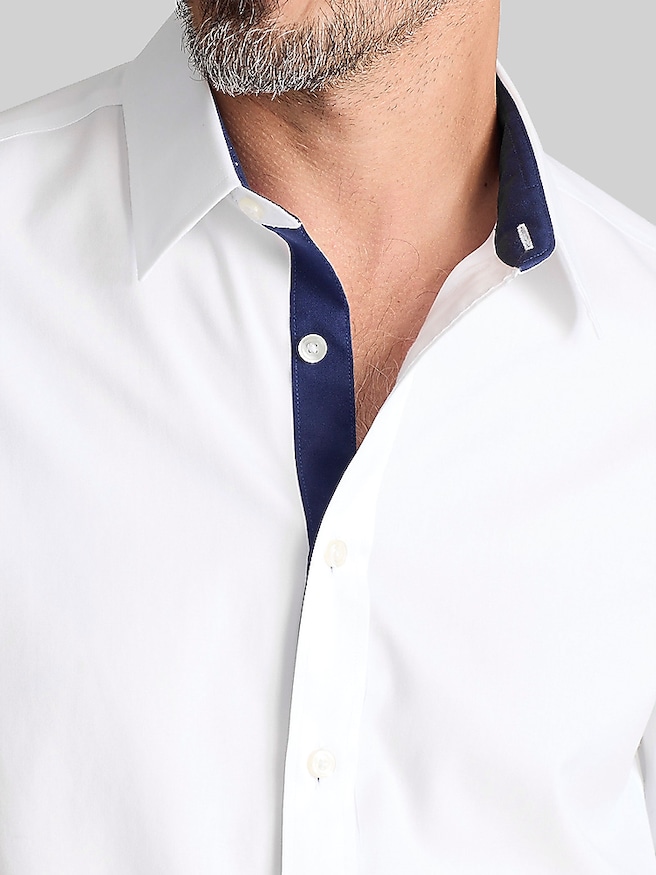
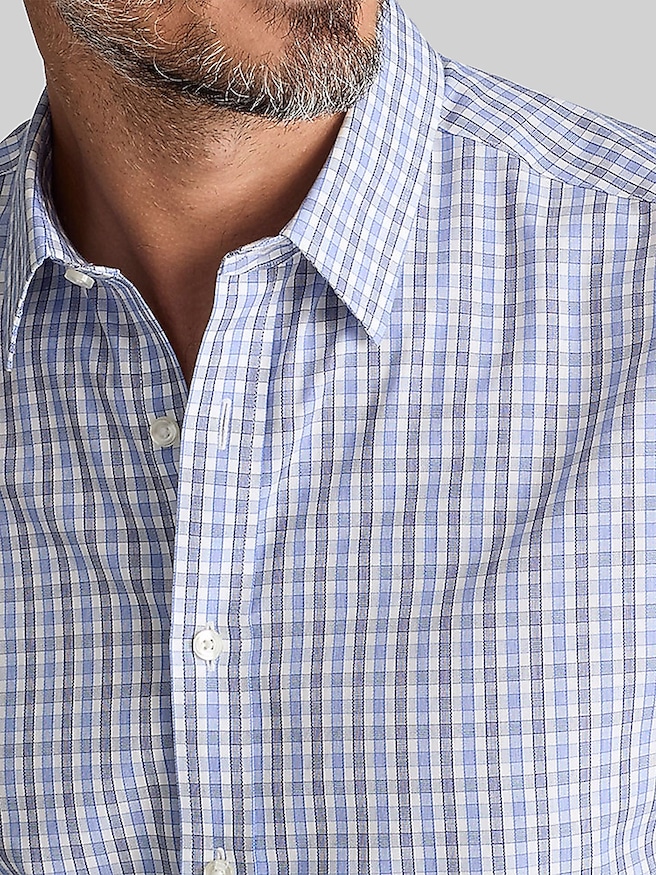
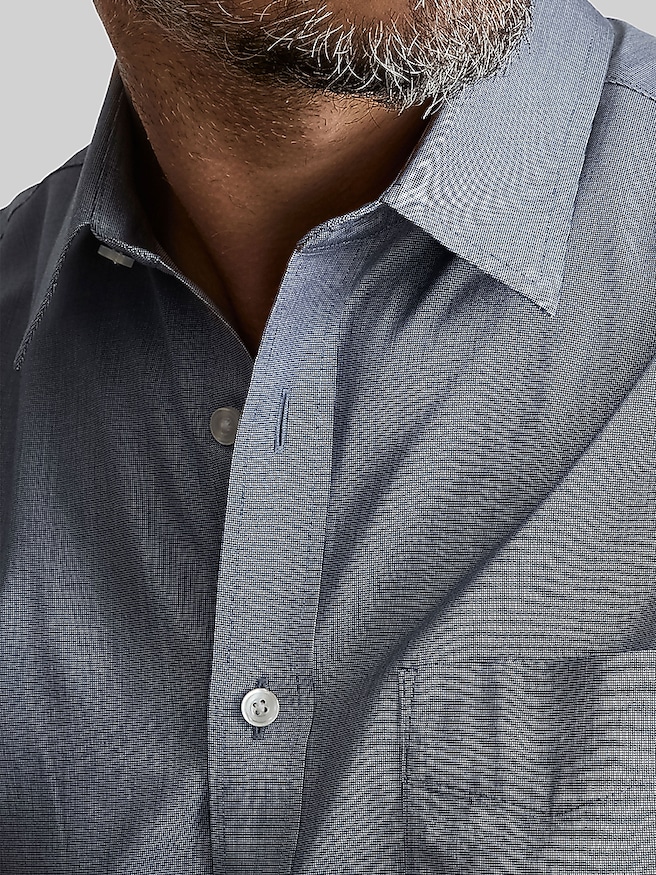
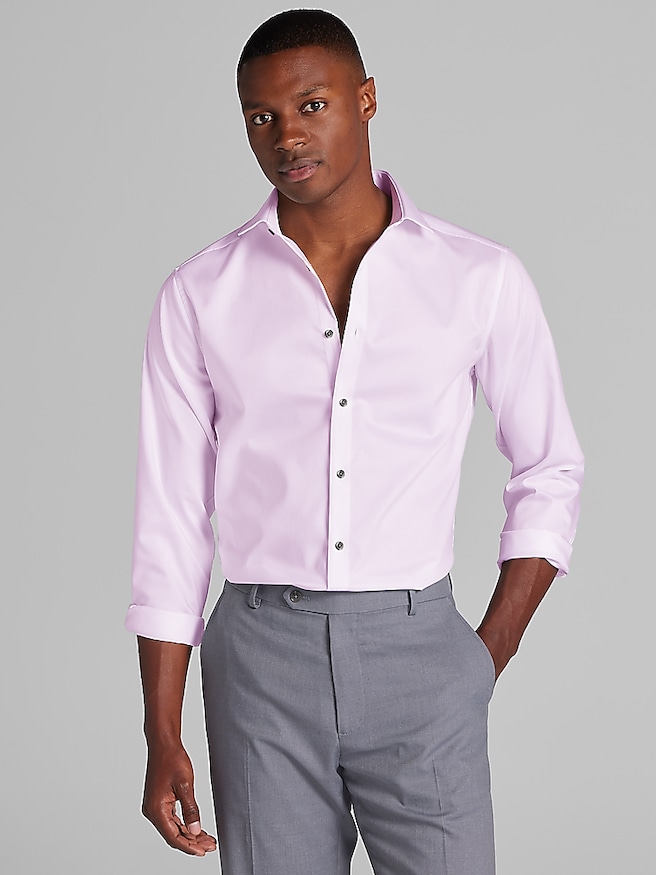
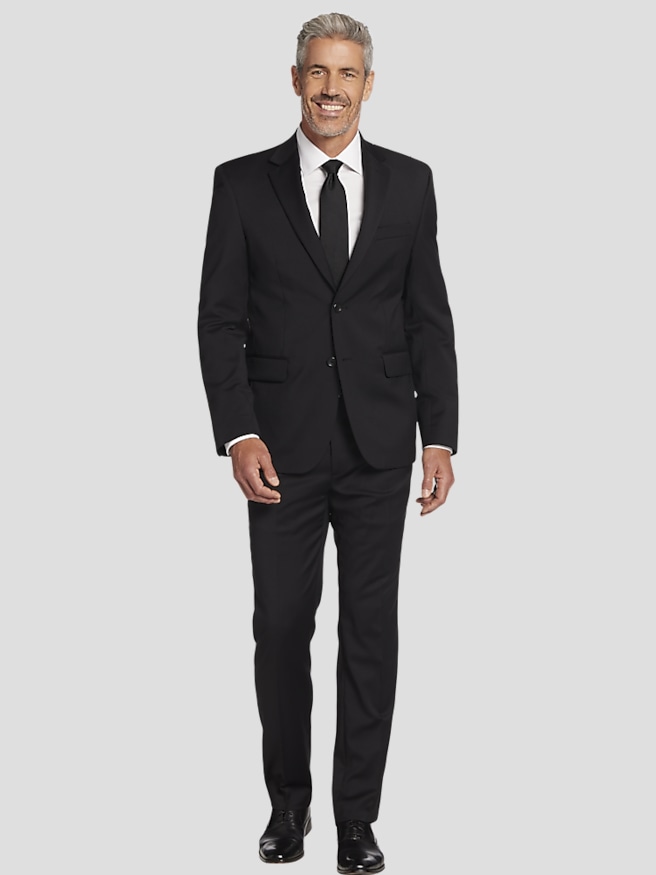
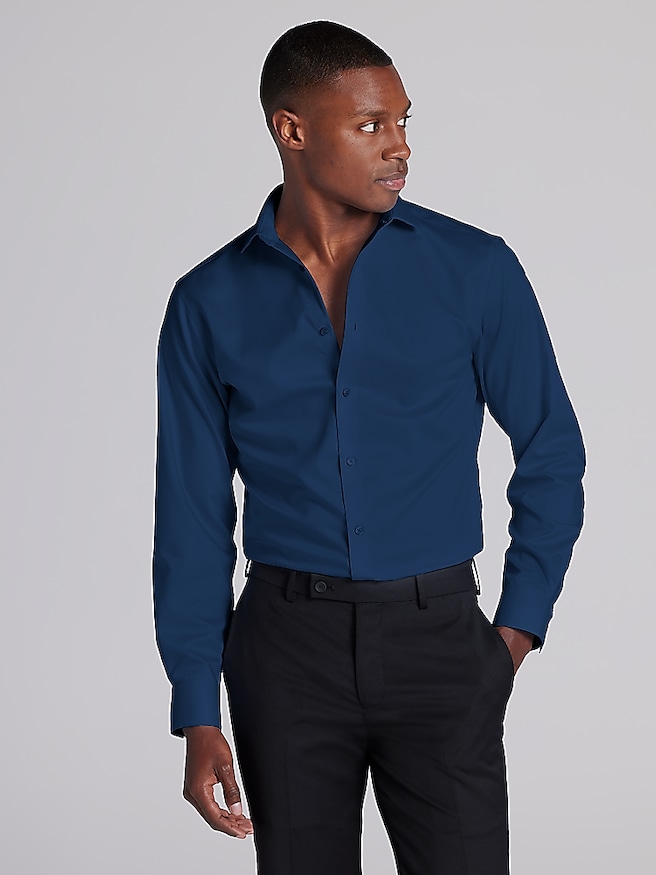
College orientation outfits for men should make it easy to look polished while moving comfortably through a full day of campus activities. Orientation often includes walking tours, welcome sessions, academic presentations, group introductions, and time spent in classrooms or student centers, so the most useful clothing sits between casual and formal. A clean polo with well-fitting chinos creates an easy smart-casual foundation, while a collared shirt layered over a simple tee and paired with dark denim offers a relaxed look with a little structure. Lightweight knit layers, such as a quarter-zip or fine-gauge sweater, can add warmth in the morning and come off easily when indoor spaces feel warmer. The best choices are neat without appearing overly formal, allowing a student to feel comfortable meeting future classmates, speaking with advisors, and taking photos with family. Fit matters more than elaborate styling: shirts should sit smoothly across the shoulders, trousers should allow a natural stride, and sleeves should leave room for movement. Neutral shades, subtle patterns, and versatile layers make it easier to coordinate several outfits from a small wardrobe, especially when orientation includes an overnight stay or a series of events across multiple days. A refined color combination can be as simple as a light top with darker trousers, or a muted layer over a crisp collared shirt. These combinations feel appropriate in a lecture hall, on a campus green, or at an informal gathering afterward.
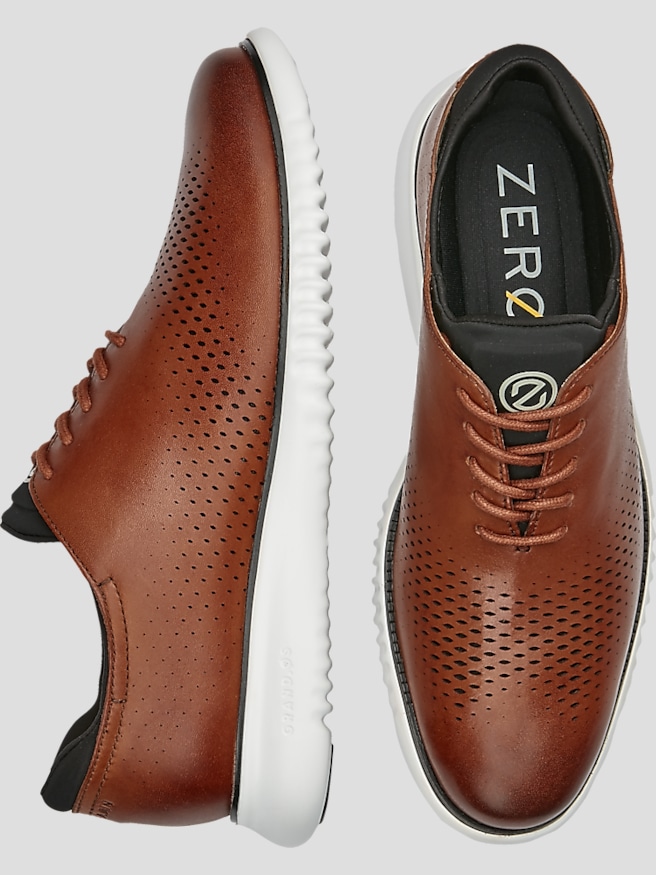
Comfort deserves equal attention because orientation days can be surprisingly demanding. Campus walks may cover several blocks, involve stairs, or extend across paved paths and grassy areas, making supportive casual shoes a practical part of any college orientation outfit for men. Shoes should be worn around the house or on shorter outings before the event so that the first full day on campus is not spent dealing with stiff materials or unfamiliar pressure points. Breathable fabrics help during warmer stretches of the season, while a light jacket, overshirt, or sweater provides a useful layer as temperatures cool and air-conditioned buildings feel chilly. Checking the expected conditions before packing can help determine whether short sleeves, longer sleeves, or a water-resistant outer layer will be most useful, but flexible layering is usually the safest approach. Clothing should also be easy to care for, particularly for students traveling to orientation or staying in a residence hall. Wrinkle-resistant materials, simple color coordination, and garments that can be worn in more than one combination reduce the need for overpacking. It is helpful to think through the entire day rather than choosing an outfit based only on the first impression: a shirt may look sharp at registration, but it should also remain comfortable during a long information session and a walk across campus. A polished casual wardrobe can serve well beyond orientation, giving students dependable options for class presentations, club meetings, casual dinners, and early social events. For more seasonal campus style inspiration, browse Men's Homecoming Outfit Ideas.
These recommended college orientation outfits for men can also make thoughtful gifts for a student preparing for the transition to campus. Parents, relatives, and family friends may choose a versatile shirt, comfortable trousers, a useful layer, or a coordinated set of wardrobe essentials as a practical send-off before the school year begins. Clothing gifts are especially helpful when they balance immediate needs with long-term wear; a well-chosen collared shirt can work for orientation, a casual interview, a dinner with classmates, or a family event, while clean-cut trousers can be dressed down with casual footwear or made more refined with a tailored layer. When selecting a gift, consider the student’s usual style, preferred fit, campus setting, and the climate where school is located. Someone attending a large urban campus may spend much of the day walking between buildings, while another student may need outfits that transition from outdoor tours to cool indoor meetings. Size information, return flexibility, and easy-care construction are also worth considering when the clothing is purchased from a distance or given before the student has settled into a new routine. During the cooler months, layering becomes particularly valuable, allowing a student to adjust comfortably from crisp outdoor air to heated interiors without changing the entire outfit. The goal is a wardrobe that feels authentic rather than costume-like: clean, comfortable clothing that helps a new student feel prepared while leaving room for personal expression. With versatile separates, dependable footwear, and layers suited to changing conditions, students can arrive at orientation ready for long campus days, new introductions, and the first memorable steps into college life.