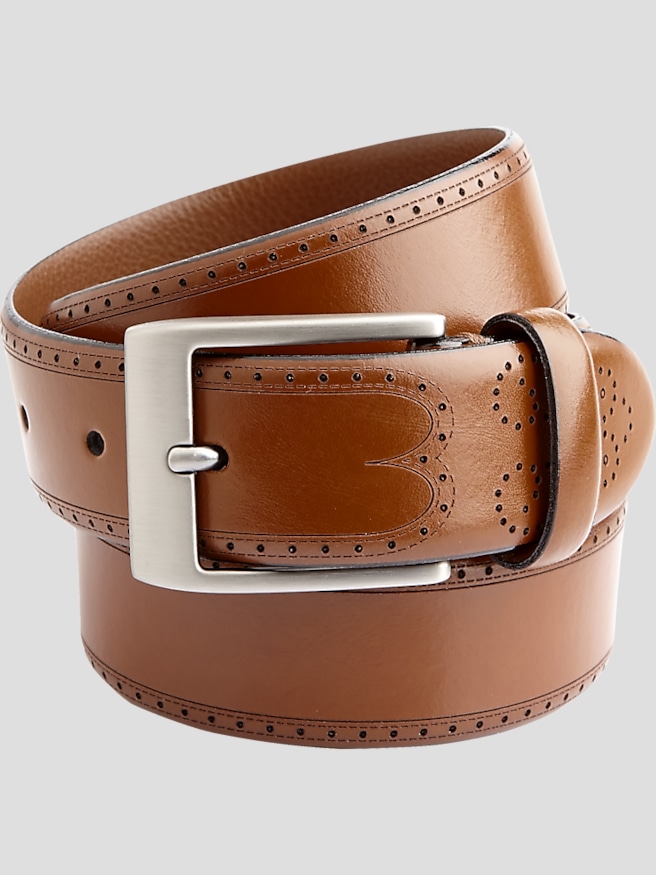
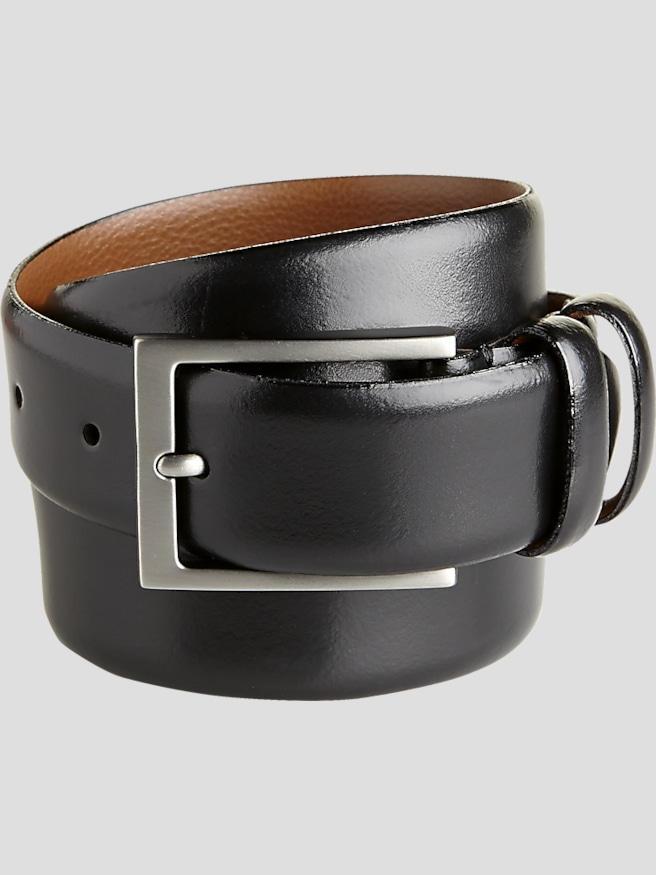
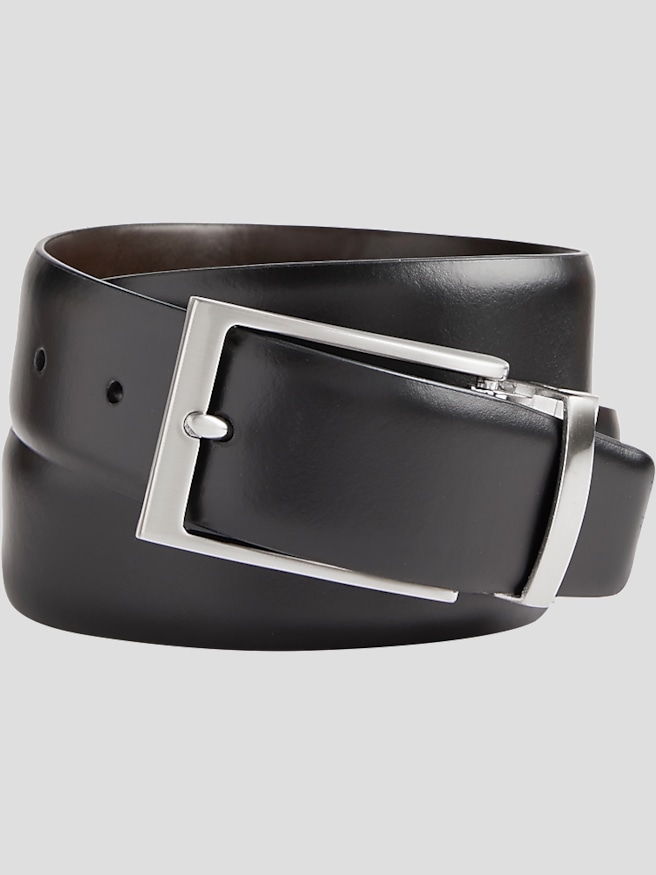
A college leather belt brings school spirit to an everyday accessory, pairing the familiar character of leather with details that can reflect a favorite college or university. Collegiate styling may take the form of an embossed school name, a team emblem on the buckle, a repeating logo pattern, or accents in school colors. Those details give the belt a connection to campus life without requiring a head-to-toe game-day outfit. For students, alumni, faculty, and devoted fans, the appeal is both practical and personal: a belt supports the fit of trousers while keeping a meaningful school connection close at hand. When an authentic school insignia matters, official licensing information helps distinguish authorized collegiate designs from accessories that simply use similar colors. The visual balance matters, too. A small, tonal emblem can sit comfortably alongside chinos and a button-down shirt, while a larger buckle or more visible pattern creates a stronger focal point with jeans and a polo. Brown leather often works naturally with tan, olive, and navy clothing; black offers a straightforward pairing with black footwear and darker trousers. Matching the general color and level of polish of a belt and shoes usually creates a more cohesive outfit than trying to find an exact match between every leather surface. A college leather belt can suit a campus tour, an alumni gathering, a watch party, or a casual office day when team details fit the setting. For an interview or a more formal presentation, understated decoration keeps attention on the overall outfit. The most useful choice reflects how the wearer actually dresses, whether that means denim most days or tailored trousers for meetings and events. School identity adds meaning, but comfortable proportions and a versatile color are what help the belt become part of a regular routine rather than an accessory reserved for a single occasion. Even a small detail near the keeper can make the connection recognizable to another fan without dominating the outfit.
Leather quality and belt construction influence how an accessory feels from the first wear and how it holds up over time. Full-grain leather retains the hide’s natural surface and can develop a distinctive patina with use, while top-grain leather has a more refined surface that may provide a consistent appearance. Neither term alone explains every aspect of performance; thickness, finishing, stitching, and the way the buckle is attached also matter. A smooth finish generally looks more polished, while a pebbled or lightly textured surface can make small marks less noticeable. Suede has a softer, more casual character but needs care suited to its nap rather than the same treatment used on smooth leather. The phrase “genuine leather” identifies real leather but does not, by itself, establish a particular quality level. For a belt expected to move between classes, errands, and social plans, inspect the edges and stress points as closely as the decorative details. Even stitching, neatly finished edges, and a secure buckle connection contribute to a tidy appearance through repeated use. Fit starts with the trousers the belt will accompany. Belt sizing does not always match a labeled pants waist, so the relevant size chart and measurement method are more dependable than assumptions. With a traditional prong buckle, a comfortable fit usually leaves adjustment room in both directions and enough tail to pass through the keeper without wrapping far around the waist. Measuring a well-fitting belt from the specified buckle reference point to the hole most often used can provide a useful comparison, provided the measurement follows the maker’s instructions. Width deserves equal attention: the strap needs to pass easily through the belt loops and look proportionate to the trousers. Narrower profiles generally complement dressier clothing, while broader profiles tend to sit more naturally with denim. A buckle should lie comfortably when seated, especially through a lecture, a drive, or a long meal. Leather can soften with wear, but a belt should not need to stretch substantially to become comfortable.
Thoughtful care helps preserve both the leather and any collegiate decoration. After ordinary wear, a soft, dry cloth can remove surface dust before it settles around stitching, embossed lettering, or the buckle. For more thorough cleaning, follow the care directions for the particular leather and finish; a treatment intended for smooth leather may not suit suede, printed graphics, painted edges, or coated surfaces. Test an appropriate cleaner or conditioner on an inconspicuous area first, and use a light hand rather than saturating the strap. Too much conditioner can leave residue or change the appearance of certain finishes. If the belt becomes damp, blot away excess moisture and allow it to dry naturally away from direct heat. A radiator, hair dryer, or prolonged direct sunlight can dry leather unevenly and affect its surface. Hanging the belt straight or storing it in a loose coil helps avoid sharp bends, especially near a frequently used hole. Pulling the strap gently through the buckle, rather than yanking it tight, also reduces unnecessary strain on the holes and edges. When everyday dressing includes more physically demanding tasks, Work Leather Belts offer a related category to consider, with attention to sturdy construction and compatibility with work trousers. A collegiate belt can instead serve as the personal finishing touch for campus visits, casual gatherings, and days when school affiliation belongs in the outfit. That balance of usefulness and sentiment makes it a thoughtful graduation, college acceptance, or alumni milestone gift. The best gifting details are practical ones: the recipient’s preferred school, typical trouser style, usual leather color, and an accurate belt measurement. Some fans enjoy prominent insignia; others are more likely to wear a subtle mark with their usual clothes. Choosing with those habits in mind gives the accessory a purpose beyond the occasion when it is presented. With suitable fit, sound construction, and routine care, a college leather belt can carry a school connection into daily life while doing the straightforward job a good belt should do.