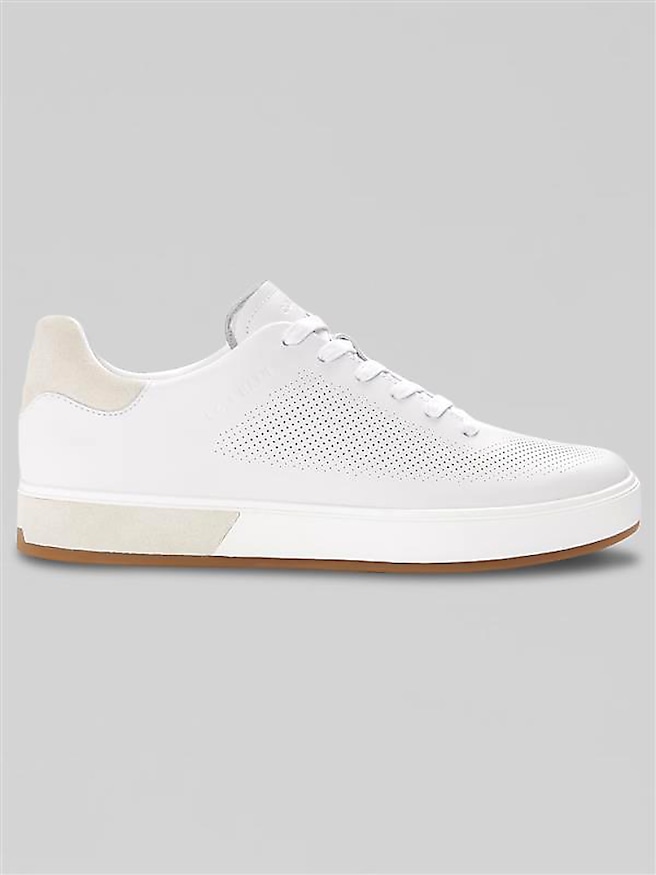
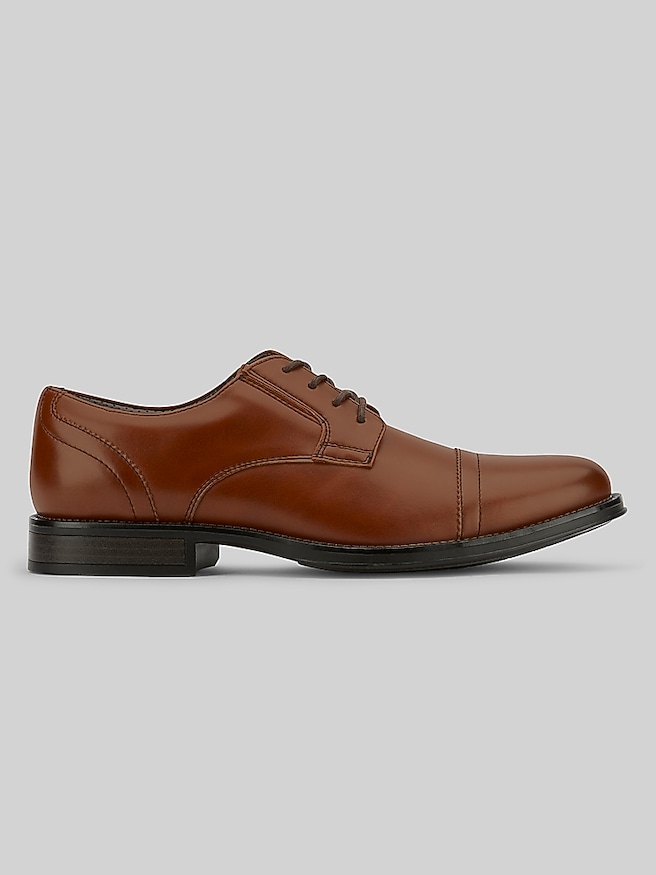
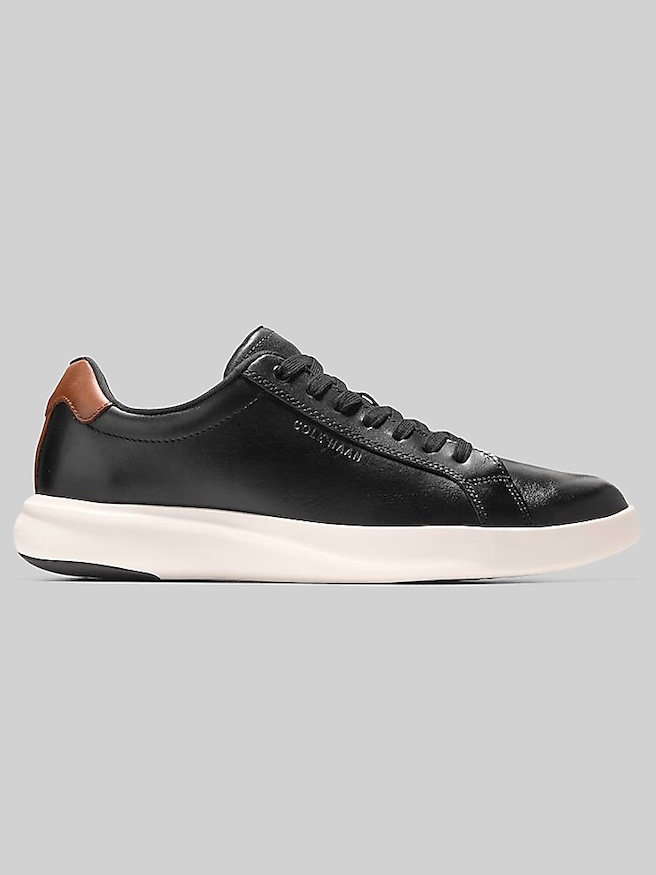
Lightweight dress shoes with athletic-inspired construction bring a more relaxed feel to polished dressing, especially on days that move between a desk, a sidewalk, and an evening reservation. The appeal is straightforward: familiar lace-up shapes and refined uppers paired with cushioning and flexibility that suit an active schedule. Traditional dress footwear often emphasizes a firm foundation and a structured profile, while hybrid designs place more attention on reducing weight and allowing the sole to move with the foot. Neither approach replaces the other, but a flexible dress-casual shoe can be a practical choice for someone who wants a sharp appearance without the formality of a traditional leather-soled oxford. These silhouettes work particularly well with tapered chinos, flat-front trousers, and dark denim, where a clean hem leaves the shape of the shoe visible. A softly constructed sport coat and an open-collar shirt carry that balance into the office; a textured sweater and tailored pants make it feel at home at dinner. For workplaces with a more conservative dress code, a smooth upper, understated detailing, and a sole close in color to the rest of the shoe generally create a quieter effect. Contrasting soles, visible flex grooves, and textured panels read more casually and can add dimension to otherwise simple clothing. Proportion matters as much as color: a streamlined shoe tends to sit neatly beneath narrower trousers, while a more substantial sole can balance a slightly fuller leg. During the cooler months, wool-blend trousers and fine-gauge socks add warmth without disrupting that clean outline. The result is footwear suited to commuting, presentations, casual celebrations, and travel days when looking composed still matters. Someone moving from a morning meeting to a long walk across a conference venue may appreciate this middle ground, although cushioned dress-casual footwear should not be treated as a substitute for purpose-built running shoes or specialized outdoor footwear. Its strength is versatility across everyday settings, with the exact level of support, flexibility, and weather protection depending on the construction.
Materials make a noticeable difference in both appearance and day-to-day upkeep. Smooth leather can develop subtle creasing and character with wear, and its relatively even surface is usually straightforward to wipe clean according to the care directions. Suede offers a softer, more textured finish that pairs naturally with brushed cotton and knitwear, but it benefits from careful brushing and extra caution around moisture. Knit or textile panels can reduce bulk and encourage airflow, though breathability depends on the full upper and lining rather than the outer fabric alone. Mixed-material construction calls for particular attention because a cleaner appropriate for one panel may affect another. Underfoot, cushioning can soften the sensation of each step, while flex channels may help the sole bend more readily; neither feature guarantees the same feel for every foot. Fit remains the deciding factor. The heel should feel secure without rubbing, the widest part of the foot should align comfortably with the widest part of the shoe, and the toes should have room to move without sliding forward. Trying footwear with the socks intended for regular wear gives a more useful impression than trying it with an unusually thick or thin pair. A late-afternoon fitting can also help account for the slight swelling that often develops through the day. Lace tension should hold the foot steadily rather than squeeze it, and persistent pinching is not something to dismiss as a necessary break-in stage. Anyone using an orthotic should check interior depth and whether the footbed is removable rather than assuming it will accommodate an insert. Durability depends on fit, materials, construction, walking surfaces, and care habits together. Alternating pairs allows interiors time to dry, while using a shoehorn helps protect the heel structure from repeated crushing. Remove loose dirt before cleaning, test suitable care products in an inconspicuous spot, and let damp footwear dry away from direct heat. Leather uppers may benefit from an appropriate conditioner, but suede and textiles need their own treatment. Sole grooves deserve attention, too: gently clearing trapped debris helps keep the tread clean, and checking worn areas periodically makes it easier to recognize when grip or stability has diminished.
Choosing an everyday pair becomes simpler when the intended setting is clear. For a commute that includes several blocks on foot, look beyond the first impression of softness and consider heel security, overall weight, and how naturally the shoe bends while walking. For frequent travel, a versatile color and an upper that suits several outfits can make packing easier: dark trousers and a button-down for appointments, then chinos and a knit polo for a quieter evening. Black tends to create a crisp connection with charcoal and other darker tailoring, while brown shades bring warmth to navy, olive, and earth-toned clothing. Matching every accessory precisely is unnecessary, but keeping leather tones reasonably coordinated can make an outfit feel more intentional. A streamlined lace-up can also bridge the gap at a gathering where a suit feels excessive and athletic footwear feels too casual. The invitation, venue, and expected level of formality still matter; occasions requiring traditional formal attire call for footwear appropriate to that standard. For a more relaxed, sneaker-led direction, Cole Haan Grand Crosscourt offers another point of comparison when considering how footwear fits into an everyday wardrobe. Dress-casual shoes can also make a thoughtful gift for a graduate beginning an office role, a frequent traveler, or someone refreshing a well-worn work rotation. A familiar size is a useful starting point, but foot shape, width, and personal preferences deserve equal attention, especially when moving between footwear categories. Notice whether the recipient favors discreet styling, softer uppers, or extra room through the forefoot. For personal use or gifting, the strongest choice is rarely the one with the most visible technical details. It is the pair whose shape, material, and underfoot feel complement the wearer's routine, clothing, and expectations—polished enough for the calendar, comfortable enough for the route, and cared for well enough to remain a dependable part of the weekly rotation.