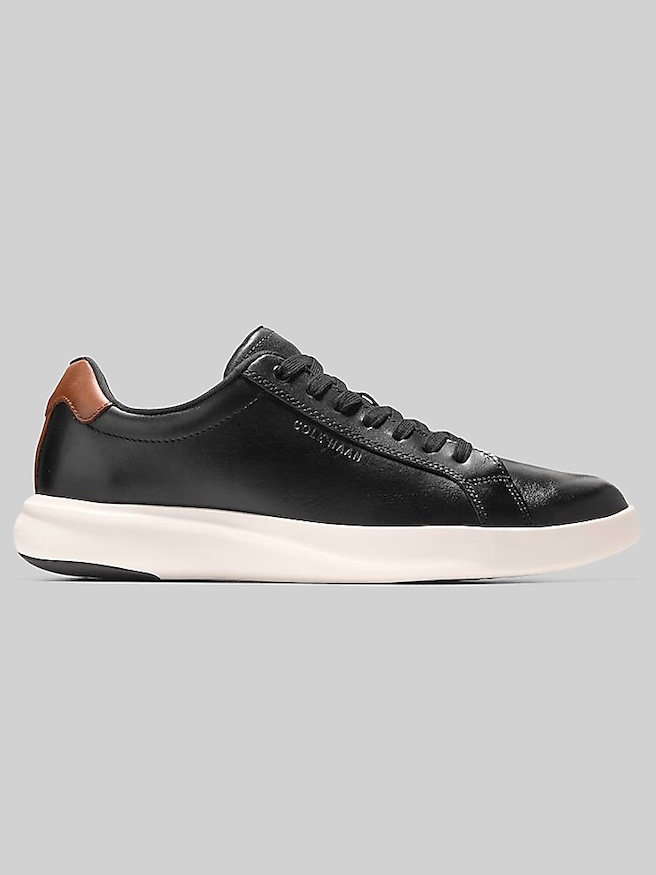
Lightweight, court-inspired sneakers bring the clean proportions of traditional tennis footwear into an everyday wardrobe. A low-profile shape, restrained detailing, and a cushioned underfoot feel make this category a natural companion to chinos, jeans, and more relaxed tailoring. The appeal is easy to see in a simple outfit: dark denim, a fine-gauge knit, and smooth leather sneakers look considered without feeling overly dressed. With tapered chinos and an untucked button-down, the same footwear can suit a casual office, a lunch reservation, or an afternoon spent moving between appointments. Court-inspired styling describes the appearance rather than a promise of athletic performance; everyday sneakers are distinct from footwear engineered for competitive tennis, basketball, or running. Their focus is typically versatility, approachable styling, and comfort for ordinary walking and standing. Smooth uppers and minimal overlays give some designs a refined finish, while perforations, suede panels, or contrasting textures create a more relaxed impression. White and off-white sneakers provide a crisp contrast against darker trousers, while black, brown, gray, and navy tones can blend more quietly into an outfit. Sole shape matters as much as color. A slimmer sole keeps the profile understated, while a more substantial sole adds visual weight that can balance straight-leg denim or fuller-cut pants. Trouser hems that finish near the top of the shoe allow the silhouette to remain visible without fabric gathering heavily over the laces. For workplaces with a flexible dress code, understated sneakers can bridge the space between traditional dress shoes and athletic footwear. An unstructured jacket and clean, minimally detailed sneakers can work together comfortably, provided the occasion allows casual footwear. The same versatility makes these shoes useful for travel, where one pair may need to work with several outfits. They belong most naturally in settings where ease and a neat appearance carry equal weight, rather than occasions that call for formal footwear. Their familiar shape also makes them approachable for someone accustomed to dress shoes who wants a less structured option for everyday wear.
Materials and construction influence how casual sneakers feel, how they wear, and how much attention they need over time. Smooth leather offers a relatively uniform surface that can be wiped clean, although its finish and care requirements vary. Suede brings a softer, textured appearance and benefits from brushing that lifts the nap without flattening it. Textile panels can reduce weight and give an upper a more flexible feel, while linings affect the sensation against the foot. Beneath the upper, foam cushioning helps soften the feel of each step. EVA, a lightweight foam used in footwear midsoles, can provide cushioning without the bulk of a heavier construction, but comfort depends on the complete shoe rather than a single material. The footbed, heel shape, sole flexibility, and distribution of cushioning all contribute to the experience. A padded collar may reduce contact at the ankle, while a well-shaped heel helps hold the foot in place. Rubber at high-contact areas of the outsole can support wear resistance and grip, although traction varies with the tread pattern and walking surface. Fit remains essential, even in a shoe that feels soft underfoot. Toes need room to move naturally, the widest part of the foot should sit comfortably within the upper, and the heel should feel secure without persistent slipping. Laces allow some adjustment across the instep, but they cannot fully compensate for a shape that is too narrow or too roomy. The socks worn with the shoes also influence fit, especially when alternating between thin dress socks and cushioned casual socks. A useful fit assessment includes standing, walking, turning, and noticing any pressure across the forefoot or behind the heel. Leather may soften with wear, but a comfortable fit should not depend on a cramped shoe stretching substantially. For someone walking through an airport terminal or standing through a casual reception, balanced cushioning and dependable heel hold can matter more than an especially plush first impression. Flexibility should feel compatible with a natural stride, without forcing the foot to work against a stiff sole.
Everyday durability comes from both construction and regular care. Areas around the toe, heel, and flex points receive repeated stress, so secure stitching, neatly joined panels, and an outsole suited to frequent walking are meaningful details. Even well-made sneakers show wear faster when dirt remains in seams or damp shoes are put away without drying. For smooth leather, a soft cloth can remove surface dust before a cleaner appropriate to the finish is used. Suede generally needs a dedicated brush and care products intended for its texture rather than the same treatment used on polished leather. Textile sections may require a separate approach, making the care directions for the complete shoe especially important. Machine washing is not a safe assumption for footwear with leather, suede, adhesives, or structured components. Drying at room temperature, away from direct heat, helps avoid unnecessary stress on materials. Laces can often be cleaned separately according to their care directions, and attention to the edges of a light-colored sole keeps the overall appearance neat. Allowing shoes to dry fully between wears helps manage moisture, while alternating pairs gives each pair more recovery time. These habits are especially useful when sneakers serve as a regular choice for commuting, casual workdays, and weekend plans. For a closely related court-inspired look, the Cole Haan Grand Crosscourt collection fits naturally into the same casual wardrobe. This general footwear style can also make a thoughtful gift for a graduate starting a casual-office job, a frequent traveler, or someone who prefers simple clothing with versatile finishing touches. Familiarity with the recipient’s usual size, width, and preferred colors makes footwear gifting more personal and practical. A neutral shade often works across several outfits, while a textured upper can appeal to someone who already enjoys suede jackets, knitwear, or relaxed tailoring. The lasting attraction is straightforward: an uncomplicated sneaker shape that looks neat with everyday clothing and feels appropriate for the places ordinary days lead.