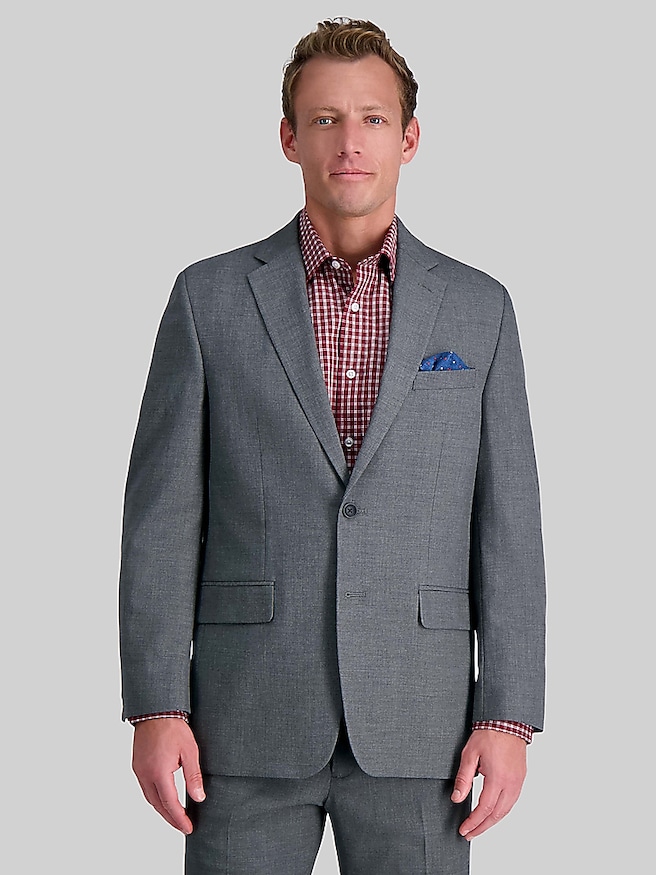
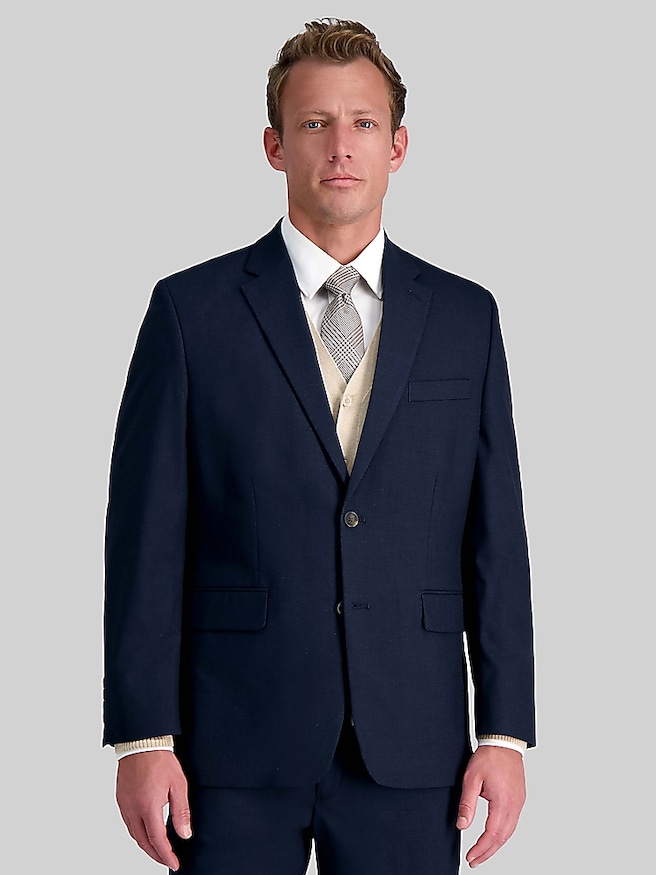
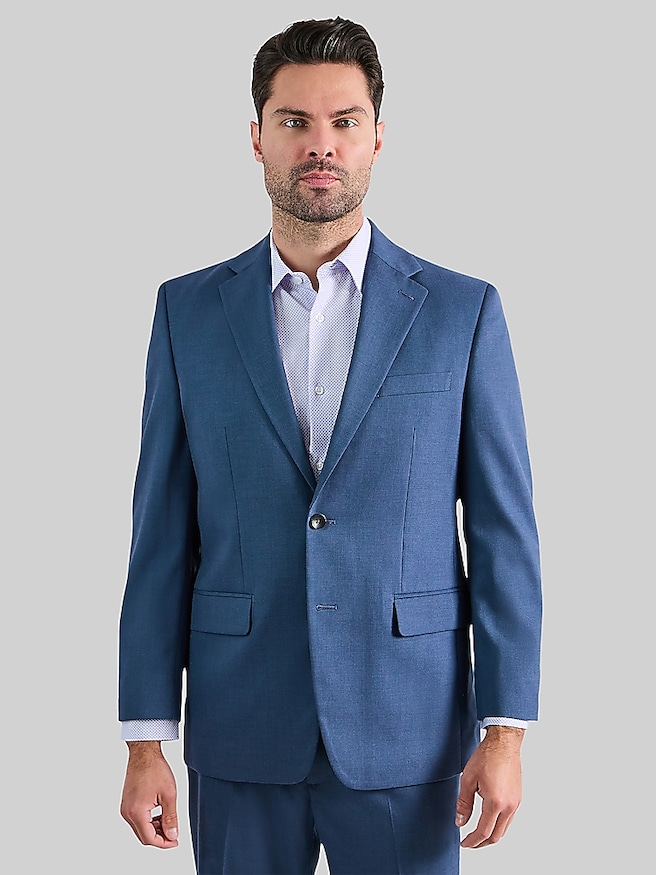
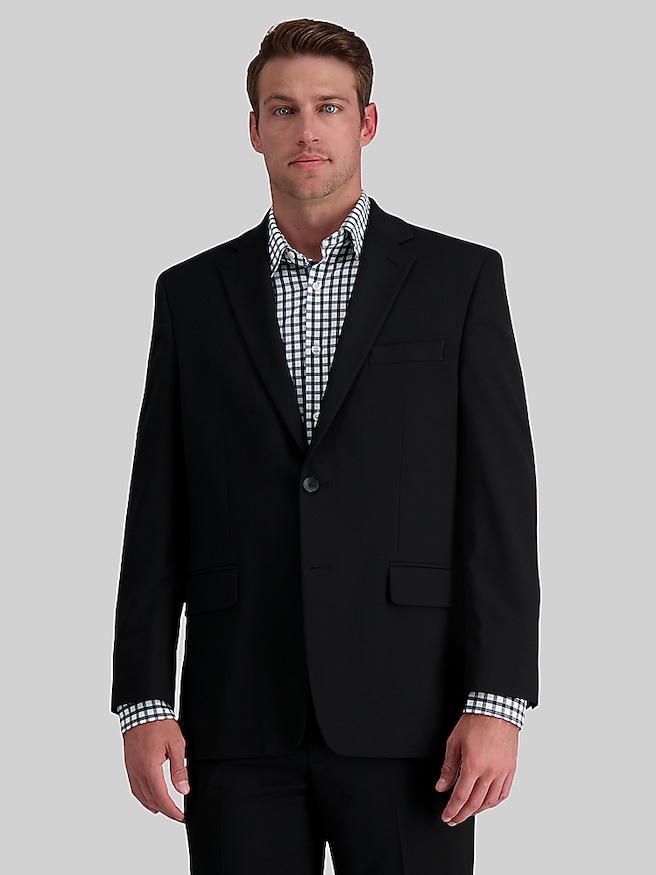
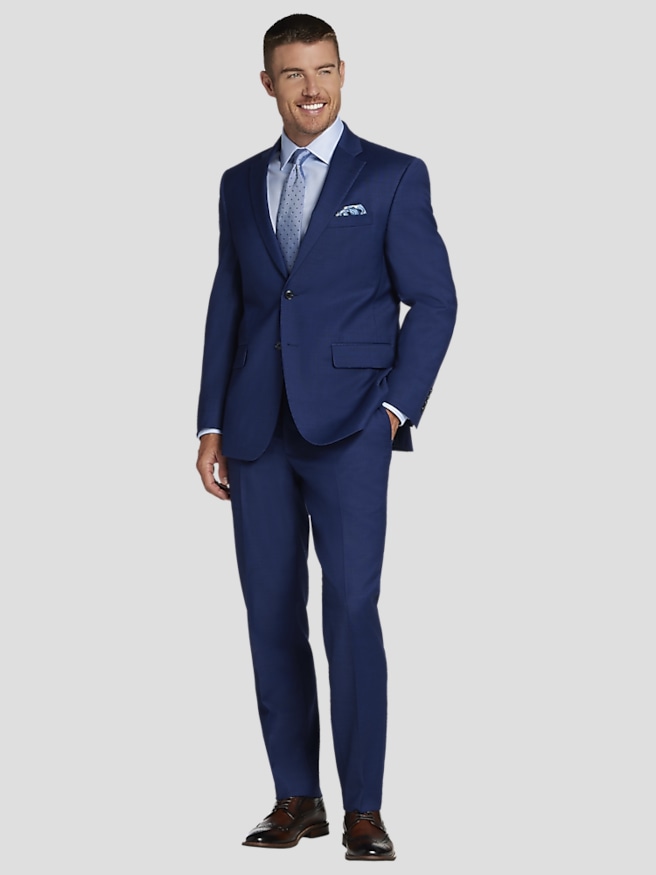
Cocktail party jackets give evening outfits a polished focal point without automatically calling for the formality of a tuxedo. A tailored blazer, a dark sport coat, or a velvet jacket can suit a cocktail reception, an anniversary celebration, or an evening gathering where the invitation asks for something sharper than everyday clothing. The strongest choices balance a clean silhouette with a fabric or finish that feels appropriate after dark. Navy and charcoal offer understated versatility, while black creates a crisp backdrop for a light dress shirt. Deep burgundy and midnight blue bring richer color without overwhelming the rest of an outfit. Texture makes an equally noticeable impression: velvet catches the light softly, a fine woven pattern adds depth at close range, and a smooth wool surface keeps the look restrained. A notch lapel usually feels versatile and familiar, a peak lapel creates a more pronounced line across the chest, and a shawl collar suggests eveningwear with its continuous curve. Satin accents can strengthen that evening character, though the invitation and setting still determine how formal an outfit should be. Cocktail attire generally sits between business casual and black tie, leaving room for personality while keeping the overall appearance considered. For a reception in a softly lit hotel lounge, a dark jacket with tailored trousers and a pale shirt can look composed without feeling stiff. At a festive gathering with a more expressive dress code, a velvet jacket can carry the outfit while the shirt and accessories stay quiet. A jacket with a subtle pattern also works well when moving from an office setting to an evening celebration, especially with a fresh shirt and polished footwear. The appeal is in that balance: enough structure to mark the occasion, enough comfort to enjoy it, and enough visual interest to look intentional in person as well as in photographs.
Fabric and construction influence how cocktail party jackets look, move, and hold up over repeated wear. Wool is a useful starting point because it offers breathability, resilience, and a natural drape that complements tailoring. Lighter wool fabrics can feel comfortable in a busy indoor reception, while flannel and more substantial weaves bring a softer, warmer character during the cooler months. Velvet has a distinctive pile that creates depth as the wearer moves, making it especially suited to evening celebrations; its fiber content and lining affect how warm or breathable it feels. Cotton can provide a more relaxed, matte finish, while blended fabrics may offer added stretch or wrinkle resistance depending on their composition. A smooth lining helps a jacket slide over a shirt, and a partially lined construction can reduce bulk, although comfort always depends on the full garment rather than one feature alone. Fit gives those materials their shape. Shoulder seams should sit close to the natural shoulder edge without a pronounced overhang, and the collar should rest against the shirt collar rather than stand away from the neck. With the jacket fastened, the lapels should lie smoothly and the front should not pull into a tight X around the button. The waist can follow the body without gripping it, leaving enough room to shake hands, lift a glass, or sit through a toast. Sleeves often look balanced with a small amount of shirt cuff visible, while jacket length should complement the wearer’s proportions and provide appropriate coverage through the seat. Slim, tailored, and classic fits describe broad silhouettes, not a guarantee of how any jacket will sit on a particular build. Someone with broader shoulders may need more room through the upper body even when seeking a shaped waist. Trying a jacket over the type of shirt intended for the event gives a clearer sense of comfort, and alterations can refine sleeve length or waist shape when the underlying shoulder fit is sound.
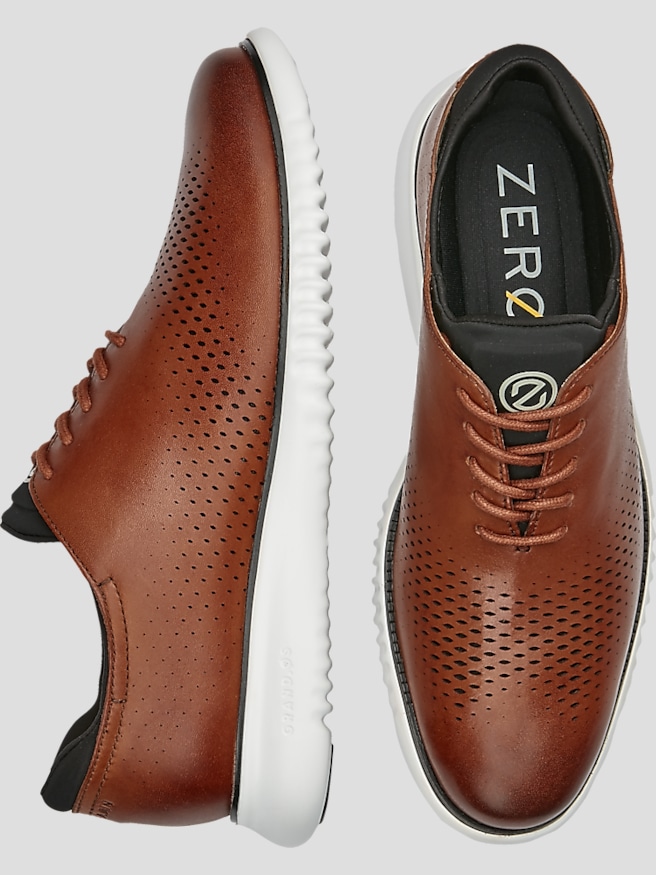
The most useful cocktail party jacket feels connected to the rest of the outfit rather than simply layered on top. Smooth wool trousers support a dressier look, while sharply pressed chinos may work for a more relaxed gathering when the invitation allows them. Contrast should look deliberate: a textured jacket pairs easily with quieter trousers, and a rich color benefits from a simple white or light blue shirt. A fine-gauge knit can soften the effect for an informal evening, but a collared dress shirt remains a dependable option when expectations are more traditional. Accessories work best when they reinforce one another without matching too precisely. A pocket square can pick up a small accent from the shirt or tie, while a restrained belt and polished leather footwear keep attention on the jacket’s cut and fabric. Complementary cocktail party shoes help carry that level of polish through the full outfit, whether the setting favors lace-ups or sleek loafers. During the cooler months, an outer layer roomy enough to sit over tailored shoulders helps protect the jacket on the way to the event without crushing its shape. Thoughtful care supports that shape long after the celebration ends. Follow the garment’s care label, allow the jacket to air after wearing, and use a broad, supportive hanger rather than a narrow wire one. Leave breathing room in the closet so lapels and sleeves are not compressed. Surface dust on suitable wool fabrics can often be lifted with a soft clothing brush, while velvet needs care appropriate to its pile and should not be pressed flat with a household iron. Prompt professional attention to spills can help prevent lasting marks, and avoiding unnecessary cleaning may reduce wear on delicate finishes. Secure buttons, tidy lining seams, and neatly finished buttonholes are useful signs to examine when considering repeated use. For someone who attends receptions, celebrates milestone birthdays, or enjoys dressing for an evening out, a well-chosen jacket can also make a thoughtful gift, particularly when the recipient’s measurements and style preferences are known.