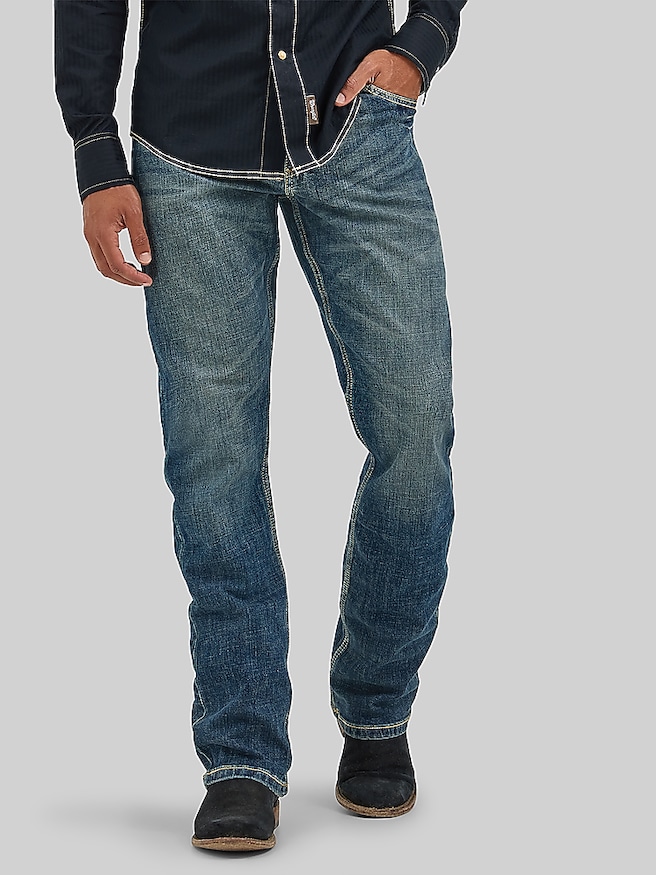
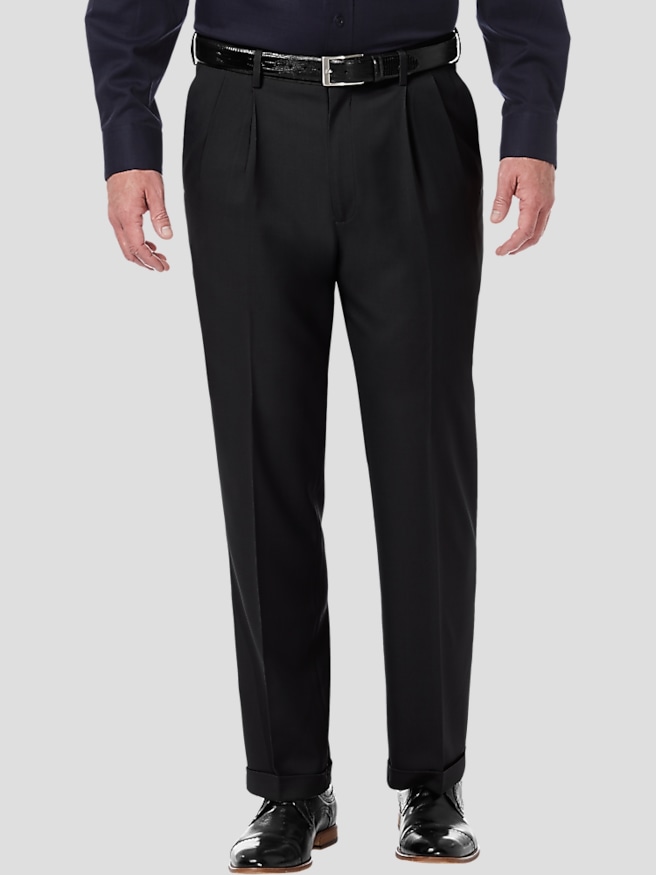
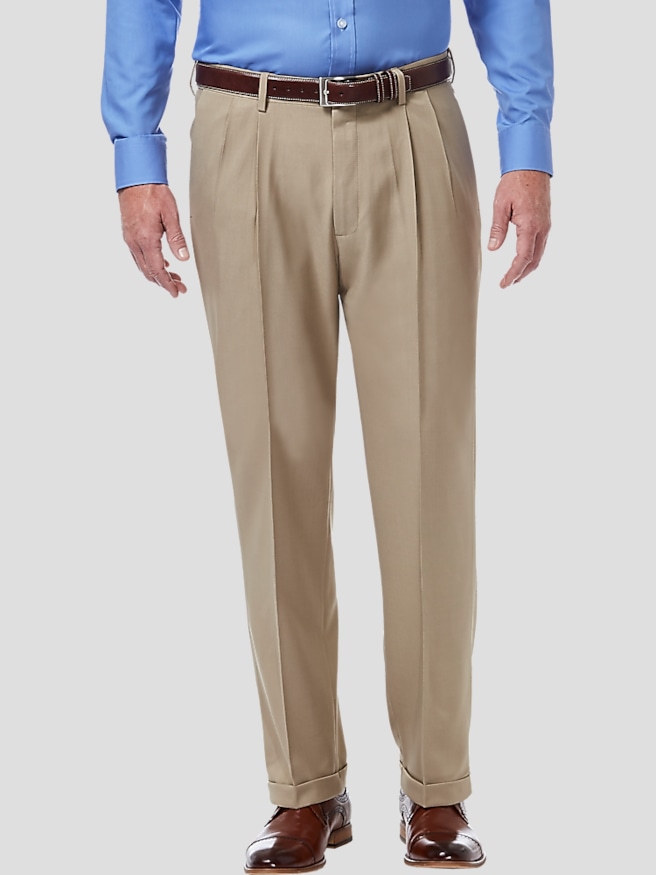
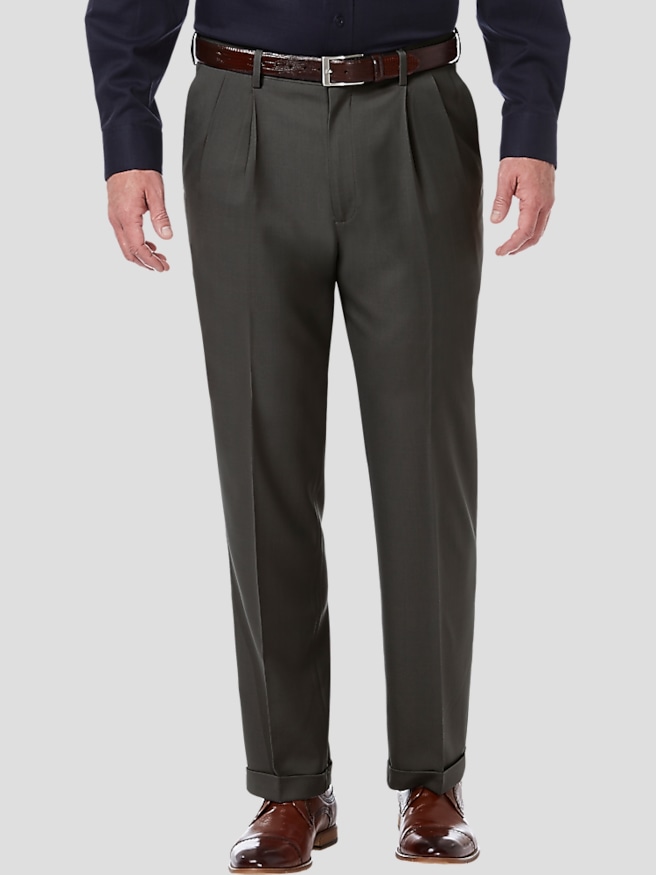
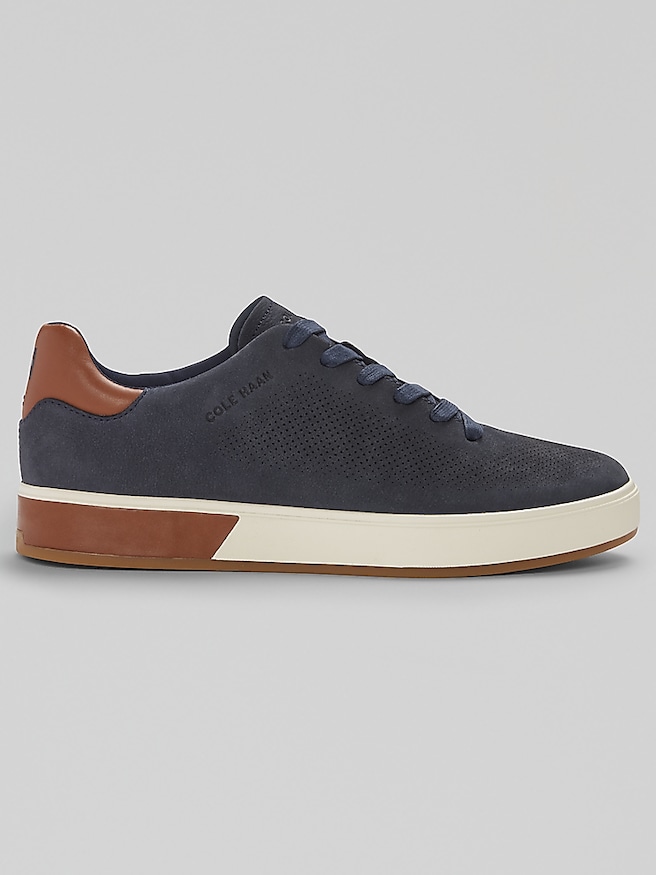
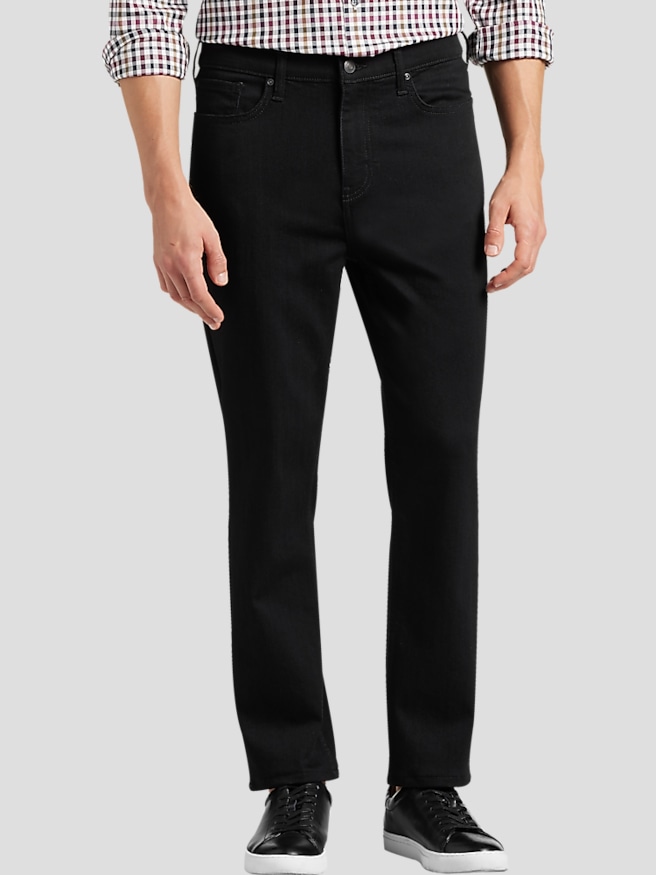
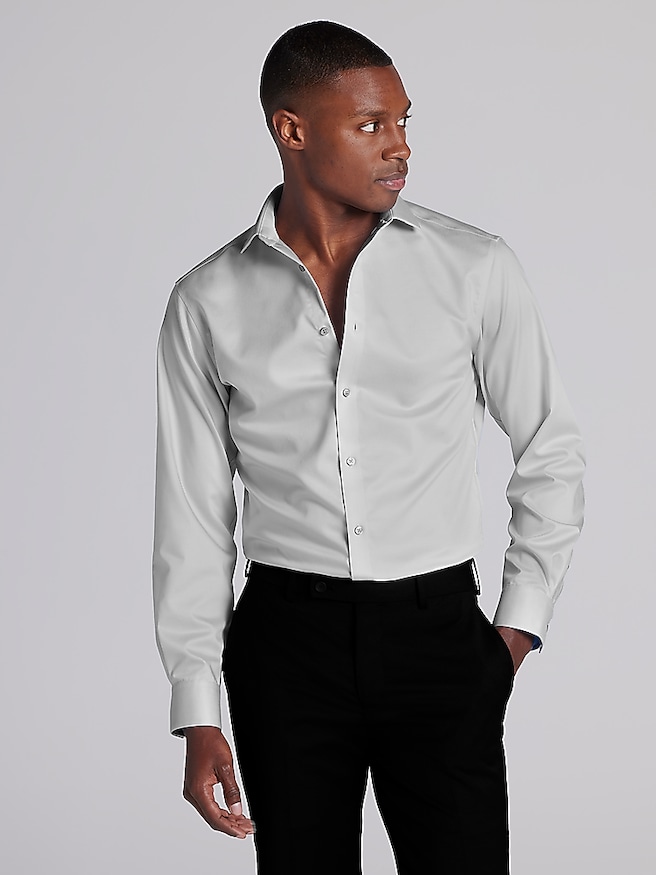
Clothing for athletic build men is designed to follow a naturally broader chest, stronger shoulders, defined arms, and fuller thighs without leaving excess fabric around the waist. The result is a cleaner silhouette that looks intentional from every angle, whether the occasion calls for polished workwear, relaxed weekend layers, or an outfit for a special gathering. Traditional cuts can feel restrictive across the upper body while becoming loose through the midsection, especially for men who lift, play sports, or simply carry more muscle through the chest and legs. Athletic fit clothing addresses that balance with additional room where movement and comfort matter most, then narrows through the torso, seat, and lower leg for a streamlined appearance. When browsing clothing for athletic build men, pay close attention to the shape of each garment rather than relying on a familiar size alone. A shirt should sit smoothly across the shoulders, with seams resting near the natural edge of the shoulder and enough room to move without pulling at the buttons. The body should taper gently toward the waist instead of billowing beneath the chest. Sleeves should allow comfortable movement through the arms, while cuffs should close neatly without feeling tight. This balance is especially useful during the cooler months, when a well-fitting shirt or sweater needs to layer comfortably beneath a jacket without creating bunching at the shoulders or excess bulk around the stomach. Stretch fabrics containing elastane or spandex can add welcome flexibility, while breathable cotton blends and performance materials help clothing stay comfortable during commutes, dinners, travel, and long days on the go. For men with powerful thighs or a fuller seat, trousers and denim with an athletic-tapered shape provide room where standard slim cuts may pinch, followed by a gradual narrowing through the leg. Explore Slim Jeans For Athletic Build for denim silhouettes that help create that balanced proportion without sacrificing ease of movement.
This selection can serve men at many stages of life and for many different routines. Someone who spends early mornings in the gym may appreciate a flexible waistband, a comfortable seat, or a shirt that accommodates developed shoulders without appearing oversized. A man with a naturally V-shaped frame may look for dress clothing that keeps the waist neat while allowing full range of motion when reaching across a conference table, driving, or greeting guests. Men who work in active environments often benefit from stretch woven fabrics and durable construction, while those dressing for formal celebrations may prefer a sharper, more structured fit that emphasizes the shoulders and creates a confident line through the torso. The right proportions can make familiar wardrobe staples feel noticeably better: a collared shirt can stay tucked instead of working loose, trousers can sit comfortably without pulling across the thighs, and a jacket can close smoothly without straining at the lapels. As the weather moves between crisp mornings and milder afternoons, versatile layers become particularly practical. A lightweight overshirt, knit layer, or tailored outer piece can add warmth while maintaining the shape of the outfit beneath it. Color and pattern also play a role in creating a cohesive look. Solid neutrals are easy to combine for work and travel, while subtle textures or understated patterns add dimension without drawing attention away from a well-balanced fit. Clothing for athletic build men also makes a thoughtful gift for a partner, son, brother, father, or friend whose wardrobe has not kept pace with changes in his build. A quality garment that fits through the chest and thighs while tapering at the waist shows consideration in a practical, personal way. If choosing a gift, familiar colors and flexible fabrics are dependable options, and checking the recipient’s preferred size, rise, sleeve length, or usual fit can make the selection feel much more tailored.
Fit is most successful when it works with the body rather than forcing the body into a particular shape. Start with the areas that tend to cause the greatest difficulty: broad shoulders, muscular arms, a narrow waist, fuller thighs, or a seat that needs additional room. From there, consider how the garment will be worn. A shirt intended for a full day at work may need more mobility through the back and arms than one reserved for occasional events, while trousers for travel should offer comfortable sitting and walking without losing their clean line. Waist placement matters as well; a waistband that sits securely without digging in helps the entire outfit drape more naturally. For denim and casual trousers, look for enough room to bend, climb stairs, or settle into a chair, then check that the lower leg does not become excessively loose. For dress clothing, small details such as sleeve length, trouser break, collar position, and jacket closure can transform an otherwise ordinary fit. During the cooler season, these details are even more noticeable beneath heavier layers, since a poorly proportioned base garment can make an entire outfit feel bulky. Fabrics with a touch of stretch can help athletic build men move naturally, but construction and cut remain just as important; added flexibility cannot replace sufficient room in the shoulders, chest, seat, or thighs. A strong wardrobe usually includes dependable pieces that can move between settings, from a casual meal after work to a family celebration, a business event, or an evening out. When the fit is right, clothing feels less like something to adjust throughout the day and more like a natural extension of personal style: comfortable across the shoulders, secure at the waist, easy through the legs, and polished enough to meet the occasion.