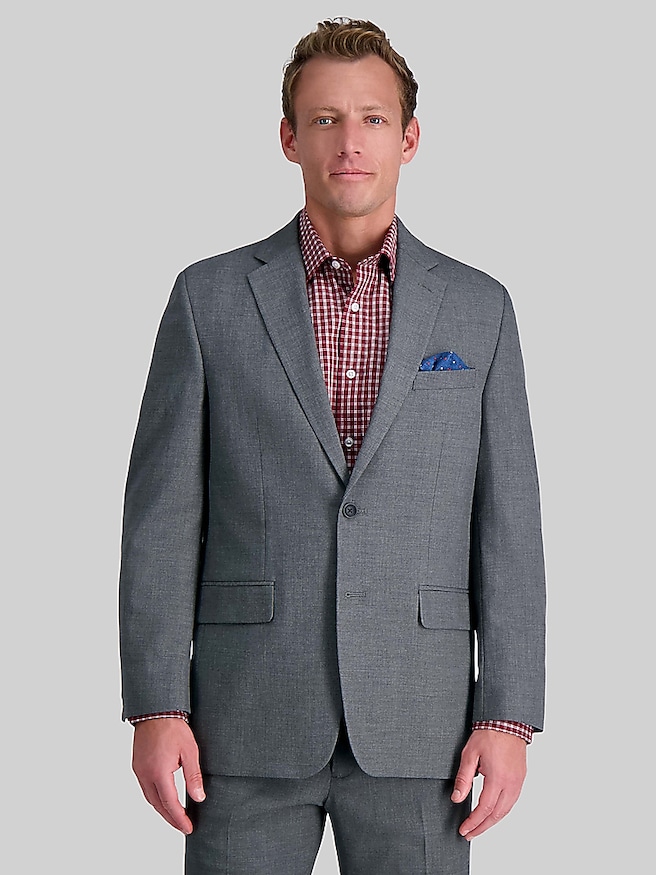
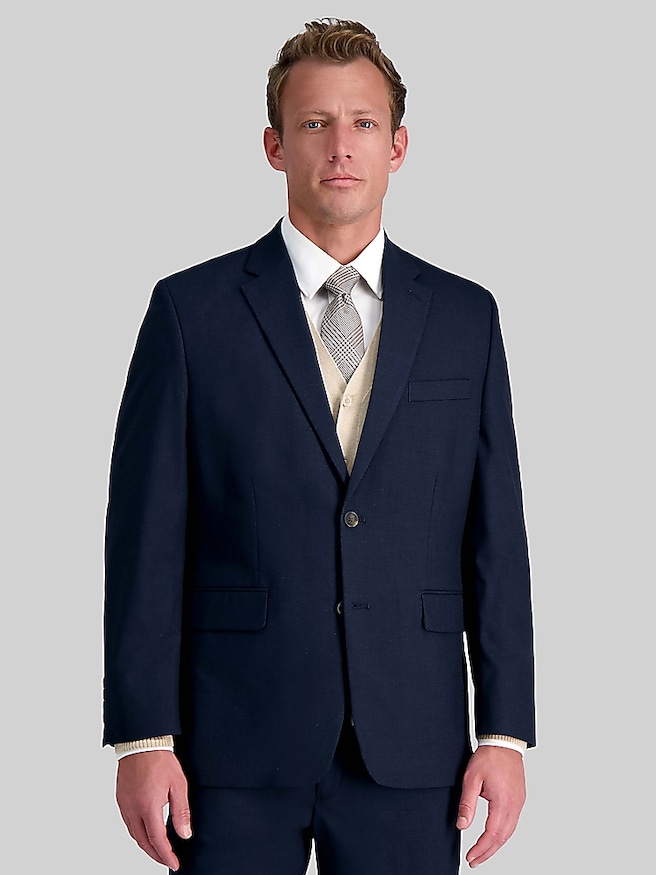
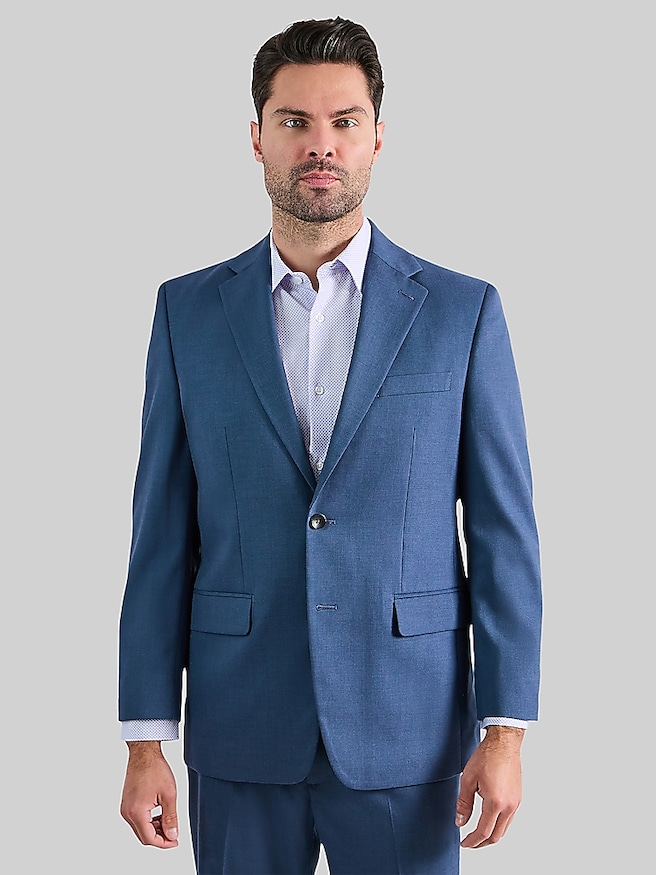
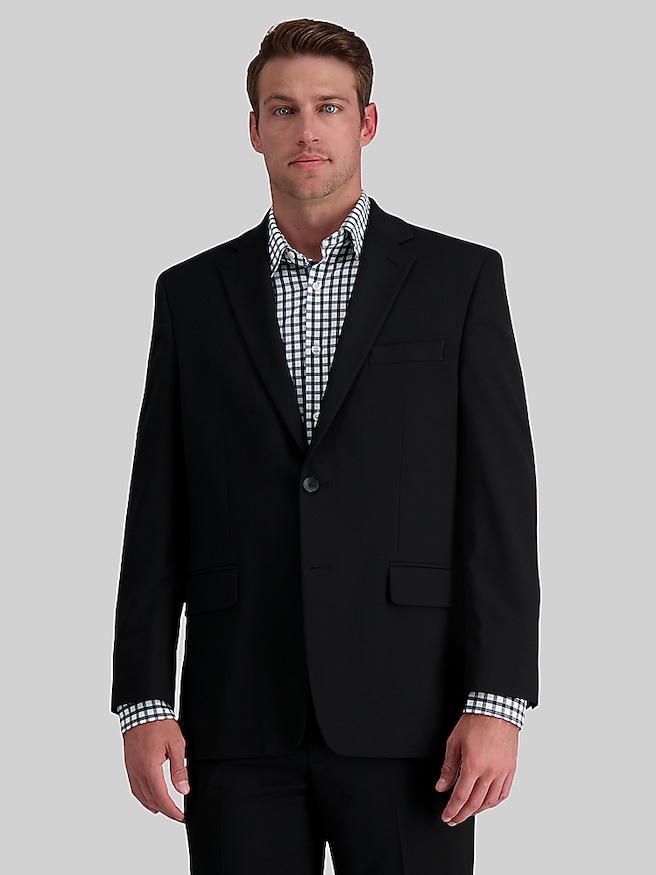
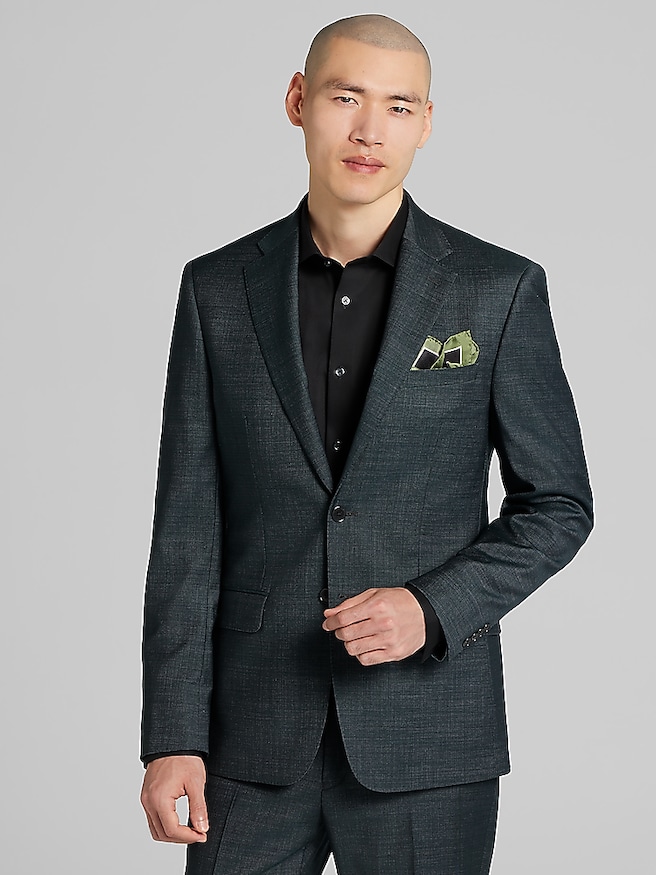
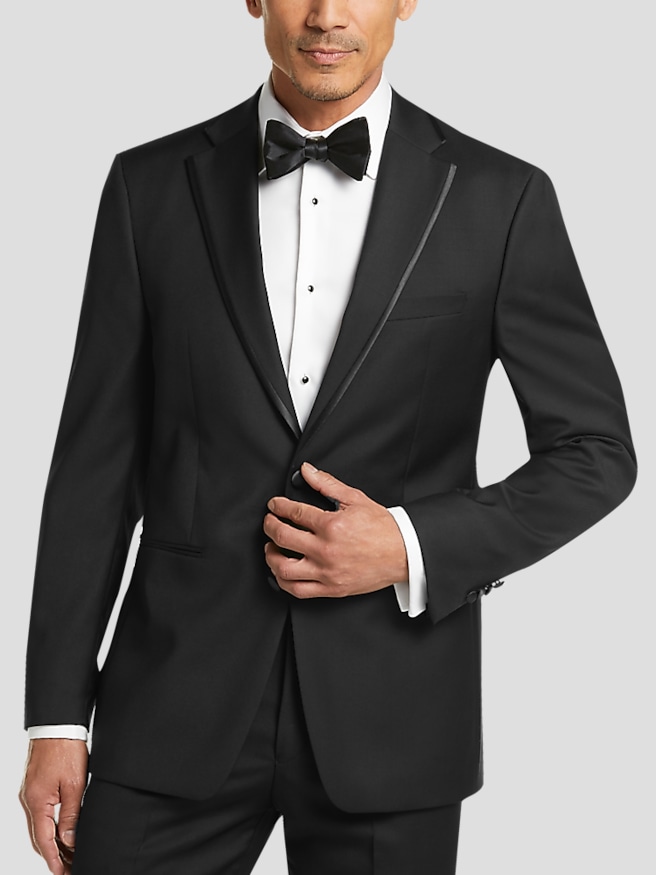
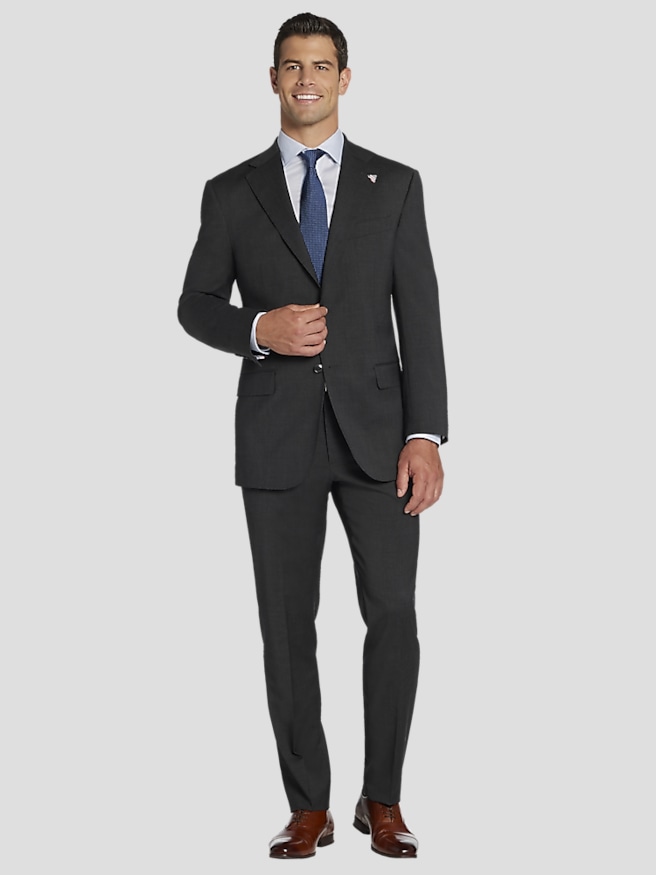
Christmas tuxedos bring the structure of eveningwear to celebrations that call for something more polished than an everyday suit. Satin or grosgrain lapel facings, refined buttons, and trousers with a coordinating side stripe are traditional tuxedo details, while holiday color and texture give the look its seasonal character. Black remains a dependable choice for formal Christmas dinners, evening weddings, and black-tie celebrations, especially with a crisp white dress shirt and black bow tie. Midnight blue offers a similarly understated effect, while burgundy and deep green introduce festive color without relying on novelty motifs. Velvet adds a soft, light-catching surface that feels at home beside candlelit tables and decorated ballrooms; tartan brings pattern and a more expressive holiday mood. These looks serve distinct occasions: a traditional tuxedo suits an invitation that specifies black tie, while a patterned jacket or colorful interpretation may fit a festive cocktail party where the dress code leaves more room for personality. Christmas tuxedos can also mean a complete coordinated ensemble or a holiday interpretation built around a statement jacket, so the relationship between the jacket and trousers matters as much as the color. A matching look creates a continuous line, while contrasting textures draw attention to the upper half of the outfit. For celebrations centered on that approach, Christmas Dinner Jackets offer a closely related expression of holiday eveningwear. A deep red jacket against black trousers, for example, creates a clear focal point without needing a printed shirt or elaborate accessories. Subtle patterns tend to feel more versatile beyond Christmas, while conspicuous holiday motifs suit playful gatherings rather than strict formal dress codes. The most convincing festive outfits have a clear balance: one expressive element, supported by clean lines and quieter details. That balance lets the wearer look celebratory in a family portrait and appropriately dressed when the evening moves to a formal dining room.
Fabric and construction shape how a Christmas tuxedo looks, feels, and holds up through a long celebration. Wool is valued in tailoring for its drape, breathability, and ability to recover from light creasing, making it a practical foundation for evenings that include travel, dinner, and dancing. Wool blends can balance those qualities with added resilience, depending on their composition and construction. Velvet has a directional pile that creates depth as the light changes, though its plush appearance does not automatically mean every velvet jacket provides the same warmth. Fiber content, lining, and fabric weight all affect comfort. A substantial jacket may feel welcoming on a chilly arrival but warmer once the room fills, while a lighter construction can be easier to wear through several hours indoors. Smooth lapel facings provide contrast against textured cloth, and tidy seams, secure buttons, and a lining that lies smoothly contribute to a finished appearance. Fit is equally important, especially when photographs capture the outfit from every angle. Jacket shoulders should sit close to the natural shoulder line without extending noticeably beyond it, and the collar should rest against the shirt rather than leaving a gap. When fastened, the jacket front should lie cleanly instead of pulling into pronounced creases around the button. A close silhouette can look sharp, but there still needs to be enough room to sit at a crowded dinner table, reach for a glass, and move across a dance floor. Fuller cuts can look just as refined when the shoulders, sleeves, and trouser proportions are balanced. Sleeves generally allow a small amount of shirt cuff to show, while trouser hems should meet the shoes neatly rather than gather in heavy folds. Trousers also need a comfortable rise and a waistband that stays in place without pinching after dinner. Alterations can refine sleeve length, trouser length, and some aspects of shape, but a well-fitting shoulder and chest provide the strongest starting point.
The finishing pieces give Christmas formalwear its sense of intention. A white formal shirt keeps burgundy, green, and patterned fabrics looking crisp, while a black bow tie creates a visual connection to dark lapel facings and trousers. With traditional black tie, a self-tied bow tie, restrained pocket square, and polished formal shoes maintain the established character of the outfit. Patent leather brings a glossy finish; well-polished smooth leather can provide a quieter effect where the dress code permits it. A cummerbund or evening waistcoat can cover the waistband in a traditional ensemble, keeping the transition between shirt and trousers visually clean. More relaxed holiday celebrations allow greater flexibility, but combining several bold patterns can distract from the tailoring. A velvet jacket usually needs little additional decoration, and tartan is often strongest beside solid accessories. Practical care helps preserve those details for celebrations beyond a single season. The garment’s care label should determine cleaning methods, particularly when velvet, decorative facings, or multiple fabrics are involved. After wear, a tuxedo benefits from airing in a dry, ventilated space before being returned to storage. A broad, shaped hanger supports the jacket shoulders, while trousers should hang neatly to limit deep creases. Breathable garment storage helps protect the fabric from dust without trapping moisture. Velvet requires particular caution: direct pressure from an iron can flatten its pile, and aggressive brushing can disturb the surface. Delicate lapel facings also deserve careful handling, with a professional cleaner addressing stains or pressing needs when appropriate. Emptying pockets before hanging the jacket reduces strain and helps maintain its shape. For someone who regularly attends formal dinners, holiday galas, or evening weddings, a thoughtfully chosen tuxedo can become part of a lasting occasion wardrobe rather than a Christmas-only outfit. It can also be a meaningful gift when the recipient’s measurements, preferred silhouette, and social calendar are understood. From a host greeting guests at the door to a wedding guest stepping into an evening reception, the appeal lies in clothing that feels festive, fits comfortably, and still looks composed at the end of the night.