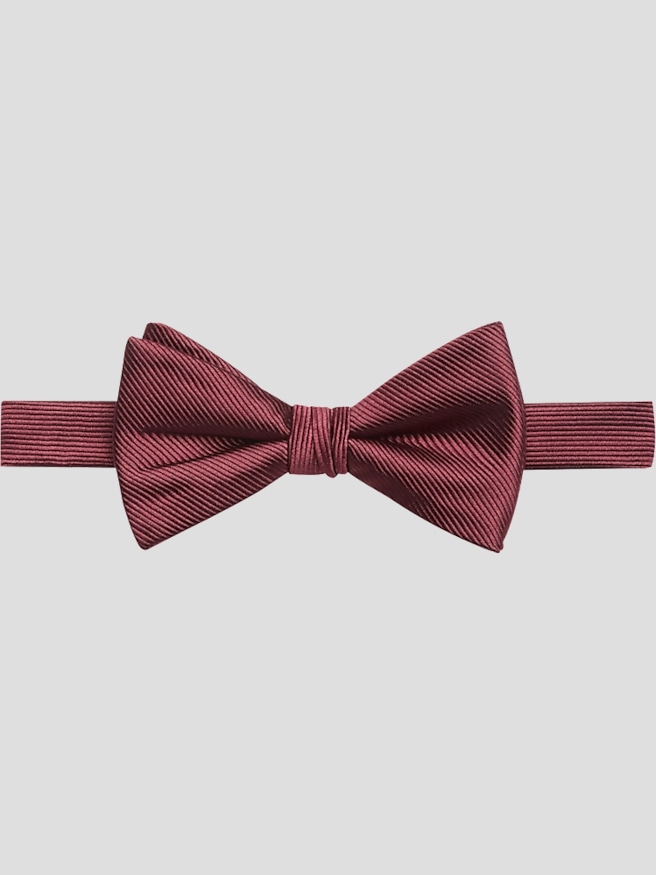
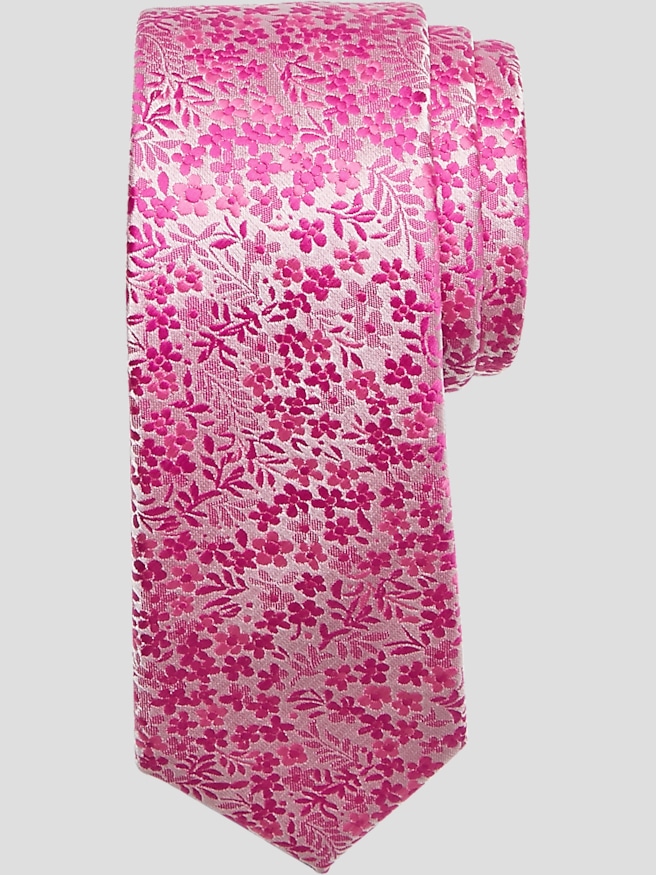
Christmas tie bars are decorative accessories that hold a necktie against a dress shirt while adding a festive detail to a dressed-up outfit. Their purpose is practical as well as visual: a properly attached bar helps keep a tie from swinging forward when someone leans across a dinner table, reaches for a serving dish, or bends down for a family photograph. Unlike a tie pin, a tie bar generally grips the fabric without piercing it. Christmas-inspired details can range from a small tree or snowflake to playful Santa and snowman motifs, with the design setting the tone for the rest of the outfit. A restrained accent against a solid burgundy tie feels appropriate for an office Christmas gathering, while a more expressive motif can bring personality to a family celebration. Silver-tone finishes look crisp against navy, charcoal, and deep green, while gold-tone finishes bring warmth to burgundy, brown, and cream. The most balanced combinations give the eye one clear focal point. A patterned Christmas tie often pairs comfortably with a simpler bar, while a solid or subtly textured tie gives a decorative accent room to stand out. A white or pale blue shirt provides a clean background without competing with the holiday detail. Coordinating the metal tone with a watch case, belt buckle, or cuff links can make the outfit feel considered, although an exact match is not essential. For a Christmas dinner that calls for a suit, a small metallic accent adds personality without changing the character of traditional tailoring. At a less formal gathering, a tie bar can look equally natural with a dress shirt and sport coat. Its appeal lies in that combination of useful function and concentrated detail: the holiday reference occupies only a small part of the outfit, yet remains noticeable in conversation and photographs.
The right proportions depend on the tie itself, not simply on the wearer’s height or jacket size. A Christmas tie bar should remain shorter than the width of the tie at the point where it sits; approximately one-half to three-quarters of that width is a useful visual range. A bar that extends past the edges can look oversized and may catch against a jacket, while a very short bar can appear lost against a broad blade. For outfits built around Christmas Big & Tall Ties, tie length and tie width deserve separate consideration. Extra length helps accommodate a taller frame, a larger neck, or a fuller knot, but it does not automatically call for a longer tie bar. The width of the blade remains the more relevant measurement. Placement also affects both appearance and comfort. The conventional position is between the third and fourth shirt buttons, counting the collar button as the first, where the bar can remain visible above a buttoned jacket. The fastening needs to catch the shirt placket along with the tie rather than merely holding the tie’s layers together; that connection is what keeps the neckwear anchored. A little ease in the fabric above the bar allows comfortable movement without pulling the knot downward. The tie should still hang naturally, with its tip generally meeting the belt area. Clasp style matters, too. A spring-loaded pinch clasp opens to accommodate the fabric, while a slide-on design relies on its shape and tension to hold it in place. Neither should require force or leave the tie visibly crushed. Smooth silk, woven polyester, wool blends, and textured knit ties can differ substantially in thickness, so a comfortable grip is more important than a tight one. With a fitted vest already holding the tie close, an additional bar may be unnecessary; with an open sport coat, its practical benefit is easier to notice.
Materials and construction influence how a Christmas tie bar feels, wears, and holds its appearance over repeated celebrations. Common accessory metals include stainless steel, brass, and other base-metal alloys, sometimes finished with silver-tone or gold-tone plating. Polished surfaces reflect light sharply, brushed finishes look quieter, and antiqued effects can emphasize the texture of a raised design. Enamel can introduce red, green, or white accents without requiring a brightly patterned tie. The finish alone does not establish durability: smooth edges, a well-aligned clasp, and a secure decorative element are meaningful details. A comfortable bar should have no rough surfaces that could snag delicate neckwear, and its fastening should open and close without feeling loose or requiring excessive pressure. Care is usually straightforward but should follow any material-specific directions supplied with the accessory. A soft, dry cloth removes fingerprints after wear, while a separate pouch or compartment helps prevent scratches from cuff links, watches, and other metal accessories. Plated or enamel details generally benefit from gentle handling rather than abrasive polish, soaking, or household cleaners. Removing the bar before putting a shirt or tie through its cleaning routine also protects both the accessory and the fabric. Stored clean and dry, a well-made Christmas tie bar can become a familiar part of holiday dressing rather than a detail worn only once. That lasting usefulness makes the category a thoughtful gift for a father, brother, partner, friend, or colleague who enjoys wearing ties. A recipient who favors understated suits may appreciate a small seasonal accent, while someone known for lively Christmas neckwear may enjoy a more playful design. Matching the gift to an established style makes it feel personal without requiring exact clothing measurements. Whether worn for a Christmas service, a workplace celebration, or a long family dinner, the strongest choice combines a comfortable hold, suitable proportions, and a festive detail that feels like the person wearing it.