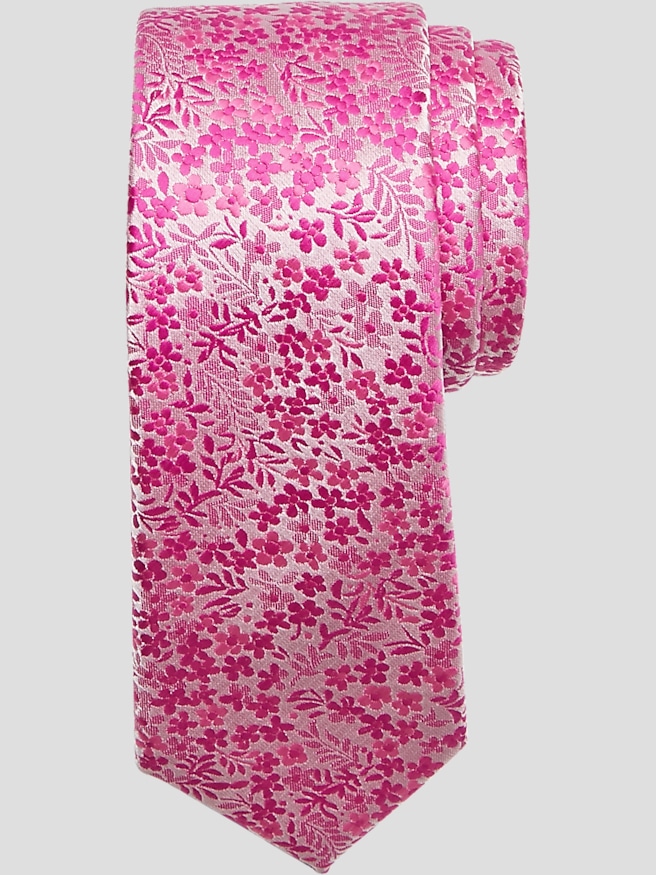
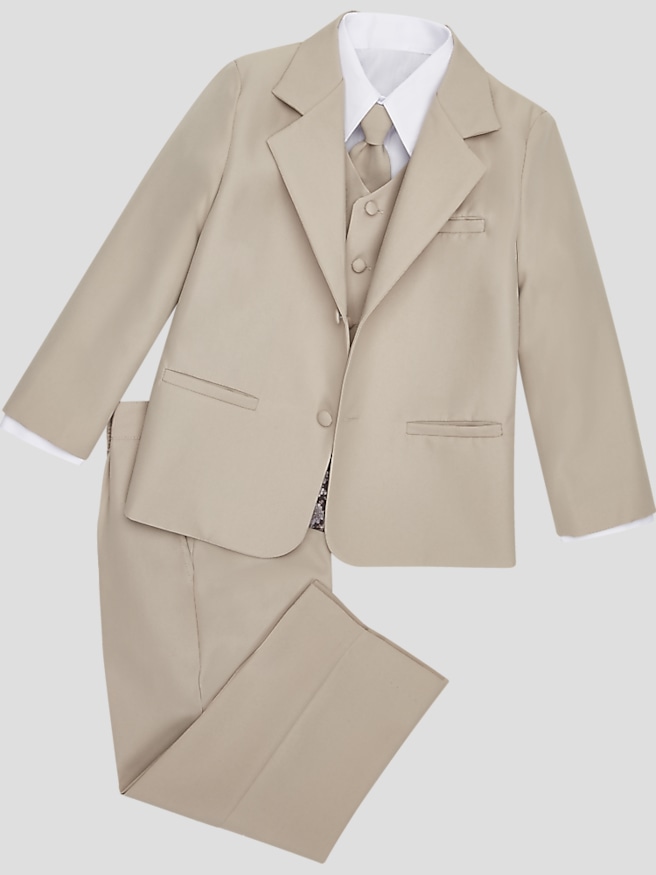
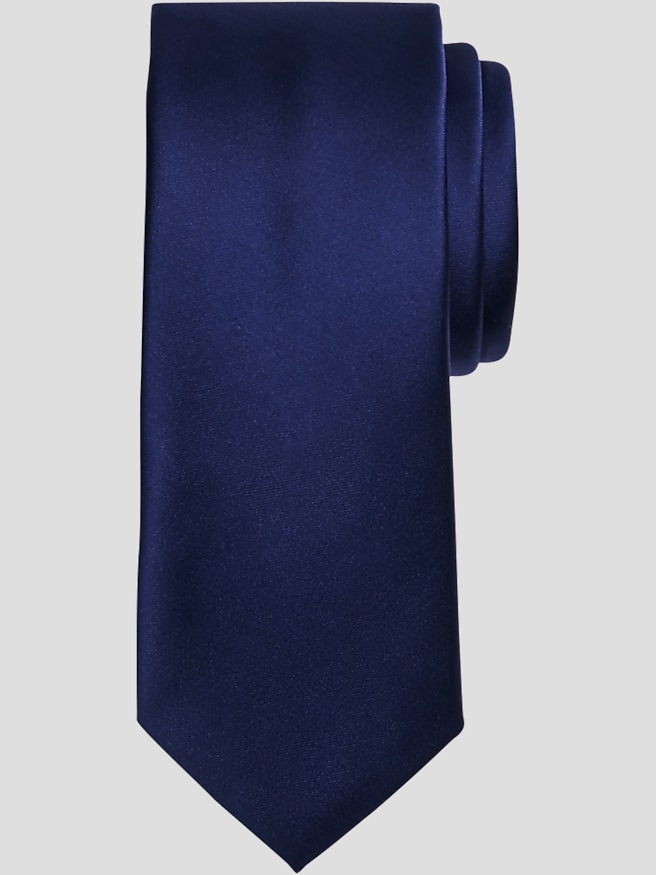
Children’s dress ties bring a finished look to outfits for weddings, school concerts, religious celebrations, family portraits, and other occasions that call for something more polished than everyday clothes. Sized for smaller frames, they create balance between a shirt collar, jacket lapels, and the rest of the outfit without the extra length or bulk of adult neckwear. The main styles include self-tie neckties, clip-on ties, zipper ties, and bow ties, each with its own advantages for getting dressed and staying comfortable. A self-tie necktie allows the knot and finished length to be adjusted, making it a practical choice for older children who enjoy putting together their own outfits. Clip-on ties attach at the collar and keep a formed knot, while zipper ties use a concealed mechanism to adjust a pre-tied style. Pre-tied bow ties provide a compact alternative, especially with formal clothing or a shirt and vest. For a young wedding attendant who needs to be dressed before an early photo session, an easy fastening can make the morning smoother; for a student preparing for a first concert, a traditional necktie can feel like a meaningful step toward dressing independently. Color and pattern help set the tone. Navy, burgundy, charcoal, and black work easily with many dress shirts and suits, while softer shades can echo a wedding palette without making every accessory identical. Stripes add definition to a plain shirt, small dots offer a little personality, and a solid tie lets a checked shirt or textured jacket remain the focus. In group photographs, coordinating colors often look more natural than matching every detail. A child’s tie might pick up a shade from another person’s outfit while retaining a width and pattern scale suited to the child. For celebrations with a formal dress code, Childrens Tuxedos provide context for choosing neckwear that complements the jacket, shirt front, and overall level of formality.
Fit matters as much as color because a tie sits at the center of an outfit, where an oversized knot or excessive length is easy to notice. Children’s necktie sizing depends on height, torso length, collar size, and tie construction, so age ranges are best treated as starting points rather than exact rules. When worn with trousers at their intended waist position, a traditional necktie generally looks balanced with its tip near the waistband. A tie that falls far below that point can overwhelm a small frame, while one that ends well above it may look outgrown. The width should feel proportional to the child’s chest and jacket lapels, and the knot should fit within the collar rather than pushing the collar points outward. A small, straightforward knot often works well with a youth dress shirt because it avoids unnecessary bulk under the chin. For pre-tied styles, the stated length may describe the finished tie rather than the full fabric length of a self-tie version; those measurements are not directly interchangeable. Adjustable neckbands also have their own fit ranges, making both tie length and neck size relevant. Comfort begins with a shirt collar that closes properly without pinching, followed by neckwear adjusted neatly rather than tightly. A quick outfit check while the child sits, turns, and raises their arms can reveal a collar that rubs or a fastening that needs attention before a long ceremony. Bow ties should sit centered at the collar and look proportional to the face, without extending so broadly that they dominate the outfit. Younger children benefit from adult help with fastenings, and neckwear belongs with supervised dress occasions rather than sleep or active play. For siblings of varying ages, choosing the same color in appropriately sized ties usually creates a better result than expecting one size to suit everyone. A well-proportioned tie should remain a quiet finishing touch through the seated portraits, the walk down the aisle, and the family dinner afterward.
Fabric influences how children’s dress ties look, feel, and hold up to repeated wear. Silk can provide a rich surface and a fluid drape, with a sheen that varies according to the weave. Polyester and microfiber are common choices for regular occasions because they can offer a smooth finish and resist wrinkling, although care requirements still depend on the construction and label. Cotton tends to have a more understated appearance, while textured weaves can soften the contrast between a crisp shirt and a tailored jacket. Satin describes a weave rather than a fiber, so a satin tie’s shine alone does not establish its material or cleaning needs. Smooth, lustrous fabrics tend to suit dressier celebrations; matte finishes often feel at home with school uniforms, daytime ceremonies, and outfits built around a blazer. During the cooler months, a subtly textured tie can sit comfortably alongside a wool jacket or fine-gauge sweater without looking overly heavy. Durability comes from more than fabric alone: neat stitching, secure attachments, and a knot that keeps its shape all contribute to repeated use. Care is especially important for ties worn through meals and busy gatherings. Blotting a small spill promptly is gentler than rubbing it into the fabric, and the care label should determine whether cleaning can happen at home or requires professional attention. Machine washing is appropriate only when expressly permitted; a washable fiber does not necessarily mean the finished tie can go through a wash cycle. Self-tie styles benefit from being carefully unknotted after wear rather than pulled loose, while pre-tied styles should be stored without crushing the knot or stressing the closure. Keeping neckwear away from loose shoes and sharp accessories in a travel bag helps preserve its finish on the way to an event. As a gift, a dress tie can mark a milestone such as a first performance or a special family celebration, particularly when its color reflects the child’s taste. The most useful choice balances that personal detail with a comfortable fit, manageable care, and enough versatility to become part of more than one memorable outfit.