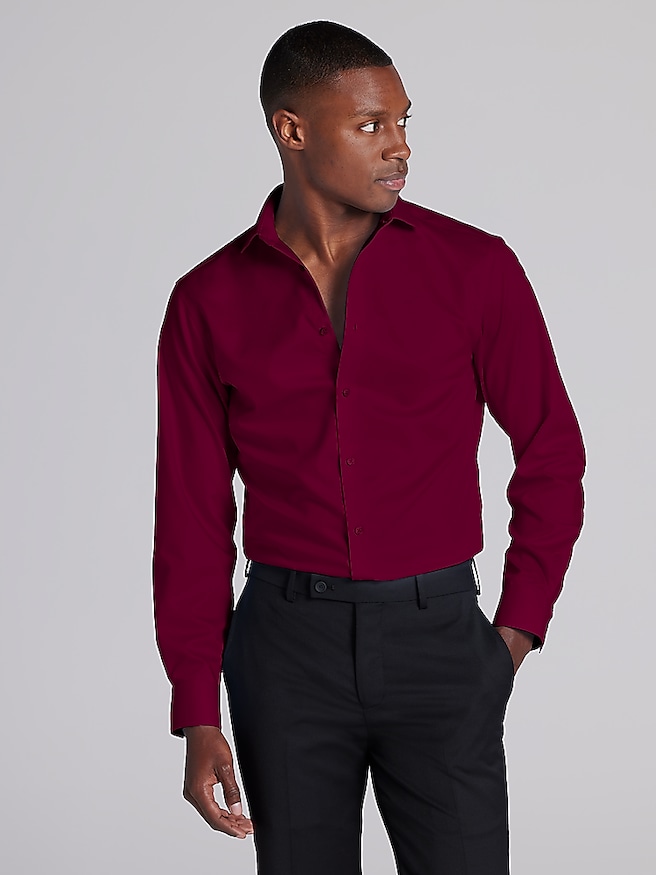
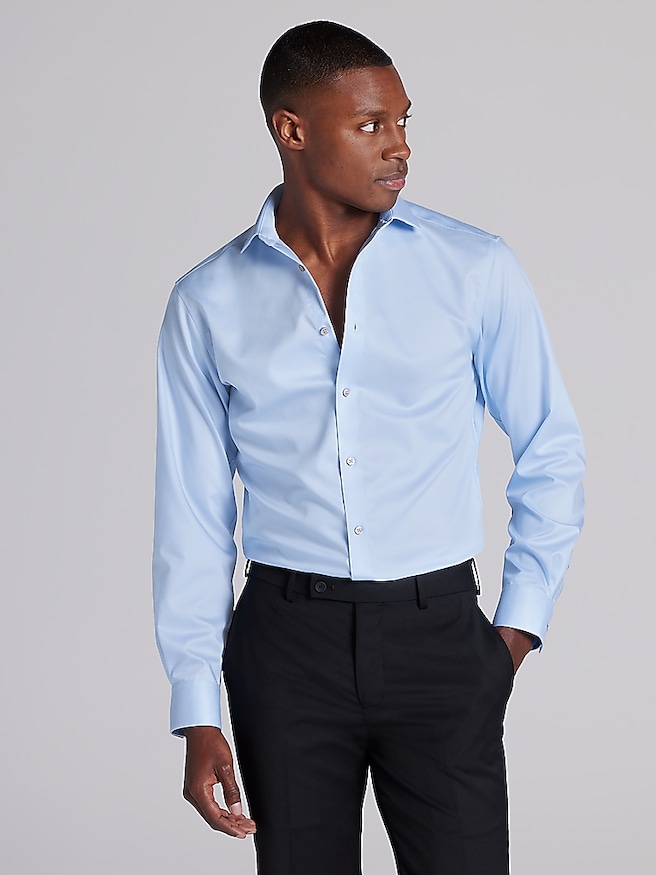
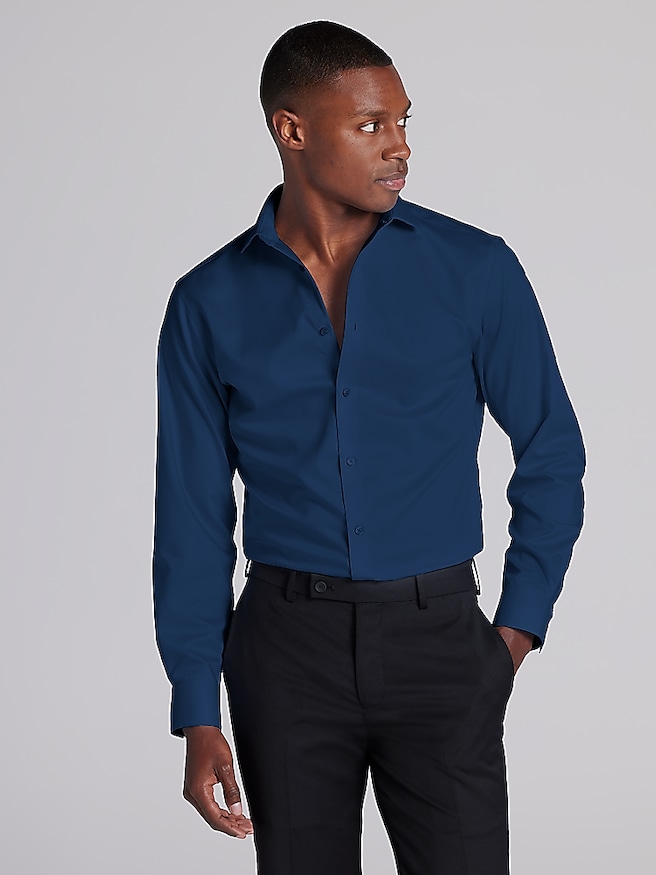
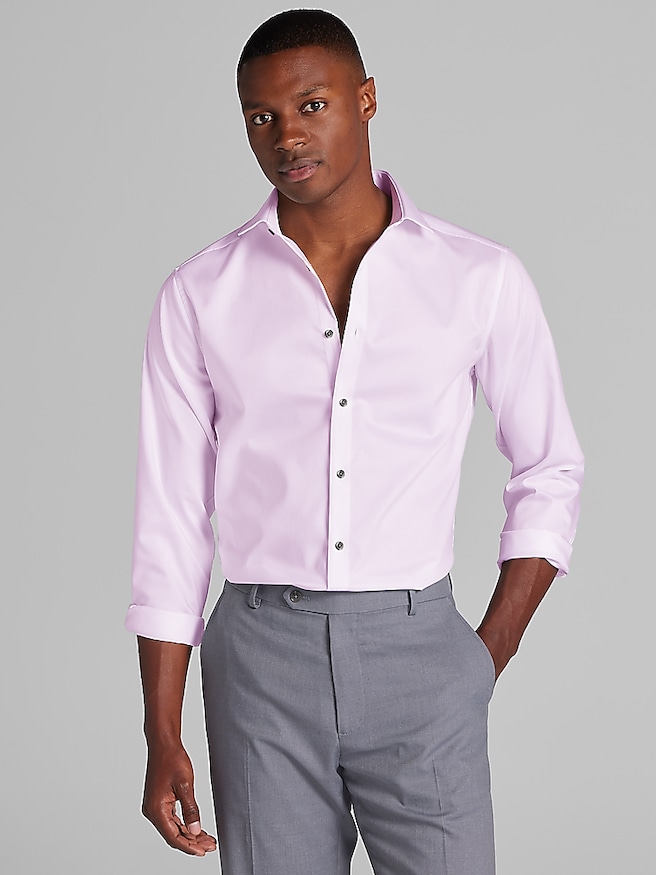
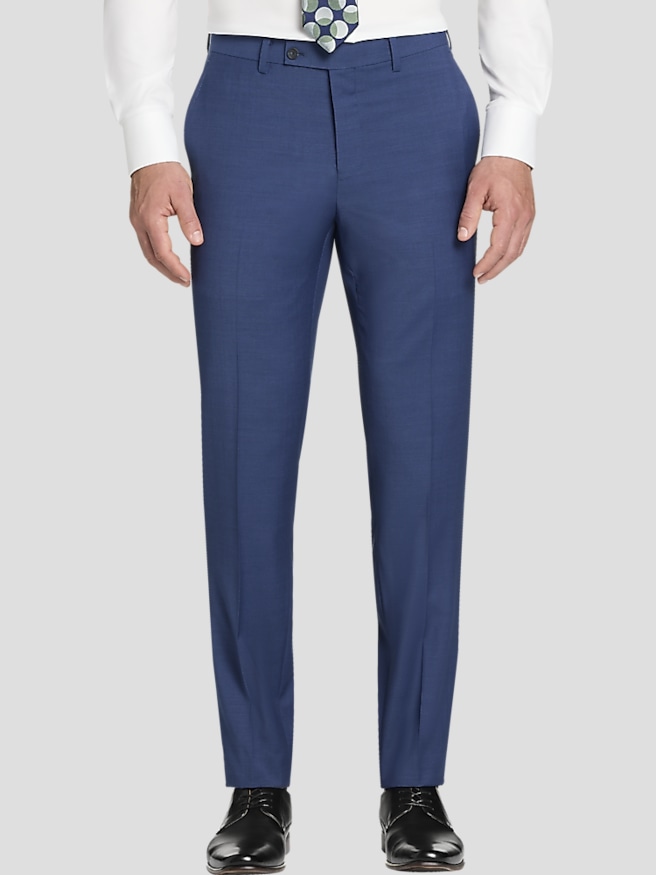
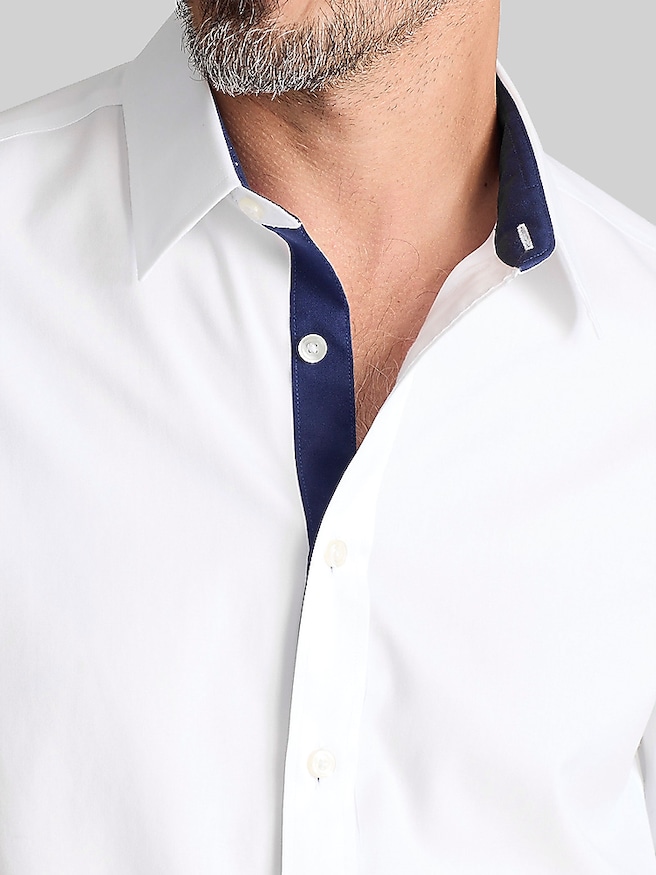
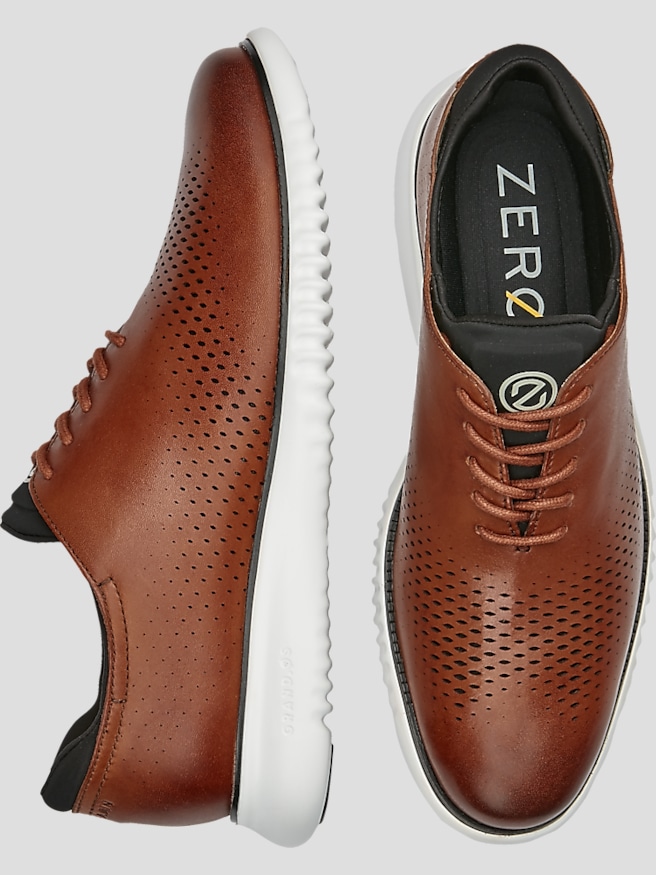
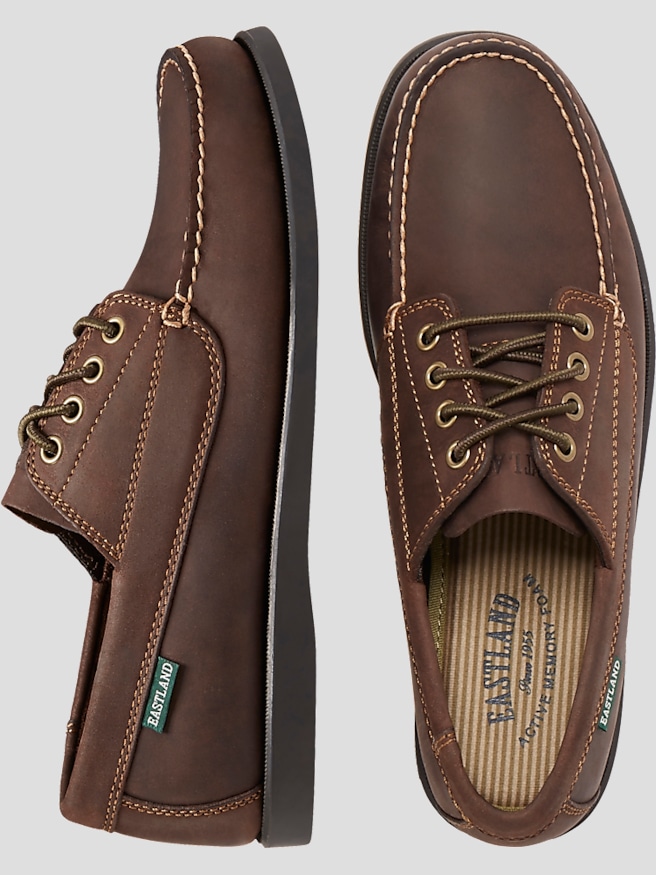
Charity event outfits can range from polished formalwear to relaxed smart-casual layers, so the invitation is the best place to begin. A black-tie gala generally calls for a tuxedo, a crisp formal shirt, a bow tie, and well-polished dress shoes, while a black-tie optional event allows a classic dark suit to take the place of traditional eveningwear. For a cocktail reception, fundraising dinner, or awards program, a well-tailored navy, charcoal, or black suit creates a dependable foundation. Pair it with a dress shirt and coordinating tie for a refined finish, or choose an open collar when the invitation suggests a more relaxed atmosphere. Business attire often follows a similar formula, with a structured suit or tailored separates offering a professional appearance without feeling overly formal. When the dress code is listed as festive, creative, or semi-formal, use color and texture thoughtfully while keeping the overall look neat and intentional. A rich blue suit, subtle pattern, textured jacket, or warm-toned tie can add personality without competing with the occasion. For charity luncheons, volunteer receptions, and daytime gatherings, lighter shirts, tailored trousers, chinos, and an unstructured blazer can feel appropriate, especially in settings where guests will move between indoor and outdoor spaces. Outdoor walks, community fundraisers, and sporting events call for smart layers that remain comfortable through changing conditions, such as a clean polo or button-down shirt under a lightweight jacket, paired with pressed trousers or chinos and comfortable, well-kept shoes. The goal is to look respectful and put together while choosing clothing that suits the venue, time of day, expected activity, and level of formality.
The right charity event outfit should also make it easy to participate with confidence. Consider how long the event will last, whether there will be standing, walking, dining, or photographs, and whether the venue will be warm indoors and cooler outside. A suit or tuxedo should allow comfortable movement through the shoulders and arms, with sleeves and trouser hems ending at a clean, balanced point. A dress shirt should sit smoothly at the collar and chest without pulling, while trousers should rest neatly at the waist and break naturally over the shoes. Fit matters even more than color: a simple navy suit that sits correctly will look more polished than a more elaborate outfit that feels loose, tight, or difficult to move in. During the cooler months, an overcoat, refined scarf, or discreet layer can make the journey to an evening benefit more comfortable without disrupting the formality of the outfit. Choose fabrics and colors with the setting in mind; darker tones and subtle textures transition easily from a formal dinner to a reception, while lighter shades and breathable materials suit daytime occasions or venues with an outdoor component. Accessories should support the look rather than overwhelm it. A coordinated belt, understated pocket square, classic watch, and clean dress shoes can bring the outfit together, while a tie or bow tie provides an easy way to match the tone of the event. When shopping for an outfit that may serve more than one occasion, prioritize versatile colors, timeless cuts, and pieces that can be worn separately. A tailored jacket can be paired with dress trousers for a formal dinner or chinos for a less structured gathering, and a well-fitted dress shirt can move from a daytime luncheon to an evening reception with a change of tie and shoes. Shoppers selecting a gift for a graduate, wedding party member, new professional, volunteer, or frequent event attendee may find versatile formalwear especially useful, since it gives the recipient a reliable option for fundraisers, interviews, celebrations, and other meaningful occasions. For more inspiration when choosing an outfit for a social gathering, explore Date Attire for additional ideas on balancing polish, comfort, and personal style.
Charity events often bring together people with different roles and expectations, from longtime donors and board members to first-time attendees, volunteers, speakers, and event hosts. Clothing can help communicate respect for the organization and the people it serves, while still allowing personal style to feel natural. A host or speaker may prefer a traditional suit in a dark neutral shade that looks composed under bright venue lighting, while a guest attending a casual benefit may feel more comfortable in tailored trousers, a collared shirt, and a blazer. Those helping with registration, auctions, or outdoor activities should pay particular attention to comfort and practical movement, choosing layers that can be adjusted and shoes suitable for time on their feet. If the invitation provides little guidance, a dark suit with a light or white dress shirt is a dependable choice for evening events, and a blazer with tailored trousers works well for many daytime or semi-formal occasions. Women attending charity events may choose a floor-length gown or refined evening dress for the most formal galas, a cocktail or midi dress for semi-formal receptions, or polished separates and comfortable flats for daytime gatherings and outdoor fundraisers. Whatever the style of the outfit, clothing should be clean, pressed, properly fitted, and appropriate to the organization and venue. It is also helpful to plan for photographs, crowded reception spaces, and transitions between a ceremony, dinner, and after-event gathering. A coordinated outfit in a comfortable fabric can keep the focus on conversation, connection, and the cause being supported. With the right balance of formality, fit, and ease, charity event outfits can help guests feel prepared for every part of the occasion, from greeting fellow supporters at the door to sharing a meal, hearing inspiring stories, and making a lasting contribution.