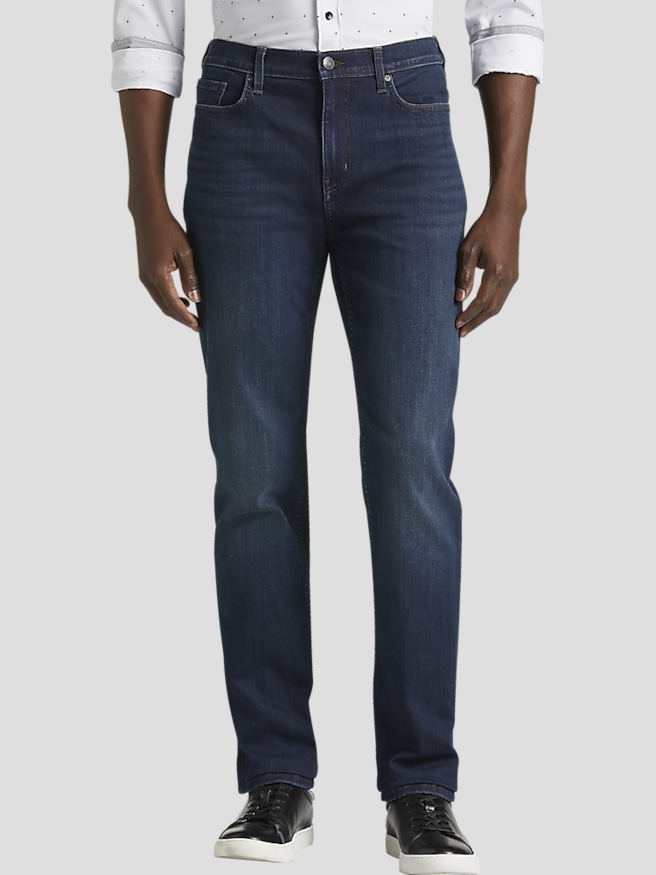
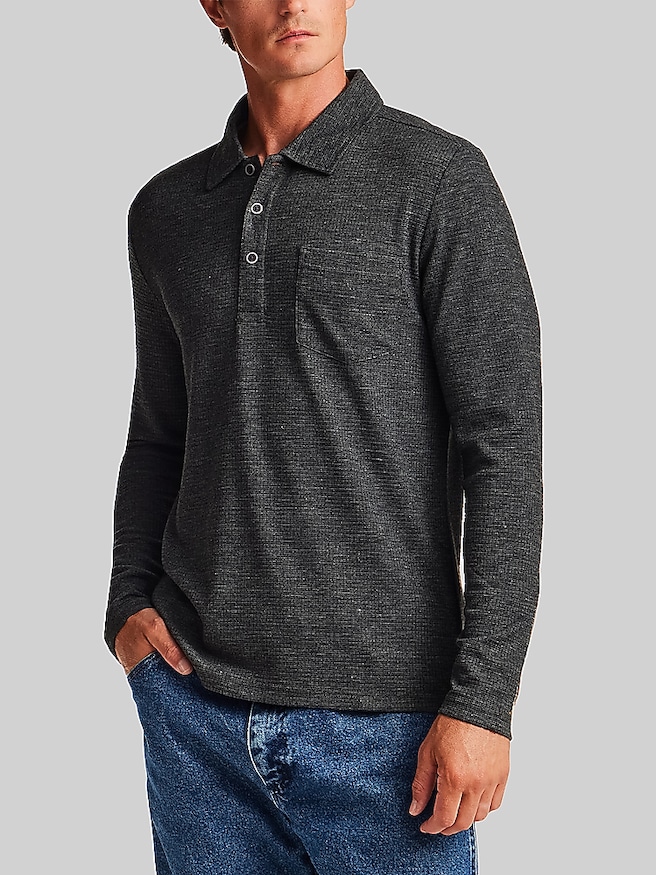
Casual outfits for travel combine comfortable fabrics, easy movement, and a put-together appearance that works beyond the airport or highway rest stop. The most useful pieces feel relaxed through hours of sitting without looking overly loose once the trip moves on to a restaurant, a hotel lobby, or an afternoon of sightseeing. That balance often comes from familiar clothing categories: soft knit tops, casual button-front shirts, stretch chinos, comfortable denim, and unstructured layers. A smooth polo has enough definition at the collar to look finished on its own, while a simple crewneck offers a clean foundation beneath an overshirt or casual jacket. Pants with a comfortable waistband and room through the seat and thighs make a noticeable difference when settling into an airplane seat or getting in and out of a car. A straight or gently tapered leg keeps the silhouette neat without gripping the calves. For men traveling between a work appointment and personal plans, understated colors and minimal detailing help casual clothing feel appropriate in several settings. Navy, charcoal, olive, and stone are easy to combine, and subtle textures bring interest without making an outfit difficult to coordinate. Comfort also depends on the details that become apparent after several hours: a collar that sits smoothly, seams that do not rub beneath a shoulder strap, and a hem that stays in place when reaching for an overhead compartment. Shirts that look intentional untucked offer another practical advantage, especially when the itinerary includes frequent stops. Travel clothing does not have to look athletic to allow movement, and it does not need sharp tailoring to look considered. The strongest combinations sit comfortably between those extremes, with enough structure to retain their shape and enough ease to accommodate a full day away from home. An outfit that still feels comfortable at the baggage carousel should also look at ease when the bags are dropped off and the day continues.
Fabric composition helps explain why two similar-looking travel outfits may feel quite distinct in use. Cotton offers familiar softness and breathability, with variations in weight and weave that range from smooth jersey to substantial twill. Cotton-rich blends may add stretch, improve shape retention, or reduce some of the creasing associated with extended sitting, depending on their construction. A small amount of elastane can give pants or shirts additional flexibility, although stretch alone does not compensate for a fit that is too tight. Polyester and nylon blends are often used in performance-oriented clothing because they can offer durability and faster drying, while moisture-management features depend on the fabric and any applied finish. Merino wool knits can provide a soft, refined option, with care requirements that deserve attention before they become part of a frequent travel rotation. Fabric weight matters for packing as well as wearing: a less bulky knit generally occupies less suitcase space, while a denser weave may offer more structure and coverage. Smooth, compact fabrics can also be easier to layer than heavily textured pieces that catch against one another. Fit remains just as important as fiber content. Shoulder seams should sit comfortably, sleeves should allow an easy bend at the elbow, and pants should have enough room to sit without the waistband digging in. Excess fabric can bunch beneath a seat belt or collect at the ankles, so a relaxed feel does not necessarily require an oversized cut. Care labels provide the most reliable direction for washing, drying, and ironing. Machine-washable clothing can be convenient for repeated trips, but drying methods and laundering frequency affect how well garments maintain their dimensions and finish. Wrinkle-resistant fabric is not necessarily wrinkle-free, particularly after tight packing. Clothing packed with fewer hard folds may need less attention on arrival, and prompt hanging can help some light creases relax. Reinforced pocket openings, secure buttons, and evenly finished seams are useful signs of construction designed to handle repeated wear, laundering, and the friction of luggage straps.
A practical travel wardrobe earns its space by working in more than one combination. A casual shirt that pairs equally well with chinos and denim offers more flexibility than a piece tied to a single outfit. Coordinated separates also make it easier to change the character of an outfit without packing an entirely new one: a knit top can feel relaxed on the road, then look more finished beneath an unstructured jacket at dinner. For travelers who favor denim, jeans for travel bring a familiar appearance to the same priorities of comfortable movement, manageable bulk, and lasting shape. Softer denim with measured stretch can feel less restrictive during extended sitting, while a consistent wash makes it easier to coordinate with several tops. Pocket placement and capacity deserve consideration across travel pants, since a phone or wallet should not create uncomfortable pressure when seated. Secure closures can be useful for small essentials, although overfilled pockets add bulk and interrupt the fit. Footwear completes the outfit in both appearance and function. Supportive casual shoes with a secure fit suit long terminal walks and time spent standing, while a simple profile works with a wider range of pants. Even a well-chosen shoe needs enough room through the toe and a stable heel; a long travel day is rarely the ideal first outing for an unfamiliar fit. These clothing qualities matter to frequent flyers, road-trip regulars, weekend visitors, and anyone whose plans involve moving between transit and everyday activities. They also make travel-ready casual clothing a thoughtful gift for a man who values comfort but prefers a neat appearance. Familiar sizing, preferred fits, and realistic care habits are more useful considerations than an ambitious change in personal style. The result is clothing that feels recognizable from the first wear and remains useful after the suitcase is unpacked, whether the next stop is a family visit, a casual meal, or an ordinary day closer to home.