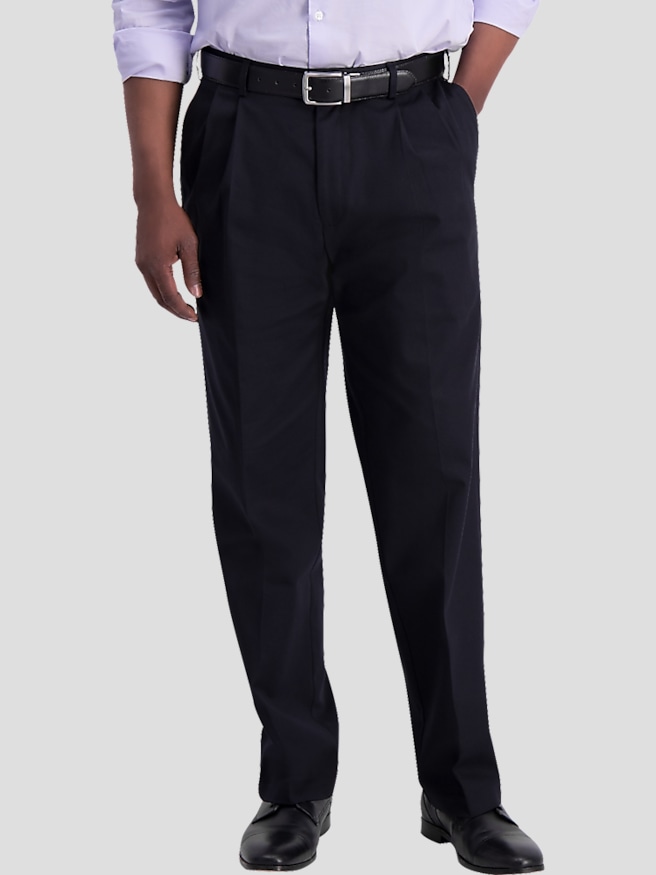
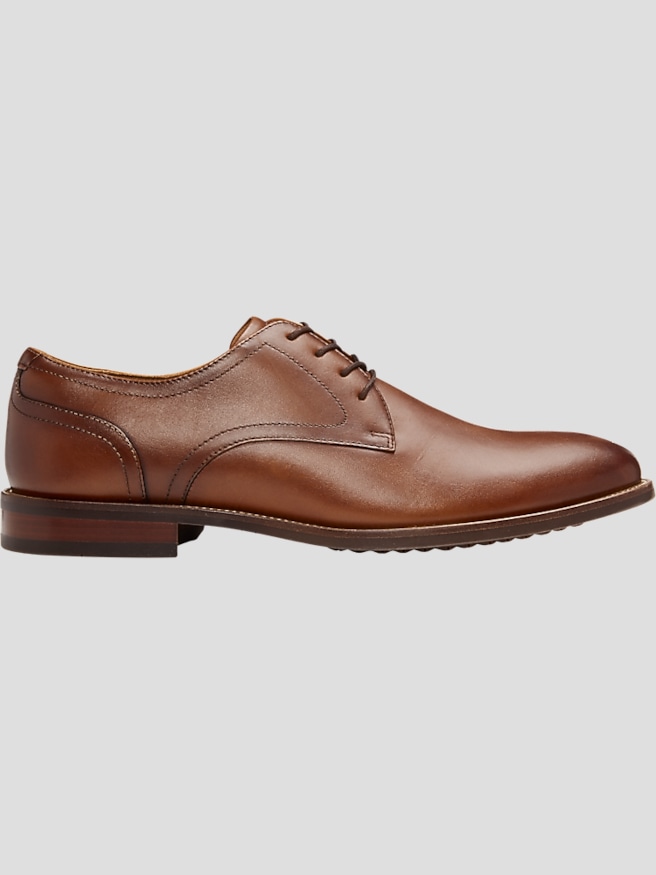
Casual formal wedding attire brings together the polish of tailored clothing and the ease of a less structured outfit. The look typically centers on a suit or a sport coat with dress trousers, finished with a collared shirt and refined shoes. It often overlaps with dressy casual, but the invitation remains the best reference: a semi-formal celebration may call for a suit and tie, while a more relaxed dress code can leave room for an open collar and coordinated separates. The distinction is in the finish rather than the amount of decoration. A jacket that sits cleanly across the shoulders, trousers with a smooth drape, and well-kept leather shoes make an outfit feel intentional without making it look overly ceremonial. Navy, charcoal, medium gray, and tan provide versatile foundations, while subtle checks and textured weaves add character without overwhelming wedding photographs. A solid shirt helps balance a patterned jacket; a restrained stripe can bring interest to a plain suit. For a ceremony followed by dinner and dancing, the same outfit needs to look composed while standing, sitting, and moving. Softly constructed jackets and trousers with comfortable room through the seat and thigh support that balance. A tie adds definition when the occasion calls for it, but an open collar can still look finished when the shirt holds its shape and the jacket fits properly. Dress chinos can work for an explicitly relaxed celebration, although tailored dress trousers generally create a more formal impression. Clean leather loafers, derbies, or oxfords complete the look without drawing attention away from the occasion. For wedding guests, close relatives, and members of the wedding party, these pieces offer a way to honor the setting while keeping personal style visible. Wedding-party attire should follow the couple’s requested colors and level of formality, rather than relying on the dress code alone. The result is clothing that feels appropriate beside a dressed-up table setting, in group portraits, and on the dance floor, with enough versatility to wear again for other celebrations.
Fabric and construction have a noticeable effect on how casual formal wedding clothing looks and feels over several hours. Wool offers a graceful drape and natural resilience, making it a dependable choice for suits and trousers that need to retain a tailored appearance. Cotton brings a more relaxed surface, while linen contributes visible texture and a characteristic tendency to crease; that lived-in finish suits some celebrations better than others. Blended fabrics can combine qualities such as softness, shape retention, and stretch, although the exact fiber content and construction matter more than a broad fabric label. A touch of stretch can make sitting through a ceremony or taking a long stride more comfortable, but it cannot compensate for clothing that is too tight. Jacket shoulders should lie smoothly without extending noticeably past the natural shoulder line. The chest should close without pulling, and the collar should rest neatly against the shirt rather than standing away from the neck. Sleeves can leave a small amount of shirt cuff visible, while trouser hems should meet the shoes cleanly without excessive bunching. The right fit also depends on proportions: a slim silhouette should still allow movement, and a roomier cut should look deliberate rather than oversized. Shirt fabric deserves similar attention. Smooth cotton poplin has a crisp appearance, while a fine twill introduces a subtle texture that works well beneath a jacket. A collar with enough structure helps an outfit stay polished when a tie is omitted. Comfortable armholes, a secure waistband, and pockets that lie flat are small details that become important during a full wedding celebration. Care supports both appearance and longevity. Follow each garment’s care label, use a shaped hanger for jackets, and hang trousers neatly after wear. Brush away surface dust and address marks promptly using methods appropriate for the fabric. Pressing or steaming should also follow the label, since excessive heat can damage fibers or create unwanted shine. Regularly wiping and conditioning leather shoes, as appropriate for their finish, helps preserve the details that make the whole outfit look considered.
The setting gives casual formal wedding attire its final direction. A restaurant reception with linen-covered tables may suit a dark jacket, tailored trousers, and a quietly patterned tie, while a relaxed gallery celebration can accommodate an open-neck shirt and more visible fabric texture. For a celebration by the water, Casual Beach Wedding Attire explores a related approach to dressing for a less traditional wedding setting. In every case, the venue and invitation should carry more weight than assumptions about what “casual” allows. Denim, athletic clothing, and visibly worn footwear can undermine an otherwise thoughtful outfit unless the couple has specifically requested them. Accessories work best when they support the clothing rather than compete with it. A simple leather belt can connect the trousers and shoes, while side-adjuster trousers offer a clean alternative when a belt is unnecessary. Shoe and belt colors do not need to match perfectly, but they should feel harmonious. A pocket square adds a small point of contrast; it does not need to duplicate the tie’s pattern. Socks that complement the trousers help maintain a continuous line when seated, and understated cuff links belong with shirts designed to accommodate them. These choices are especially useful for guests moving between a ceremony, photographs, dinner, and dancing without an outfit change. They also make tailored separates practical beyond the wedding itself: a jacket can accompany dress trousers for an anniversary dinner, and a well-fitting shirt can anchor an engagement-party outfit. For the person wearing the clothing, confidence often comes from those ordinary details being settled beforehand—a collar that stays in place, shoes that have been worn enough to feel comfortable, and a jacket that does not restrict a handshake or embrace. Casual formal wedding attire is most successful when the overall impression is respectful, relaxed, and complete, with each piece contributing to an outfit that feels natural to wear and appropriate to the celebration.