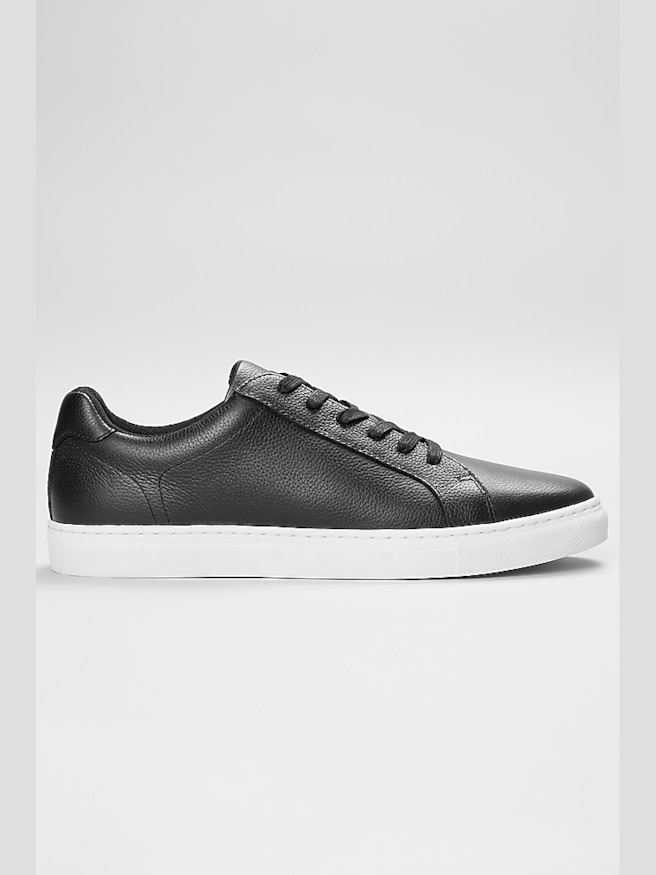
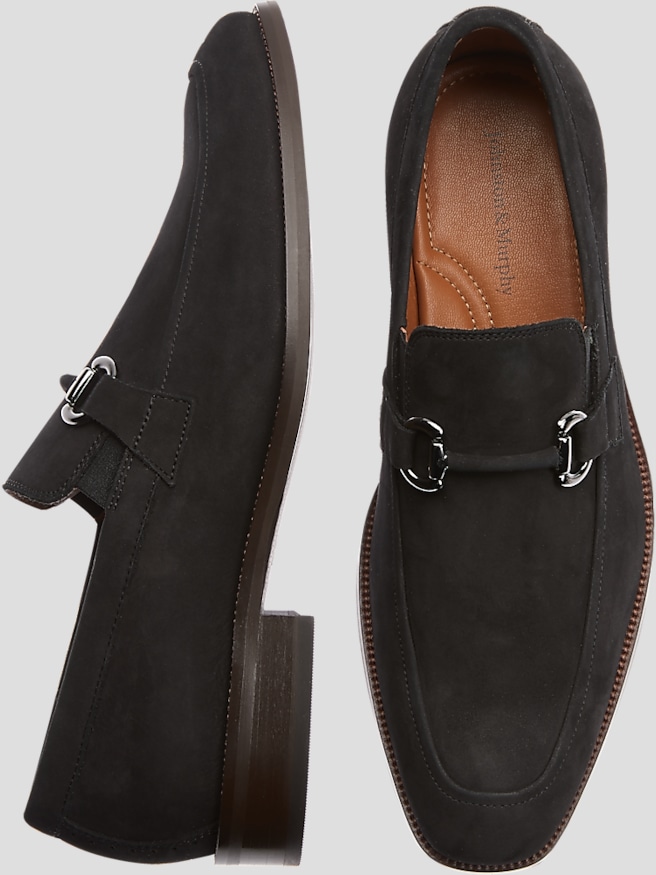
Casual driving shoes are low-profile slip-ons with flexible soles and soft uppers, designed to offer a close feel underfoot and an easygoing alternative to structured dress shoes. Often inspired by moccasin construction, they typically feature stitching around the toe, a rounded or softly squared shape, and rubber pods or sections along the sole. Some designs extend that rubber up the back of the heel, where it can help limit scuffing as the foot rests against the floor of a car. Their appeal reaches beyond time behind the wheel: the streamlined silhouette works well for a lunch reservation, a casual office, or a short walk between stops on a day out. Leather and suede give the same basic shape distinctly different personalities. Smooth leather has a clean surface that can look polished with chinos and a tucked-in shirt, while suede adds a softer, textured finish beside denim or cotton trousers. Pebbled leather introduces visible grain and can make minor surface marks less noticeable than they would be on a very smooth finish. The upper should feel supple without seeming flimsy, with neat stitching and a secure connection between the sole and the body of the shoe. A restrained vamp keeps the look simple; a strap, tie, or small metal detail adds definition without turning the shoe into formal footwear. Brown, tan, navy, and black each offer useful styling options, with the best choice depending on the trousers and belts already in a wardrobe. A brown pair can soften the appearance of dark denim, while black creates a cleaner line with charcoal chinos. Trouser length matters, too. A hem that rests lightly near the top of the shoe lets the low profile show rather than burying it beneath excess fabric. For a relaxed dinner, an unstructured jacket and an open-collar shirt can give driving shoes enough context to look intentional without making the outfit feel dressed up for its own sake.
Fit is especially important in casual driving shoes because most styles rely on the shape of the upper rather than laces to hold the foot in place. The heel should stay comfortably seated, the instep should feel supported without pressure, and the toes should have room to lie naturally. A flexible upper may ease with wear, but noticeable pinching or toes pressed against the front are not signs of a fit that simply needs more time. Length alone does not settle the question: a shoe can have enough space at the toe and still feel too shallow across the instep or too narrow at the ball of the foot. Conversely, sizing up to relieve pressure can leave extra movement at the heel. Trying shoes with the socks intended for regular wear gives a more useful sense of fit than switching between thick socks and bare feet. Low-cut socks can preserve the clean ankle line while adding a washable layer between skin and lining; the sock should sit securely without bunching beneath the arch. Interior construction deserves attention as well. Smooth seams, a comfortable heel lining, and cushioning that does not crowd the toes can make a meaningful difference during repeated wear. Flexibility is a defining feature, but it is not the same thing as substantial arch support or shock absorption. Traditional driving soles are generally better suited to driving, indoor settings, and light walking than extended sightseeing or long stretches on hard pavement. Discrete rubber pods may leave portions of the leather underside exposed, while a more continuous rubber sole offers broader coverage. Neither construction should be assumed to provide the cushioning of a walking shoe. For someone who moves between a desk, a car, and a restaurant, that lighter structure can feel appropriate. Someone spending most of the day standing may prefer a more supportive footwear design. Behind the wheel, the fit should remain secure as the foot moves between pedals, without loose material catching or a heel that repeatedly slips free.
Regular care helps preserve the soft construction that makes driving shoes comfortable in the first place. Smooth leather benefits from gentle cleaning with a soft cloth and occasional treatment with a conditioner suited to the leather’s finish. Too much product can leave residue or change the appearance, so a small test on an inconspicuous area is sensible. Suede calls for a different approach: a suede brush can lift flattened fibers and remove loose surface dirt, while a cleaner specifically intended for suede is preferable to ordinary leather cream. Brushing lightly rather than scrubbing aggressively helps maintain an even nap, particularly around the toe and heel. Rubber pods and grooves also need attention because grit trapped around their edges can abrade nearby material. A soft brush or cloth is usually a better starting point than soaking the entire shoe. After cleaning, let footwear dry naturally away from direct heat, which can stiffen leather and affect adhesives. Appropriately sized shoe trees can help maintain the shape, though they should not stretch a soft upper out of proportion. Alternating footwear gives linings time to air out, and using the heel rather than crushing it underfoot helps prevent damage to the back of a slip-on. Over time, inspect the areas that contact the ground most often. Unevenly worn rubber, exposed stitching, or thinning leather underneath can signal that the shoe needs professional attention or replacement. Driving shoes can also make a useful gift for someone who favors chinos, denim, and uncomplicated outfits, especially when the recipient’s usual size and preferred width are known. A familiar neutral color is often easier to incorporate than an unfamiliar decorative detail, but the recipient’s established style is the better reference. The appeal of Shoes For Driving lies in that combination of relaxed appearance, flexible construction, and everyday versatility. Choosing with attention to fit, sole coverage, and care requirements helps keep those qualities working together well beyond the first wear.