Camping gear brings together the practical essentials that make time outdoors more comfortable, organized, and enjoyable. Whether the plan is a quiet night beside a lake, a family weekend at a campground, or a longer trek through wooded trails, the right equipment helps you stay prepared for changing conditions and the small surprises that come with sleeping outside. A reliable shelter is a sensible place to begin. Look for a tent with enough room for the people using it, space for personal gear, dependable ventilation, and weather-resistant construction suited to the expected conditions. A larger shelter can make car camping feel more relaxed, while a lighter, more compact option is easier to carry on foot. Before heading out, practice setting it up at home, check that the poles and stakes are complete, and consider how well the design will handle wind, damp ground, or cooler evenings. Your sleep system matters just as much. A sleeping bag should match the temperatures you are likely to encounter, with enough room to layer clothing without feeling restricted. A sleeping pad or air mattress provides cushioning, but it also creates an important layer of insulation between your body and the cold ground. During the cooler months, that barrier can make the difference between waking refreshed and spending the night shifting around in search of warmth. For guests, young campers, or anyone building a first outdoor kit, simple equipment that packs neatly and feels intuitive to use often makes a particularly thoughtful gift.
Cooking and hydration supplies turn a campsite into a comfortable base rather than a place to simply wait out the night. A compact camping stove can provide a dependable way to heat water and prepare meals when a fire is unavailable or conditions are too damp for easy burning. Choose cookware that is durable, easy to clean, and sized for the number of people sharing the meal; a small group may need only a pot, pan, cups, plates, and utensils, while a family outing benefits from larger capacities and a little extra serving equipment. Keep food preparation separate from sleeping areas, store ingredients securely, and bring reusable containers for leftovers and snacks. Water bottles help each camper track their own supply, and insulated designs are useful when you want a cold drink to stay refreshing during a sunny hike or a warm beverage to remain comforting beside the tent. If the trip takes you beyond established campgrounds, add a dependable method for treating water, such as a filter or purification system appropriate for the destination. Lighting deserves equal attention. A headlamp keeps both hands free while pitching a tent, finding a misplaced item, or walking along a dark path, while a lantern can brighten a shared cooking or sitting area. Pack spare batteries or make sure rechargeable lights are fully charged before leaving. A small first aid kit should include bandages, antiseptic supplies, blister care, pain relief, personal medications, and any other essentials for the group. These items are easy to overlook because they may sit unused on many trips, but they are reassuring to have when a scraped knee, hot spot, or minor cut interrupts an otherwise memorable outing.
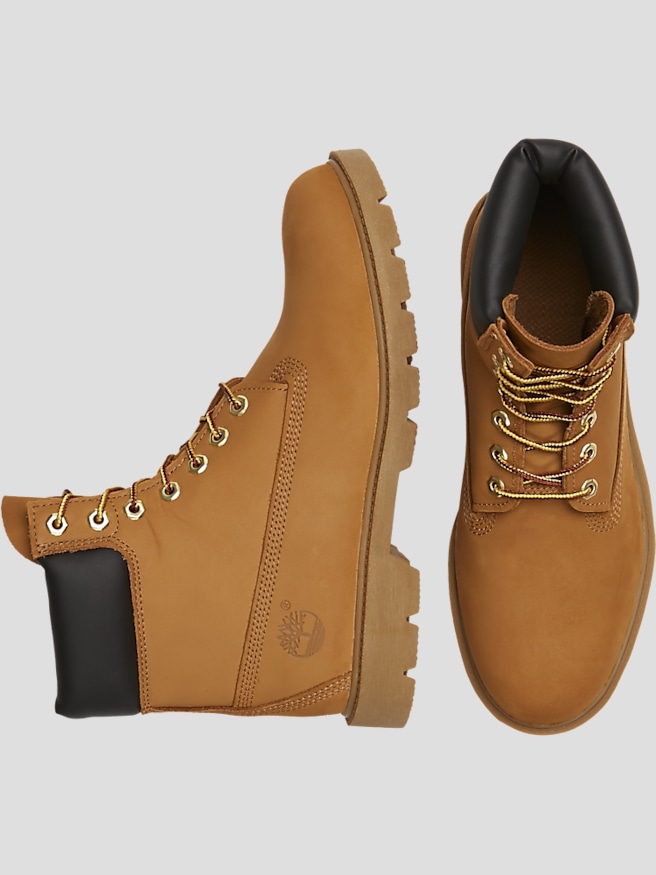
Clothing and personal comfort equipment should reflect the location, activity level, and forecast without relying on a single heavy layer. Dressing in layers makes it easier to respond when a cool morning becomes a warm afternoon and then gives way to a chilly evening. A moisture-managing base layer helps keep skin comfortable, an insulating middle layer adds warmth, and a weather-resistant outer layer helps block wind or light rain. Sturdy footwear with dependable traction is important for uneven trails, wet grass, and rocky ground, while extra socks can be one of the simplest ways to improve a trip. Even when the forecast looks favorable, pack rain protection, warm accessories, and dry clothing in sealed bags. A compact towel, toiletries, insect protection, sunscreen, and a small repair kit can also earn their place in a well-planned pack. For car camping, convenience may matter most, so there is room for a larger chair, additional blankets, a cooler, or extra cooking equipment. Backpackers generally need to weigh every item against its packed size and weight, choosing versatile gear that serves more than one purpose. People new to camping may appreciate a coordinated starter selection, while experienced outdoor enthusiasts often value thoughtful additions that replace worn equipment or improve organization. Camping gear can also be a useful gift for travelers, students, families, and anyone who enjoys exploring close to home. Accessories designed for packing and carrying can complement an outdoor kit as well; browse Travel Accessories for practical ways to keep personal essentials organized on the road. As the weather shifts through the cooler seasons, taking time to match each item to the trip, store equipment dry, and test unfamiliar gear before departure helps create a safer, warmer, and more enjoyable experience from the first trailhead to the final morning at camp.