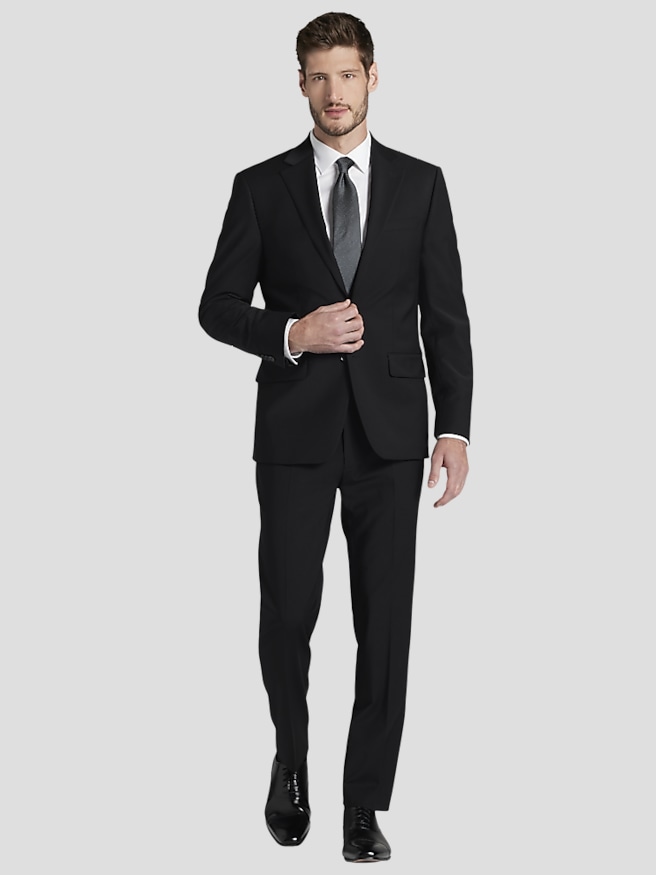
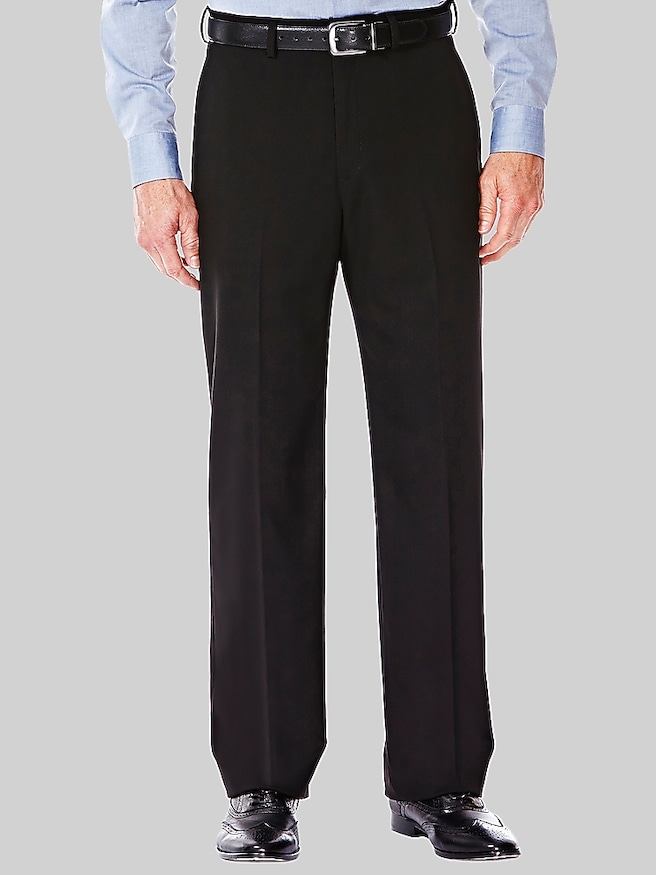
Men’s pant suits bring together a tailored jacket and coordinating trousers for a complete, polished outfit. Often called two-piece suits, they create a consistent line from shoulder to hem, with matching fabric, color, and pattern helping the pieces read as a single ensemble. A three-piece suit adds a vest for another layer of structure. The appeal is straightforward: a well-proportioned suit can feel appropriate at a job interview, a client presentation, a wedding, or an evening celebration without relying on elaborate styling. Fit makes the biggest difference in how that impression comes across. Slim-fit tailoring generally follows the body more closely through the chest, waist, seat, and legs, while modern-fit tailoring often provides a little more room without losing definition. Those labels are useful starting points, but actual measurements and construction matter more than the name. Jacket shoulders should sit close to the natural shoulder line without extending noticeably beyond it, and the collar should rest against the shirt rather than leaving a gap. When the jacket is buttoned, the front should lie smoothly instead of pulling into an X-shaped crease. Trousers should remain comfortable when sitting, walking, or stepping onto a stair, with enough room through the thighs to avoid strained pockets or horizontal pulling. A shorter trouser break creates a cleaner outline at the shoe; a slight break gives a more traditional finish. Neither should leave excess fabric pooling around the ankles. Two-button jackets, notch lapels, and flat-front trousers are familiar elements of tailored dressing because they work with a broad range of shirts and accessories. A balanced jacket length and a trouser rise that feels secure at the waist help the outfit look intentional from every angle. When building a coordinated look from suit separates, matching the fabric and shade is just as important as matching the fit, since two pieces described as the same color can still differ in texture, depth, or sheen.
Fabric influences how a suit drapes, moves, and holds its appearance through a full day. Wool is valued in tailoring for its natural resilience and ability to form a smooth, structured silhouette, though the feel and weight vary considerably with the weave and construction. Wool blends combine those qualities with characteristics contributed by other fibers, so the composition label gives a more useful picture than a broad fabric description alone. A small amount of stretch can make reaching, sitting, and moving more comfortable, but it does not replace adequate room through the shoulders, seat, or thighs. Twill has a subtle diagonal surface, while plainer weaves can create a quieter backdrop for a patterned shirt or tie. Fabric weight, lining, and internal structure also affect the finished result: a softly constructed jacket may feel less rigid, while a more structured chest can create a sharper outline. For frequent business use, navy and gray offer flexible foundations that pair easily with white, pale blue, and understated patterned shirts. Charcoal reads more formal than many lighter grays, while a muted windowpane introduces visual interest without requiring bold accessories. Black creates a distinct, high-contrast look, particularly alongside a white shirt and dark shoes. Men's Calvin Klein Black Suits suit that restrained approach to evening dressing when the occasion calls for a suit rather than a tuxedo. The event’s dress code should always take priority over color alone; a dark suit is not automatically a substitute for black-tie attire. For an interview or important presentation, a restrained tie and neatly maintained shoes keep attention on the person wearing the suit. At a wedding, a textured tie or a modest pocket square can bring personality without competing with the tailoring. Keeping patterns at different scales, such as a fine shirt stripe beneath a larger jacket pattern, helps the outfit feel coordinated rather than crowded. Smooth shirt sleeves and an uncluttered trouser line finish the effect.
Long-term comfort and durability depend on sensible alterations and everyday habits as much as fabric choice. A tailor can often refine trouser hems, sleeve length, and the shape through the waist, but major changes to the shoulders or jacket balance are more involved. Starting with a sound fit through those areas leaves less to correct. Trying on a suit with the type of shirt and shoes intended for it makes proportions easier to judge, especially at the cuffs and trouser hem. A brief seated check can reveal a tight waistband or restricted thigh before a long meeting does, and reaching forward gently can show whether the upper back has enough room. For someone who wears a suit regularly, rotating it with other outfits and letting it rest between wears can help it recover its shape. Emptying pockets prevents keys, phones, and thick wallets from distorting the jacket or trousers. A broad, supportive hanger helps maintain the shoulders, while hanging trousers neatly reduces unnecessary creasing. Follow the garment’s care label rather than assuming every suit needs the same treatment. Where professional cleaning is specified, cleaning the coordinated pieces together helps limit uneven changes in appearance over time. Light surface dust can often be removed with a suitable garment brush, while stains deserve prompt attention according to the care instructions. Excessive heat or aggressive pressing can affect fabric and finishing, so a cleaner familiar with tailored clothing is a sensible choice for difficult marks or persistent wrinkles. For travel, a garment bag and careful packing help protect the jacket’s shape; allowing the suit to hang after unpacking gives compressed folds time to relax. A suit can also mark a graduation, a career milestone, or another meaningful achievement as a gift, though the recipient’s measurements and preferred silhouette are essential. Whether worn occasionally or as part of a regular professional wardrobe, thoughtful fit, appropriate styling, and consistent care give a coordinated jacket and trousers their lasting usefulness.