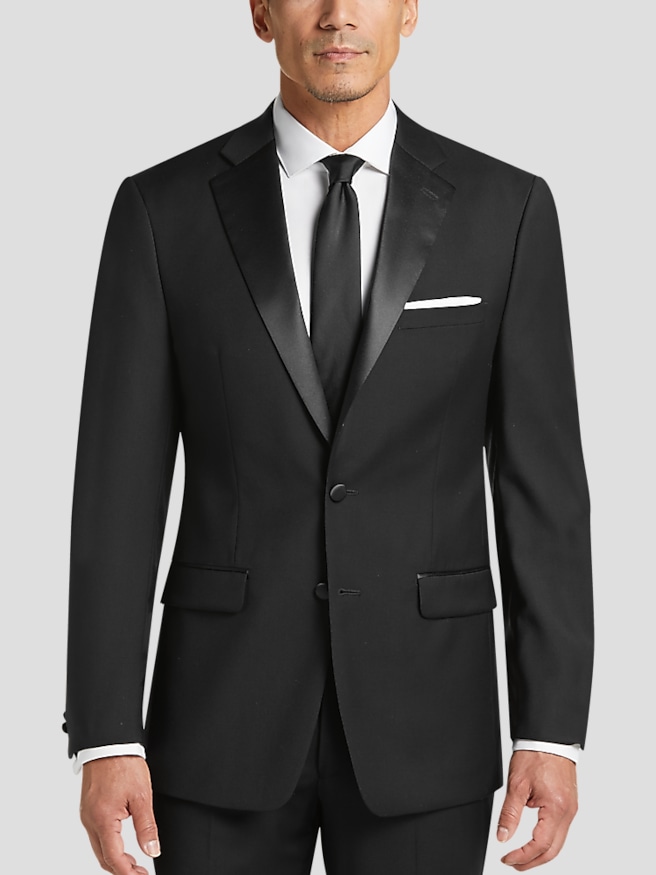
A well-cut men’s jacket brings definition to an outfit without making it feel overworked. Clean lines, balanced proportions, and restrained details allow the same general style to feel appropriate at a business presentation, a wedding reception, or dinner at a favorite restaurant. Much of that versatility starts with the fabric. Wool is valued for its natural resilience, drape, and ability to recover from ordinary creasing, while cotton can lend a softer, more relaxed character. Fabrics that combine natural and synthetic fibers may offer added strength, easier maintenance, or a smoother finish, depending on their composition and construction. A small amount of stretch can support comfortable movement, although stretch alone does not guarantee a good fit. The fabric’s weight, weave, and surface texture also influence how a jacket sits on the body. A smooth finish tends to read as polished and understated; a subtle texture adds depth without requiring a bold pattern. Structure matters just as much as material. A more defined shoulder and supported chest create a crisp outline, while softer construction produces an easier shape that follows the body more closely. Lining affects the experience of wearing a jacket, too, helping it slide over a shirt and contributing to its overall feel. Details such as lapel width, pocket placement, buttons, and back vents should work together rather than compete for attention. Narrower lapels can complement a streamlined silhouette, while moderately wider proportions may create a more balanced appearance on a broader frame. A jacket with quiet detailing leaves room for a distinctive shirt or tie, but it can also carry an outfit built entirely around simple colors. For someone who moves between professional appointments and social plans, that restraint is useful: the jacket supplies a finished appearance without demanding a different styling approach for every stop on the calendar. The most useful choice reflects both the wearer’s routine and the level of formality that routine requires.
Fit becomes clear in the small moments of an ordinary day: reaching for a phone, sitting through a meeting, or greeting someone across a dinner table. The shoulder seam should sit close to the natural edge of the shoulder, with a smooth transition into the sleeve rather than a visible overhang or pronounced indentation. Across the chest, the jacket should close comfortably without pulling the front into an obvious X-shaped crease. A slim silhouette can look sharp, but it still needs enough ease for a shirt underneath and for natural movement through the arms and upper back. A roomier cut should maintain definition instead of hanging loosely through the waist. Sleeve length helps establish a tidy relationship between the jacket and shirt, with a small amount of shirt cuff often visible in tailored outfits. Jacket length deserves equal attention because it affects the balance between the torso and legs; an excessively short or long hem can interrupt an otherwise clean outline. Trying a jacket while wearing the kind of shirt intended for regular use gives a more useful sense of its proportions. Sitting down is equally revealing, especially for someone whose day includes desk work, driving, or extended meals. The collar should rest neatly against the shirt collar, and the back should remain reasonably smooth when standing naturally. Some fine adjustments may be possible through tailoring, particularly around sleeves or the waist, while shoulder structure is generally more difficult to change. These considerations matter whether the wearer prefers a close-fitting profile or a more relaxed one. Neither approach needs to feel restrictive or shapeless. Color and pattern can reinforce the fit rather than distract from it: solid neutrals create a clear silhouette, and understated checks or woven textures bring interest to simple combinations. With dress trousers, a jacket can feel purposeful and professional; with neat casual pants and an open-collar shirt, it takes on a less formal character. The distinction comes from the complete outfit, including the texture of the trousers, the finish of the shoes, and the formality of the shirt.
Long-term satisfaction depends on how a jacket fits into real life as much as how it looks in a mirror. Someone who wears tailored clothing several days a week may value resilient fabric, comfortable arm movement, and a shape that stays composed after hours of sitting. A person choosing a jacket for occasional celebrations may place greater emphasis on versatility and a color that works with existing trousers and shirts. For a broader view of coordinating menswear, explore Calvin Klein Men. The aim is a cohesive wardrobe rather than an outfit that feels assembled from unrelated pieces. Care plays an important role in keeping that wardrobe presentable. The sewn-in care label is the starting point, since cleaning requirements vary with fabric, lining, trim, and internal construction. A jacket labeled for professional cleaning should not be treated as machine washable simply because part of its fiber blend seems familiar. Between appropriate cleanings, a broad, supportive hanger helps preserve the shoulders, and giving the garment space in the closet reduces crushing and unnecessary creases. Emptying the pockets before hanging prevents weight from distorting the fabric. A suitable garment brush can remove surface dust from some materials, while stains are best addressed promptly according to the care instructions or with professional help. Pressing and steaming also require care, particularly around lapels and shaped areas where excessive heat or pressure can alter the intended finish. Durability is reflected in details such as secure buttons, tidy seams, sound lining, and fabric that suits the demands placed on it, not merely in how substantial a jacket feels. As a gift, a jacket can mark a graduation, a career milestone, or another meaningful achievement, especially when the recipient’s size, preferred fit, and everyday style are already understood. Choosing with those habits in mind makes the gesture personal and practical. Whether worn for an important occasion or as part of a familiar weekly routine, a thoughtfully selected jacket should feel like a natural extension of the person wearing it.