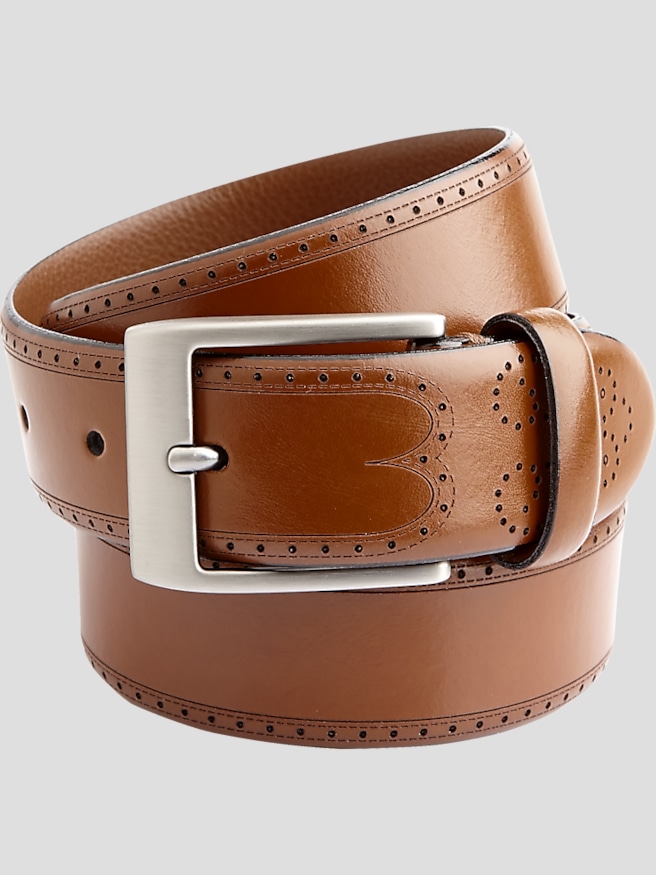
Business casual accessories bring professional polish to relaxed office clothing through practical details: a well-proportioned belt, comfortable dress socks, understated neckwear, and a bag that keeps work essentials organized. Their role is to make chinos, dress trousers, button-down shirts, and unstructured jackets feel like parts of the same outfit without adding unnecessary formality. In a workplace where jackets are optional, these smaller details often carry more visual weight. A smooth leather belt with a restrained buckle creates a clean line at the waist, while woven leather introduces texture that works naturally with cotton trousers and an open collar. Full-grain leather retains the hide’s natural surface and can develop character with use; its long-term performance also depends on construction, finishing, and care. Neat stitching, securely finished edges, and sturdy buckle attachments matter as much as the material description. Belt fit should allow comfortable adjustment without leaving an excessively long tail, and the width needs to suit the trouser loops rather than crowd them. Coordinating the general color and formality of a belt with footwear creates continuity, though an exact shade match is not essential. Brown leather can sit comfortably alongside other warm brown tones, while black leather gives an outfit a sharper outline. Wallets and work bags serve a similarly practical purpose. A slim wallet keeps a trouser pocket from bulging, and a structured bag maintains a tidy silhouette when carried into a meeting or placed beside a desk. Useful bag details include secure closures, comfortable handles, adjustable straps, and compartments that separate a laptop from smaller belongings. A padded section offers useful cushioning, but its dimensions still need to match the device it carries. Leather brings a substantial feel, while tightly woven fabric can reduce weight and simplify everyday maintenance, depending on its finish. For a commute that involves walking between transit and the office, comfortable carrying weight matters just as much as appearance. A bag that looks refined but becomes awkward when filled is less suited to daily work than one whose proportions and organization reflect the actual routine.
Texture and proportion help business casual accessories feel intentional rather than overly dressed. Dress socks, for example, provide a quiet connection between trousers and shoes while making a real difference in comfort. Cotton blends can offer softness and breathability, wool blends can help manage moisture, and a small amount of stretch can support shape retention. Fiber content alone does not determine performance; knit density, seam placement, and the quality of the elastic also affect how socks feel through a full day. Enough height to cover the leg when seated creates a continuous line beneath trousers, while a secure cuff helps limit slipping without feeling restrictive. Reinforced heels and toes can be useful in areas exposed to repeated friction. Solid navy, charcoal, and brown are easy to coordinate, while a small geometric pattern adds interest without dominating an outfit. Neckwear offers another degree of refinement when a presentation, client lunch, or team event calls for something beyond an open collar. Knit ties and ties with a matte, textured surface often feel less formal than highly lustrous finishes. Tie width works best in relation to the shirt collar, jacket lapels, and the wearer’s proportions, with a knot that fills the collar space without forcing its points outward. A pocket square can add a small contrast of color or texture when a jacket is part of the outfit; it does not need to duplicate the tie’s pattern. Cotton and linen typically produce a more structured fold, while silk has a softer drape. Complementary dress shirt accessories can refine the same details at the collar and cuffs. Collar stays help support compatible shirt collars, and cuff links belong with cuffs designed to accept them. These finishing touches are most effective when they suit the shirt’s construction and the workplace’s expectations. A narrow glimpse of pattern at the ankle or a subtle texture beneath a jacket can provide enough personality without competing with the rest of the outfit.
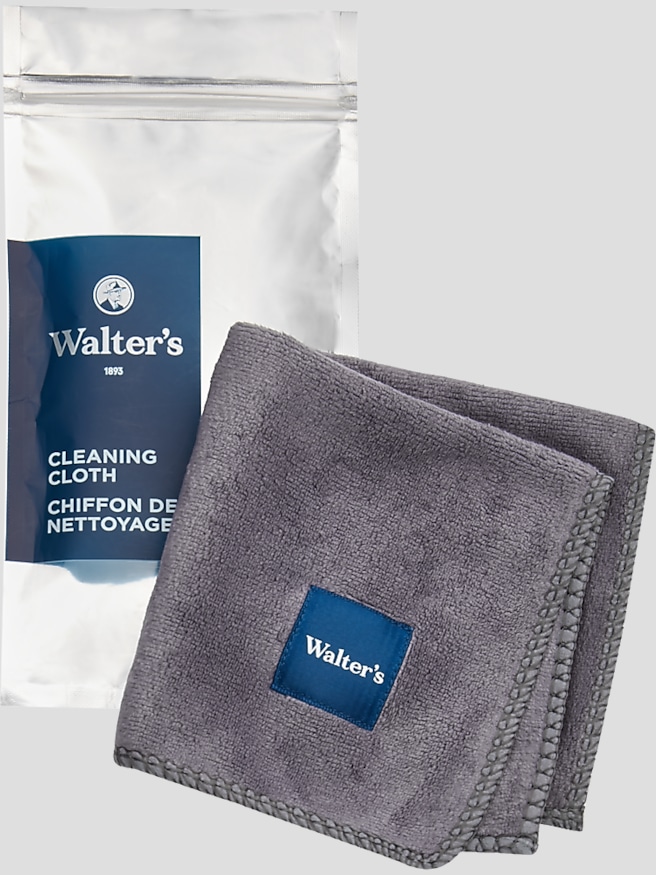
Watches and jewelry bring a personal element to business casual dressing, especially when their scale and finish complement everyday clothing. A watch with a clear dial and a modest profile can sit comfortably beneath a shirt cuff, while an oversized case may catch on the fabric or make the cuff feel tight. Leather straps offer a softer visual connection to belts and shoes, and metal bracelets introduce a crisp finish that can coordinate with a buckle or simple ring. Matching every metal exactly is not necessary, but repeating one finish can make the combination feel more cohesive. Bracelets, rings, and other small accents are often easiest to wear at work when they stay comfortable during typing, writing, and handshakes. Smooth edges, secure fastenings, and an appropriate fit matter more over a long day than elaborate decoration. The intended setting makes a difference, too: a quiet detail that feels natural in a creative office may need a more restrained companion for a client-facing meeting. Care helps preserve both appearance and function across these categories. Leather generally benefits from gentle cleaning with a soft cloth and conditioning only with a treatment suited to its finish; prolonged soaking and direct heat can cause damage. Fabric accessories should be cleaned according to their care labels, since laundering methods vary by fiber, lining, and construction. Emptying pockets before storing a bag reduces strain, and allowing ties to rest untied helps avoid setting deep creases. These practical qualities also make accessories thoughtful gifts for a graduate starting an office role, someone preparing for a new position, or an experienced professional refreshing everyday essentials. Familiar colors, comfortable proportions, and materials that suit the recipient’s routine usually have lasting usefulness. Belt sizing, device dimensions for bags, and preferences about jewelry are worth knowing beforehand. Across daily commutes, desk work, presentations, and after-work dinners, the strongest business casual details combine an understated appearance with a clear purpose.