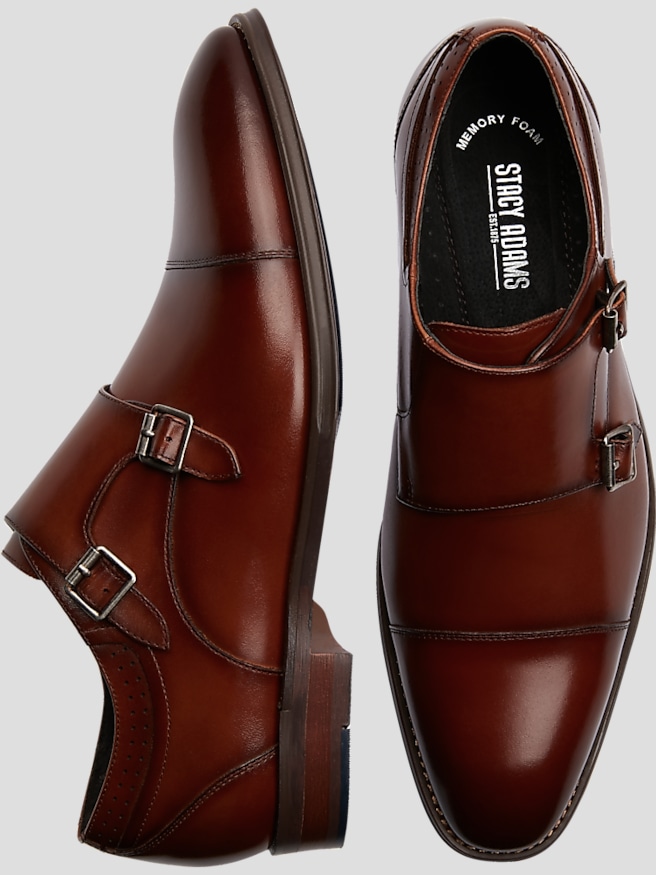
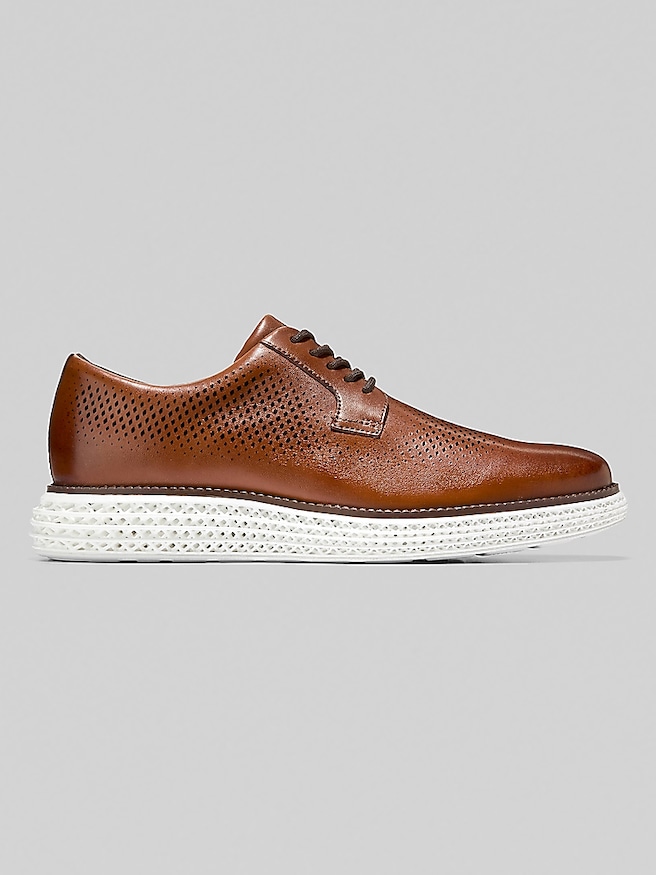
Brown dress shoes bring depth to a tailored outfit without making every detail compete for attention. Against navy trousers, a rich brown finish creates a clear, handsome contrast; with charcoal or medium gray, a deeper shade keeps the combination understated. Lighter brown tones tend to feel more relaxed, especially alongside textured sport coats, chinos, and softly structured tailoring. That range makes brown footwear useful for office wardrobes, wedding attire, graduation outfits, and dinners that call for something more polished than sneakers. The shape and detailing matter just as much as the color. A smooth, minimally decorated upper has a restrained appearance, while stitched panels and decorative perforations add texture and character. For a closer look at that more detailed silhouette, Cole Haan Brown Wingtip Shoes offer a related style to explore. Wingtip patterns can complement the subtle texture of a wool suit or give plain trousers a more distinctive finish, though decoration generally makes a shoe feel less formal than an otherwise similar plain design. An elongated toe can look sleek beneath trim trousers, while a softly rounded shape often works comfortably with a broader range of silhouettes. Neither needs an exaggerated profile to make an impression. A trouser hem that falls cleanly over the shoe helps the whole outfit look intentional, rather than hiding the upper beneath excess fabric. Belts do not need to match the shoes with absolute precision, but keeping both within a similar brown color family creates continuity. A dark chocolate shoe and a similarly deep belt usually look more cohesive together than a dark shoe paired with a bright tan belt. For someone building a dependable dress wardrobe, the appeal lies in that flexibility: the same general footwear style can suit a presentation, a family celebration, or an evening reservation, with the surrounding clothing setting the level of formality. For strict black-tie occasions, however, traditional black formal footwear remains the more appropriate choice.
Materials and construction influence how brown dress shoes look, feel, and hold their shape through repeated wear. Smooth leather can develop subtle creases and a richer surface character over time, while suede has a softer, matte appearance that pairs naturally with less formal tailoring. The exact upper material and finish determine the appropriate care, so those details deserve attention rather than assumptions based on appearance alone. A burnished toe may have a deliberately deeper tone than the rest of the upper; that variation is part of the finish, not necessarily uneven wear. Inside the shoe, lining texture, seams, cushioning, and the shape of the footbed can make a noticeable difference over several hours. A polished appearance matters at a conference table, but so does comfort when the day includes walking between meetings or standing through a reception. Cushioning can soften the feel underfoot, yet it does not compensate for a shoe that is too narrow or too short. A well-fitting dress shoe should hold the heel securely without persistent rubbing, leave room for the toes to rest naturally, and feel supportive through the middle of the foot without pinching. Some movement at the heel may occur with certain designs, but repeated slipping or the need to grip with the toes suggests a fit issue. Trying shoes with the socks intended for regular wear gives a more useful sense of fit than switching between very thin and heavily cushioned pairs. Lace-up styles allow adjustments across the instep, which can be helpful when one foot has slightly more volume than the other. Slip-on designs depend more closely on the relationship between the heel, instep, and opening. Fit can vary across shapes even when the marked size stays the same, and leather softening with use should not be mistaken for a reliable solution to painful pressure. For longer occasions, a comfortable fit from the outset is more valuable than a sleek outline that feels restrictive before leaving the house.
Durability depends on the way a shoe is made, the conditions of use, and the attention it receives between outings. Outsole materials affect flexibility, weight, and traction: rubber can provide useful grip and a more forgiving feel on hard surfaces, while leather soles offer a traditional appearance and a distinct feel underfoot. Actual performance varies by construction and tread, so neither material alone tells the whole story. Secure stitching, neatly finished edges, and an upper that flexes comfortably where the foot bends are worthwhile details to consider. Brown finishes also reward consistent, restrained care. Removing surface dust with a soft brush or cloth helps prevent buildup, particularly along seams and where the upper meets the sole. Smooth leather may benefit from an appropriate conditioner and polish, used according to the material and care instructions; suede calls for tools and treatments intended for its textured surface. Testing a care product on an inconspicuous area can help avoid an unexpected change in color. Heavy layers of polish are not a substitute for cleaning, and a lighter touch is especially important on finishes with intentional shading. Letting shoes air out between wears and using properly sized shoe trees can help manage moisture and support their shape. Storage away from direct heat helps protect leather from unnecessary drying, while a shoehorn reduces repeated crushing at the heel when putting shoes on. These small habits are particularly useful for footwear worn regularly with work clothes, where scuffed toes and collapsed heel counters can distract from otherwise careful dressing. Brown dress shoes can also make a thoughtful gift for a graduate, a father, a partner, or someone stepping into a new professional role, provided the recipient’s size, width, and preferred silhouette are known. A person who spends much of the day on foot may value cushioning and flexibility, while someone dressing mainly for ceremonies may place greater emphasis on a refined profile. The strongest choice brings those practical needs together with a shade and shape that feel natural alongside the clothing already in the closet.