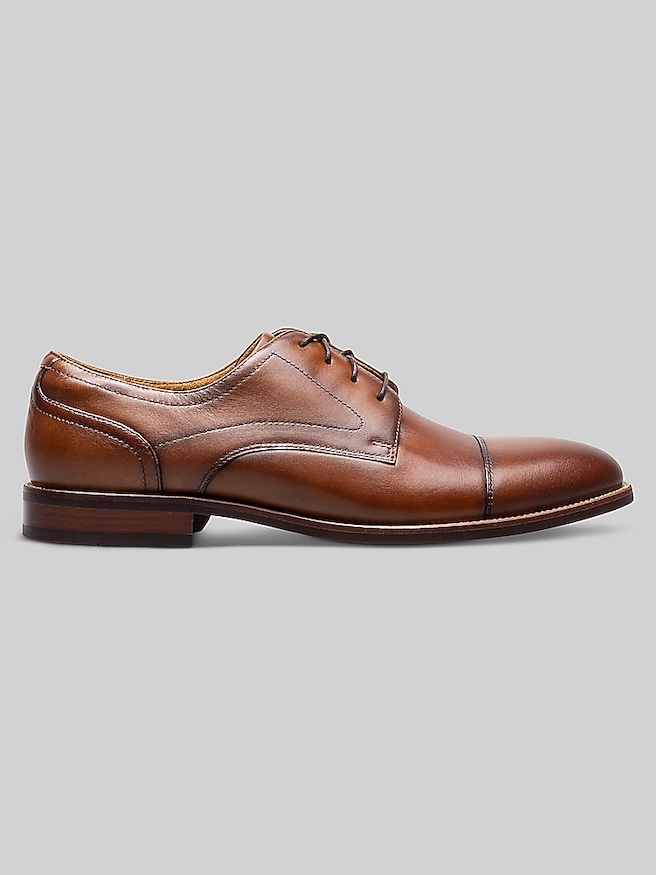
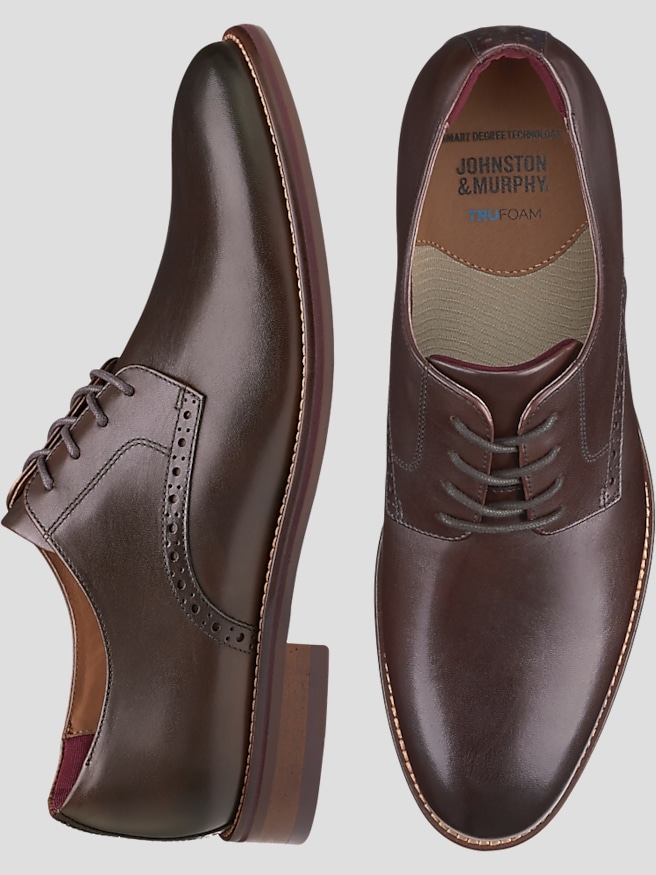
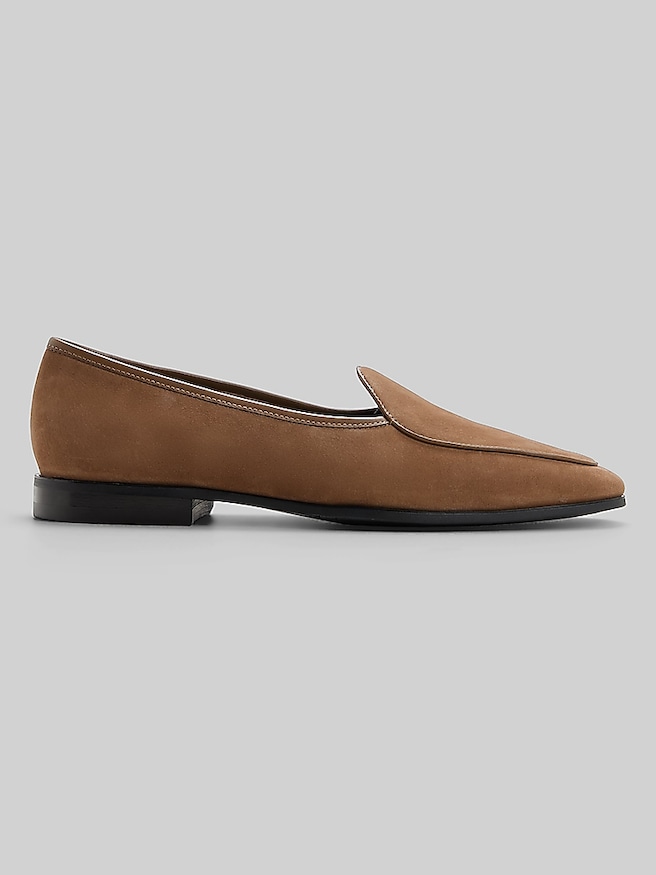
Brown boots for Valentine's Day bring warmth and depth to a dressed-up outfit without making it feel overly formal. Rich chocolate, chestnut, and lighter tan shades each create a different impression: dark brown looks understated with charcoal trousers, chestnut adds contrast to navy, and tan lends a more relaxed feel to dark denim. For a dinner reservation, a concert, or an evening spent exploring a favorite neighborhood, the most useful styles balance a polished appearance with comfort that lasts beyond the first stop. Chelsea boots have a clean profile, with elastic side panels that keep the design streamlined beneath a trouser hem. Lace-up boots offer a more adjustable closure and can feel equally at home with jeans or textured dress pants, depending on their shape and finish. A plain toe keeps the look simple, while a cap toe or subtle stitching introduces detail without competing with the rest of the outfit. Western-inspired boots can also suit the occasion when their distinctive shape feels natural to the person wearing them. The key distinction is often the silhouette rather than the category alone: a slim shaft, restrained sole, and gently tapered toe generally look dressier than a broad toe and substantial lug sole. With dark jeans, a fine-gauge sweater and an unstructured jacket create an easy evening combination. With tailored trousers, a tucked-in shirt and a textured sport coat can make brown leather boots feel more intentional. Burgundy, cream, muted rose, and deep blue all work well alongside brown, offering a nod to Valentine's Day without requiring a themed outfit. A belt in a similar brown tone helps connect the look, although an exact color match is less important than a compatible finish. The result can be romantic without being fussy, with footwear that still makes sense for dinners, celebrations, and everyday plans after the occasion.
Materials and construction shape how brown boots look, feel, and hold up over time. Smooth leather tends to give a cleaner, dressier impression, while suede has a soft texture that pairs naturally with knitwear, denim, and brushed fabrics. Full-grain leather retains its natural grain and can develop character with regular wear and appropriate care; it may also show creases and small variations that are part of the material rather than flaws. Suede requires a different care routine, especially around spills and moisture, so intended use matters as much as appearance. A restaurant evening with a short walk calls for different priorities than several hours on foot between dinner and a show. Rubber outsoles can provide flexibility and traction, although grip depends on the tread design and walking surface. Leather outsoles offer a traditional appearance but may feel smoother underfoot, particularly before they have been worn. Neither an attractive finish nor a substantial sole automatically makes a boot waterproof. Inside the boot, lining, cushioning, and seam placement can influence comfort as much as the outer material. A supportive fit should leave room for toes to move without allowing the foot to slide forward. The widest part of the foot should sit comfortably within the widest part of the boot, and the instep should feel secure rather than compressed. A small amount of heel movement can occur in some new leather boots, but persistent rubbing, pinching, or slipping is not something to ignore. Trying boots with the socks intended for the occasion gives a more useful sense of fit than testing them with unusually thin or thick pairs. Lace-up closures allow adjustment across the instep, while pull-on styles depend more heavily on the relationship between foot shape and boot shape. Leather may soften with wear, but boots should not need a painful break-in period to become wearable. For an evening that includes standing, walking, and sitting through dinner, comfortable movement matters more than choosing a smaller size for a sleeker appearance.
As a Valentine's Day gift, brown boots can feel personal because they reflect how someone actually dresses and spends time. A partner who wears dark denim most days may get more use from a straightforward ankle boot than from an elaborate design reserved for special occasions. Someone who regularly wears tailored clothing may appreciate a smoother finish, a less prominent sole, and a shaft that sits neatly beneath dress pants. Familiar details offer useful clues: the shape of a favorite pair of shoes, a preference for laces or pull-on footwear, and the colors already repeated in a wardrobe. Shoe size alone does not tell the whole story, since width, instep height, and fit preferences can vary between styles. For celebrations that call for a lower-cut silhouette, Brown Leather Shoes For Valentine's Day provides a related direction for an outfit with a more traditional dress-shoe profile. Boots remain especially appealing when the goal is a look that moves comfortably between casual and dressed-up settings. Their lasting usefulness also depends on everyday care. Dust and surface dirt are best removed before they work into seams or sit on the leather, using a soft cloth or a brush suited to the material. Smooth leather benefits from compatible conditioner used sparingly according to the care directions, while suede generally calls for a suede brush and products specifically intended for its surface. Testing any treatment on an inconspicuous area helps avoid unexpected changes in color. Damp boots should dry naturally away from direct heat, and resting pairs between wears allows interior moisture to dissipate. Cedar boot trees can help maintain shape when properly sized. Attention to heel wear, loose stitching, and outsole condition can also make a difference in long-term use. With a comfortable fit, a finish that suits the wearer's routine, and consistent care, brown boots can carry the memory of Valentine's Day into many ordinary evenings worth dressing for.