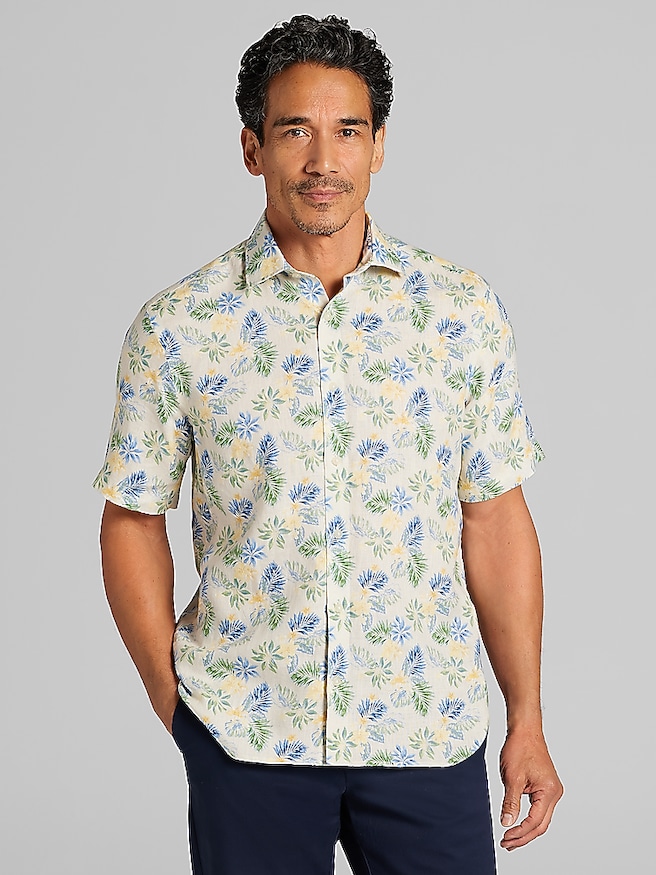
Breathable formal clothing for hot weather combines air-permeable fabric, lighter construction, and a comfortable fit to keep a dressed-up look from feeling unnecessarily heavy. Fabric weight matters, but the space between the yarns matters, too: a lightweight cloth with a dense weave can feel warmer than a slightly heavier cloth with a more open structure. Open-weave wool, including tropical-weight and high-twist varieties, is particularly useful for tailored clothing because it can allow airflow while maintaining a clean drape. High-twist yarns also give some wool fabrics a springy feel that helps them recover from everyday creasing. Linen offers an airy feel and distinctive texture, with natural wrinkles that suit less rigid daytime dress codes. Cotton provides a familiar, soft touch and a somewhat crisper appearance, although its comfort depends on the weave, weight, and construction. Seersucker’s puckered surface holds portions of the fabric away from the skin, creating small spaces for air circulation; its textured appearance generally fits relaxed dress occasions rather than strict evening formality. Blends can balance these qualities, combining linen’s character with cotton’s softness or wool’s shape retention. Fiber content alone, however, does not establish how cool a garment will feel. A tightly woven linen blend with a substantial lining may feel less airy than an open-weave wool garment with minimal internal layers. Breathability also differs from moisture management: breathable fabric permits air and water vapor to pass through, while moisture-wicking fabric is designed to move perspiration away from the skin. Neither feature eliminates the effects of high humidity or prolonged direct sun. For wedding guests, business travelers, graduates, and anyone spending an afternoon moving between outdoor gatherings and indoor receptions, these distinctions make a meaningful difference. The most useful warm-weather dress clothing balances comfort with the level of polish the occasion requires, whether that means a structured suit for a professional setting or softly tailored separates for a garden celebration. Fabric texture, opacity, and drape remain just as important as a light feel against the hand.
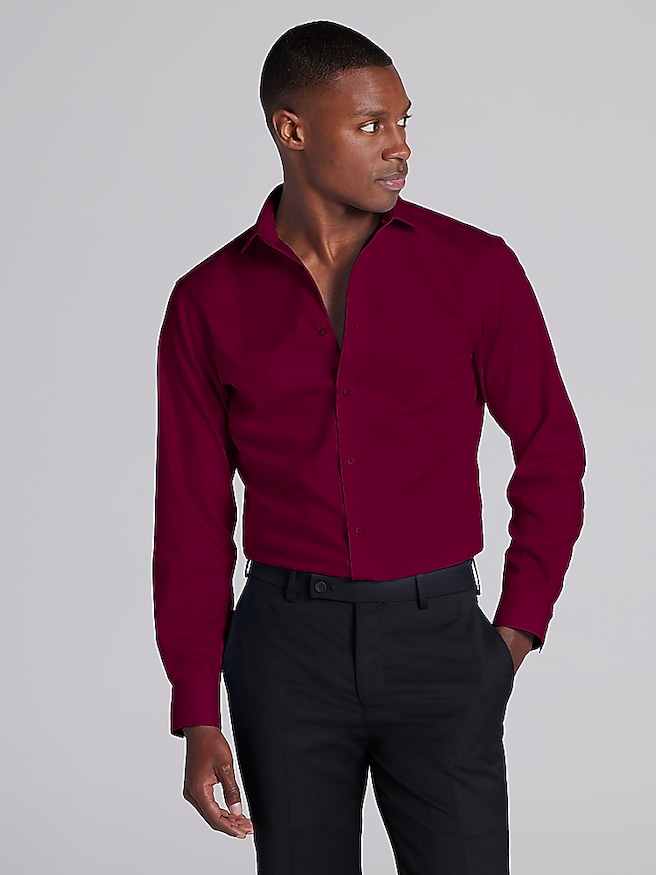
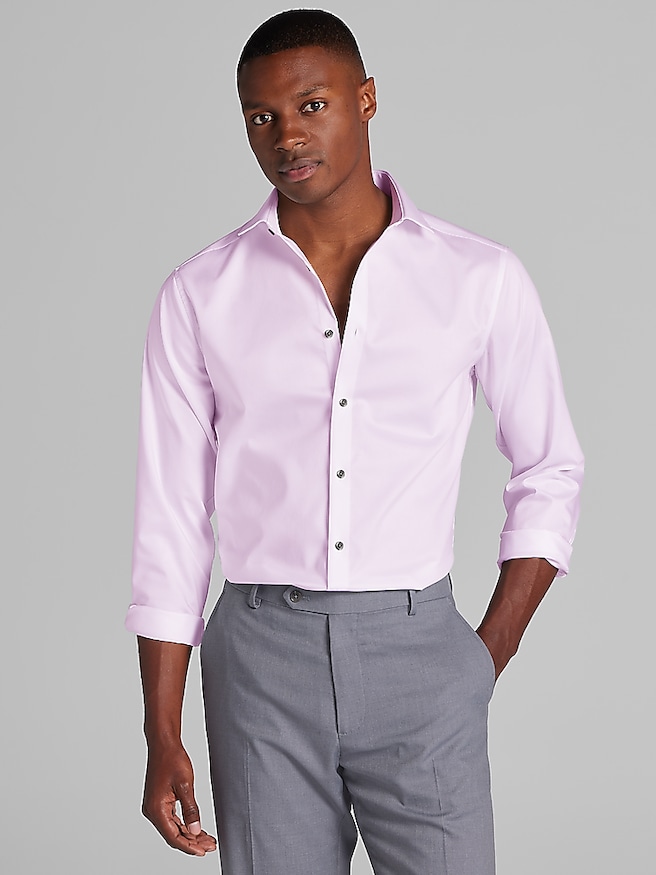
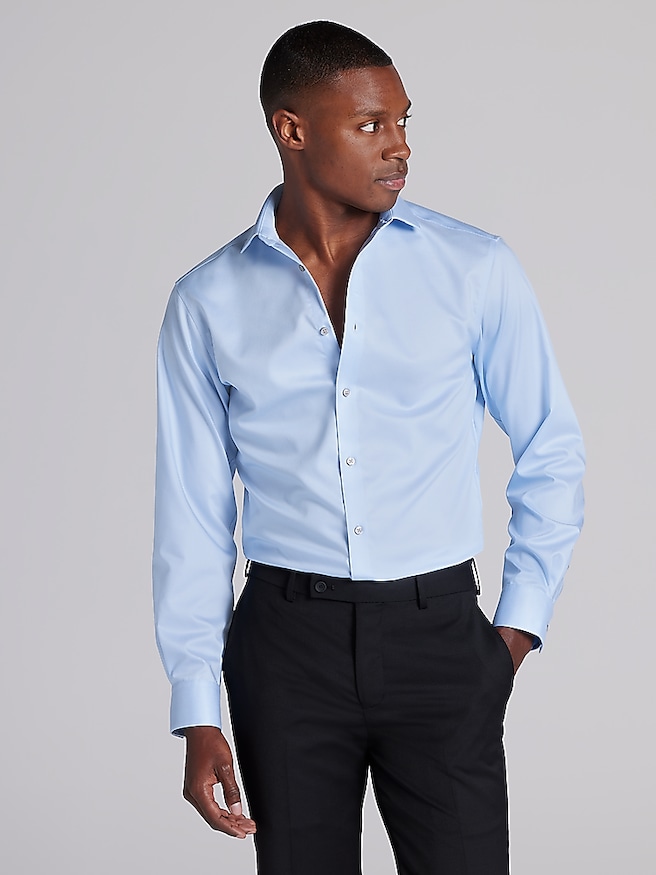
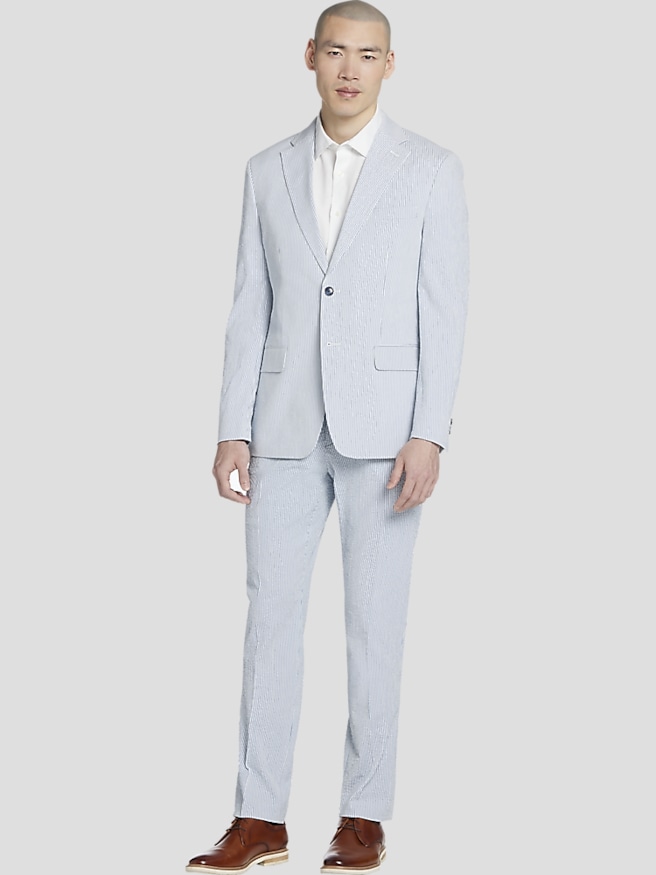
Construction determines much of the comfort that fabric alone cannot provide. An unlined or partially lined jacket reduces the amount of material around the torso, while lighter shoulder padding and flexible internal structure can make tailoring feel less restrictive. A full lining is not automatically uncomfortable, but its fiber, density, and coverage influence the finished garment’s feel. Canvas and lining serve different purposes: canvas helps shape the jacket’s front, while lining covers interior surfaces and helps the garment slide over a shirt. A half-canvas designation therefore does not necessarily mean a jacket has less lining or will feel cooler. Fit matters just as much. A jacket that lies smoothly across the shoulders and chest, with enough room for natural movement, feels more comfortable than one that pulls whenever its wearer reaches for a glass or sits down. Trousers benefit from ease through the seat and thighs, allowing movement without excess fabric bunching at the knees or waistband. A slim silhouette need not mean a tight fit. Underneath, a lightweight dress shirt with a breathable weave helps keep the outfit from becoming a stack of dense layers. Cotton absorbs moisture but can remain damp after heavy perspiration, while some performance blends are engineered to spread moisture for quicker drying; actual performance depends on the fabric’s design. Shirt opacity also deserves attention, especially with pale colors in strong daylight. For daytime celebrations with a less restrictive dress code, breathable cotton suits for summer dress occasions offer a tailored appearance with the familiar feel of cotton. Light gray, tan, and soft blue can complement outdoor settings, and lighter shades generally absorb less solar energy than darker ones under direct sunlight. Color is only one part of comfort, though, and it does not replace breathable construction. Navy and charcoal remain practical choices when a business setting or invitation calls for a more traditional appearance.
The intended occasion helps establish how far a warm-weather outfit can lean into relaxed texture and lighter construction. An outdoor afternoon wedding may accommodate linen blends, cotton tailoring, or a softly structured jacket, while a formal evening celebration may call for darker cloth and more traditional details. A black-tie dress code still calls for appropriate evening attire; breathable wool and thoughtful construction can improve comfort without substituting casual fabrics for the expected look. For a ceremony on a sunny lawn followed by dinner indoors, clothing needs to feel comfortable while standing, sitting, walking, and moving between spaces. Smooth shirt seams, a waistband that stays comfortable when seated, and jacket sleeves that allow easy movement all contribute to wearability over several hours. Accessories can preserve the outfit’s polish without unnecessary bulk: a neatly folded pocket square adds little weight, and an appropriately proportioned tie keeps the neckline looking intentional when the dress code requires one. Durability and care deserve equal attention, particularly for clothing worn repeatedly to work or packed for travel. Open weaves can be more susceptible to snagging, and linen’s relaxed creasing is part of its character rather than a sign of poor quality. Cotton may develop visible wrinkles at the lap and elbows, while resilient wool often regains a smoother appearance after hanging between wears. Care labels establish whether washing, professional cleaning, steaming, or pressing is appropriate; washable fabric content does not automatically make a structured jacket machine washable. Excessive heat can damage stretch fibers, affect finishes, or create unwanted shine on tailored cloth. A broad hanger helps support a jacket’s shoulders, and allowing garments to dry fully before storage helps maintain freshness. Rotating outfits and addressing spots promptly can reduce unnecessary cleaning and wear. These practical details support clothing that remains useful beyond a single event, with enough comfort for a long reception and enough structure to look composed in photographs. The result is formal clothing suited to hot weather without sacrificing the fit, finish, and occasion-appropriate appearance that make dressing up worthwhile.