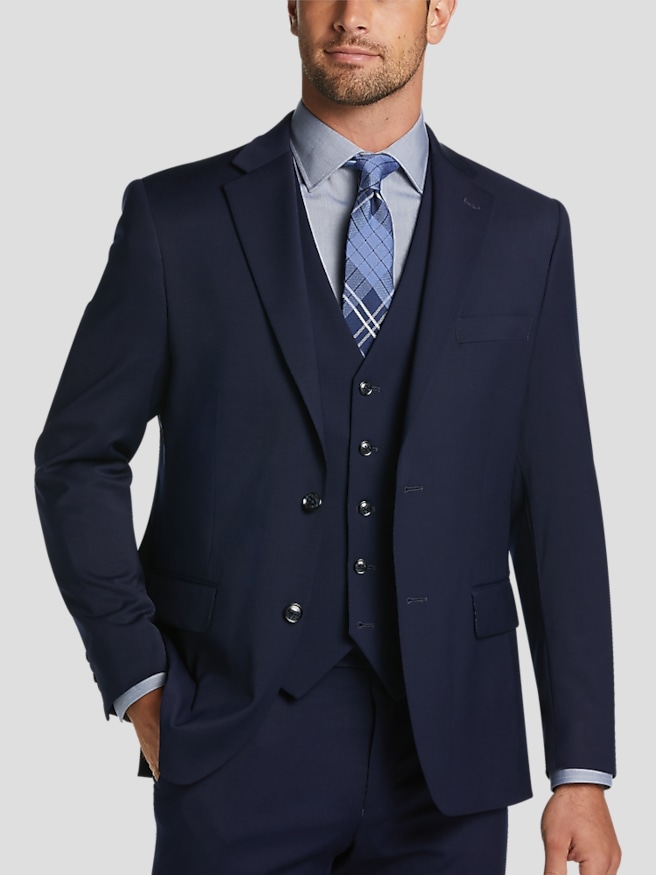
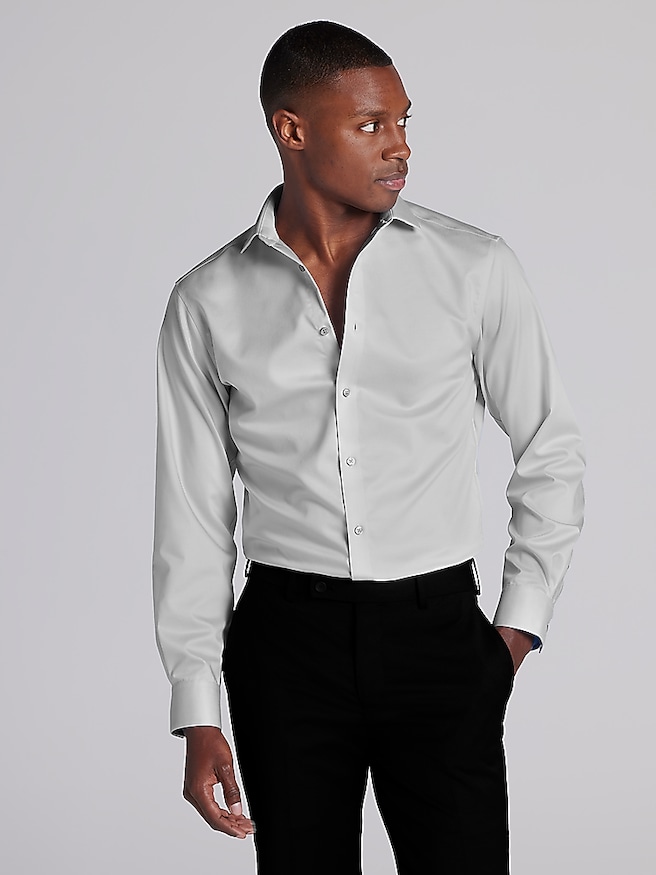
Clothing brands for men span classic tailoring, relaxed casual wear, American heritage influences, and contemporary designs with cleaner lines and less structure. Each approach brings a distinct point of view to familiar clothing categories, from the shape of a jacket’s lapels to the weight of a knit or the finish of a leather accessory. Traditional styling often emphasizes balanced proportions, understated patterns, and details that work comfortably in professional settings. More modern styling may use a narrower silhouette, softer construction, or subtle texture to create a less formal impression. Heritage-inspired clothing often draws character from substantial fabrics, practical pockets, and finishes that develop personality with wear. These distinctions matter because a recognizable label is only part of what makes clothing feel right. The most useful connection between a brand and a wardrobe comes from consistent fit, suitable materials, and a design sensibility that matches the wearer’s daily routine. Someone who spends much of the day in client meetings may value tailored clothing that maintains a neat shape while seated and moving between appointments. Someone whose schedule moves between a creative office and dinner with friends may prefer versatile separates with a softer, more relaxed appearance. Neither approach requires an entirely separate wardrobe for every setting. Neutral colors, compatible proportions, and restrained patterns allow clothing from multiple labels to work together without looking pieced together. A textured layer can soften the formality of smooth trousers, while a crisp collar can give casual clothing a more deliberate finish. Color also helps define a brand’s character: deep blues, grays, and earth tones tend to support easy combinations, while stronger contrasts and larger patterns create a more expressive look. Across men’s clothing brands, that balance of personality and practicality gives everyday dressing its foundation. A cohesive wardrobe can reflect an individual style without depending on prominent logos or a single label, leaving room for the details that make clothing feel personal rather than prescribed. The result is clothing selected for how it looks, feels, and functions together.
Fabric and construction give those visual differences substance. Wool is valued in tailored clothing for its natural resilience, drape, and ability to recover from light creasing, although performance varies with the weave, weight, and blend. Cotton can feel crisp and structured or soft and relaxed, making it useful across both polished and casual clothing. Linen brings visible texture and an easy drape, with natural wrinkling that is part of its character rather than a flaw. Synthetic fibers and blended fabrics can add stretch, improve shape retention, or simplify care, depending on how the fabric is made. A small amount of stretch may make sitting, reaching, and walking more comfortable, but it does not replace a well-proportioned cut. Fabric weight is equally important: a substantial cloth can hold a defined silhouette, while a lighter, more fluid fabric follows the body with less structure. Construction determines how that material behaves over time. Even stitching, secure buttons, neatly finished seams, and a lining that lies smoothly all contribute to a clean appearance and comfortable wear. Reinforcement at frequently stressed areas can help clothing stand up to repeated use, particularly around pockets, closures, and seams. Durability also depends on how closely the care routine matches the garment’s requirements. A care label provides more reliable direction than assumptions based only on fiber content, since linings, trims, dyes, and construction can affect washing and cleaning methods. Properly shaped hangers help support tailored shoulders, while folded storage helps prevent heavier knits from stretching out of shape. Giving clothing room in a closet reduces crushing, and addressing small repairs early can prevent a loose button or opened seam from becoming a larger problem. For frequently worn clothing, ease of maintenance can be as meaningful as texture or appearance. A refined fabric that suits the wearer’s routine is more useful than one that demands care the wearer cannot reasonably maintain. These practical differences give substance to a label’s appeal beyond its name.
Fit is where a brand’s design becomes a personal experience. Two garments with the same marked size can sit differently through the shoulders, chest, waist, and legs because each label works from its own proportions. Slim, tailored, classic, and relaxed descriptions provide a starting point, but the finished silhouette matters more than the wording. A well-fitting shoulder lies smoothly, a collar rests close without pulling, and closures fasten without creating tension across the fabric. Trousers should allow comfortable movement through the seat and thigh, with a hem that suits both the leg shape and the footwear. Clothing that looks composed while standing should also feel comfortable through an ordinary day of sitting, walking, and reaching. That balance is especially valuable for presentations, interviews, celebrations, and other occasions when attention belongs on the conversation rather than on adjusting a waistband or sleeve. For formal gatherings, coordinated proportions and well-kept finishing details can create a stronger impression than a conspicuous label. Footwear contributes to that balance through its shape, leather finish, and degree of formality; men’s dress shoe brands provide another perspective on how construction and styling influence a complete outfit. Familiarity with a preferred label can also make clothing a thoughtful gift for a partner, father, sibling, friend, or graduate building a professional wardrobe. An established size, favorite color palette, and known preference for close or relaxed fits make the choice more personal. Accessories generally require less precise sizing than tailored clothing, though texture, color, and intended use still matter. For the wearer, a dependable brand relationship develops through repeated experience: a collar that sits comfortably, fabric that holds its character after proper care, or proportions that work with pieces already in the closet. The lasting value of men’s clothing brands lies in that combination of recognizable style and everyday usefulness, with enough consistency to simplify dressing and enough variety to support individual taste.