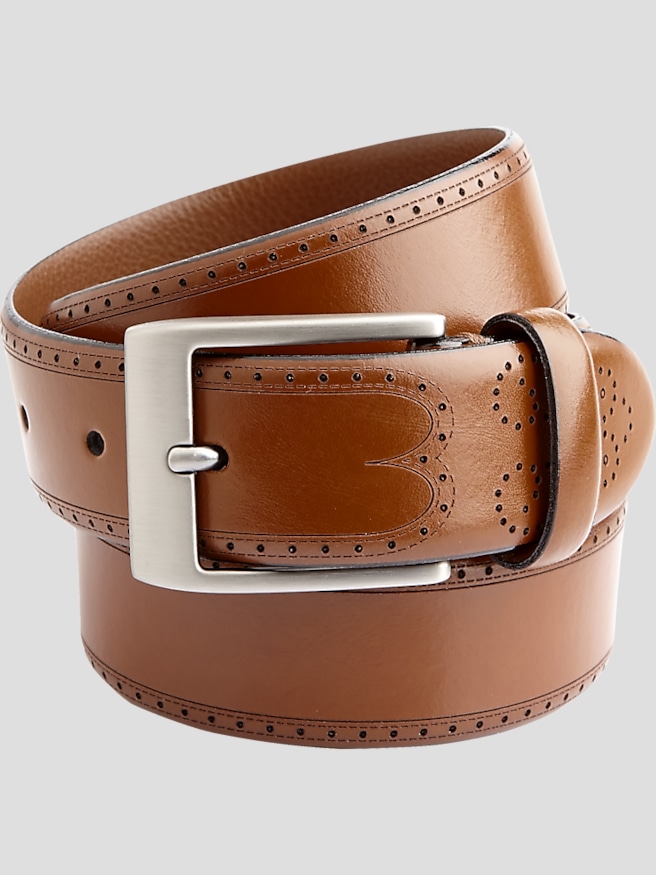
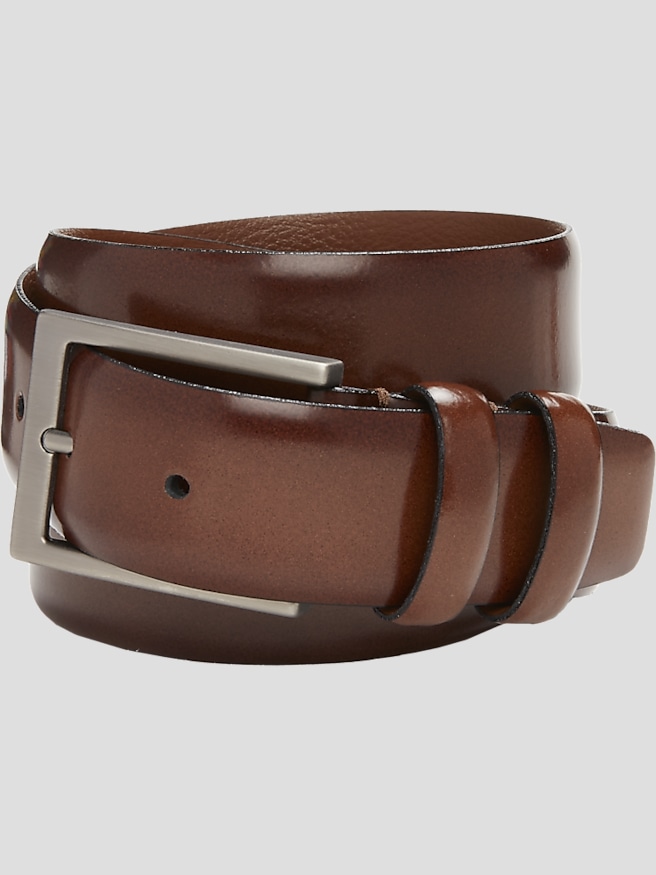
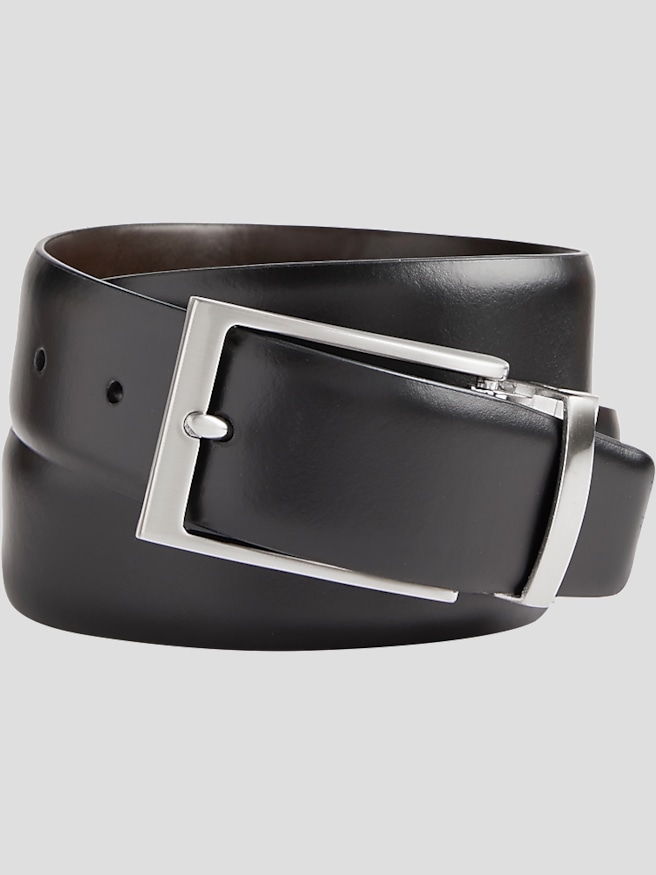
Branded belts combine an everyday function with a recognizable design identity, helping secure trousers while adding a finishing detail to an outfit. That identity may appear as a small embossed mark near the tip, a signature pattern along the strap, or a buckle that makes the label part of the look. The distinction is not simply how visible the branding is: materials, proportions, construction, and hardware all influence how a belt feels and wears. Leather remains a familiar choice because it can complement both tailored clothing and casual outfits, depending on its texture and finish. Full-grain leather retains the hide’s natural surface, including subtle variations that can develop character with use. Top-grain leather has a refined surface treatment and can offer a more uniform appearance. Suede introduces a soft, textured finish, while woven textiles and synthetic materials provide other options for color, flexibility, and visual interest. A leather description alone does not establish quality; the backing, edge finishing, stitching, and buckle attachment also deserve attention. Smooth edges should feel comfortable against clothing, and stitching should look even rather than loose or irregular. Hardware contributes just as much to the experience. A buckle with a clean finish and a secure fastening mechanism should be comfortable to operate without feeling awkward or oversized. Branding can express personal taste, but a familiar name is not a substitute for sound construction. For a belt worn several days a week, the most meaningful details are often practical: a strap that bends comfortably, adjustment holes that hold their shape, and a buckle that stays secure throughout the day. A reversible design can offer two finishes in one accessory, although its rotating hardware and edge construction affect ease of use. These details distinguish a belt chosen mainly for its visual statement from one intended to become a dependable part of a regular wardrobe, though a well-considered design can serve both purposes.
The right branded belt relates to the clothing around it rather than competing with every other detail. A narrower leather strap with a restrained buckle generally sits comfortably within a tailored outfit, especially when its width passes easily through the trouser loops. With dress trousers and a tucked-in shirt, the buckle occupies a visible position at the center of the outfit, so its size and finish make a noticeable difference. A subtle logo can add character without distracting from a tie, jacket pattern, or pocket square. Broader straps, textured leather, woven construction, and more expressive buckles often feel more at home with denim or casual chinos. Picture dark jeans, an oxford shirt, and leather boots: a belt with a lightly textured surface can connect those elements without making the outfit feel overly coordinated. For a business meeting, a smoother finish and simpler hardware may create a quieter transition between trousers and shoes. Black leather often works naturally with black footwear, while brown belts offer room to coordinate with brown, cognac, or burgundy shoes. An exact color match is not always necessary; similar depth of color and a compatible level of formality usually matter more than identical shades. Metal finishes can also relate to a watch or other accessories, although every detail need not match. A selection of Stylish Belts can encompass understated everyday choices and more distinctive designs, with branded details providing one way to express individual taste. For someone whose workday moves from a desk to dinner, a versatile belt can help the same trousers feel appropriate in both settings. For weddings, graduations, and other photographed occasions, balanced proportions and a neat fit usually make a stronger impression than an unusually large buckle. The most useful level of branding is ultimately personal: some people prefer an identifying detail that is noticeable only up close, while others enjoy making the buckle a focal point.
Fit determines whether those design choices remain comfortable after several hours of sitting, standing, and moving. Belt sizing is not always identical to trouser sizing, and measurement methods can vary by maker, so the relevant size chart matters more than a universal rule. Many leather belts are measured from the buckle area to a designated adjustment hole rather than from end to end. A comfortable fit leaves adjustment room in both directions and enough strap beyond the buckle to sit neatly through the keeper without extending excessively around the waist. Width matters too: a strap that barely squeezes through the loops can catch during dressing, while one that is too narrow may look out of proportion with substantial denim. Someone who spends long stretches seated may appreciate a buckle with a flatter profile and edges that do not press into the waist. Durability depends on appropriate use as well as construction. Pulling sharply on the tip, repeatedly fastening at a strained hole, or folding the strap tightly can place unnecessary stress on the same areas. Leather generally benefits from gentle cleaning with a soft cloth and care products suited to its finish; suede, coated surfaces, and synthetic materials may require different treatment. Manufacturer care directions are especially important before applying conditioner, polish, or a cleaning solution. Allowing a damp belt to dry naturally away from direct heat helps protect its shape and finish. Hanging it straight or storing it in a loose coil can reduce sharp creases, while occasional attention to buckle attachments and stitching can reveal wear before it becomes a larger problem. These practical qualities also make branded belts thoughtful gifts for birthdays, graduations, anniversaries, or a first professional wardrobe. The recipient’s usual footwear, preferred hardware, waist measurement, and comfort with visible logos offer useful clues. A carefully chosen belt can suit someone who enjoys a recognizable accessory just as well as someone who values a discreet finishing touch, bringing personal style and everyday utility into the same small detail.