Blue summer pants bring together an easy-to-coordinate color and fabrics suited to warm-weather dressing. Common styles include linen trousers, cotton chinos, seersucker pants, and lightweight dress pants, with shades ranging from pale sky blue to deep navy. Each combination has a slightly different character: light blue linen feels relaxed with an open-collar shirt, while navy trousers with a clean crease look polished enough for an office or an evening celebration. Fabric construction matters as much as fiber content. An airy weave can allow more circulation than a tightly woven fabric of a similar weight, and a full lining may add warmth even when the outer material feels light. Linen has a distinctive texture and natural tendency to wrinkle, making it especially appropriate for outfits that look comfortable rather than perfectly pressed. Cotton offers a familiar, soft feel, with lightweight twill providing more structure than some loosely woven alternatives. Seersucker’s puckered surface holds portions of the fabric away from the skin, giving it a breezy feel and a recognizable texture. Lightweight wool can also work for summer dress pants, particularly in open weaves that balance airflow with a smooth drape. Blended fabrics may combine these qualities with improved shape retention or easier care, depending on their construction. A small amount of stretch can make sitting and walking more comfortable, although stretch alone does not make a fabric breathable. Color adds another practical distinction. Pale blue gives a simple shirt-and-pants combination a softer appearance, medium blue offers more depth without looking as formal as navy, and dark blue moves easily between business-casual settings and dressier occasions. For a long afternoon that includes a lunch reservation, a walk through town, and dinner outdoors, the most useful pair balances freedom of movement with enough structure to keep the outfit looking intentional. The appeal is not just the summer color; it is the ability to feel appropriately dressed without relying on heavy fabric or a full suit.
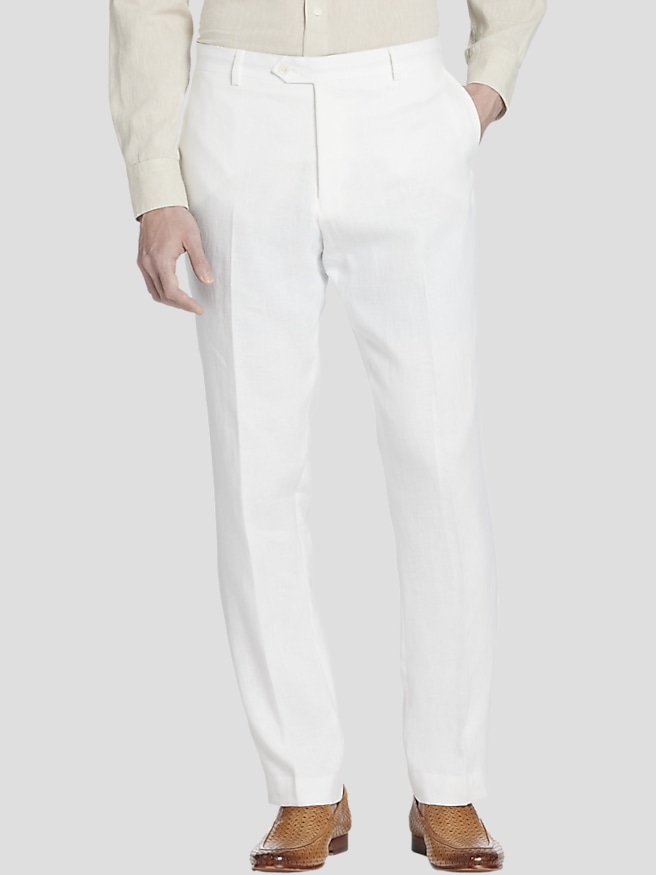
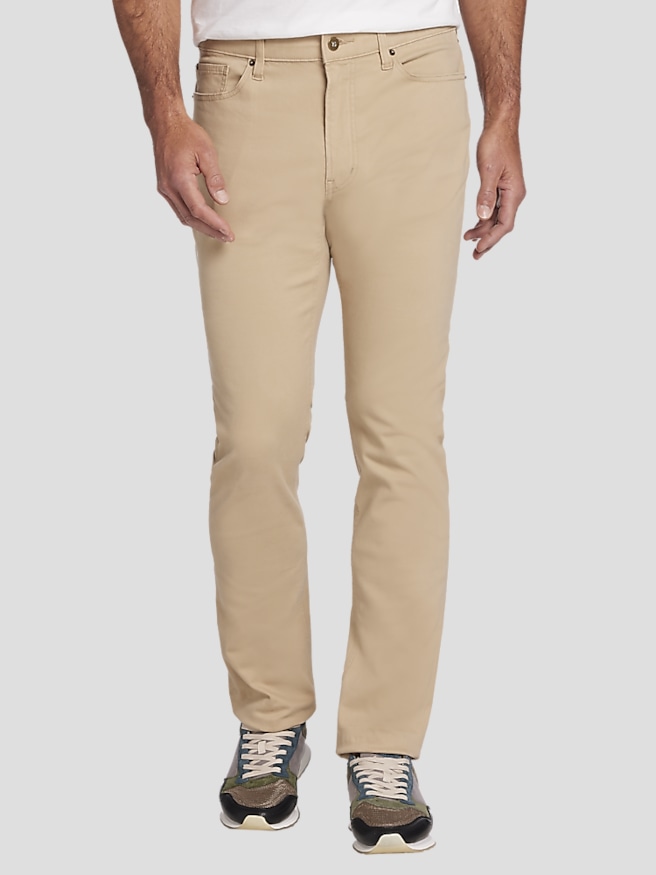
Fit determines how blue summer pants look and feel throughout the day. A waistband should sit securely without digging in when seated, and the front pockets should lie reasonably flat rather than pulling open. Through the seat and thighs, enough room for a natural stride helps lightweight fabric hang cleanly instead of stretching across the body. Slim cuts create a closer outline, straight legs provide a balanced shape, and relaxed fits leave additional room for movement and airflow. None needs to look oversized or restrictive when the proportions suit the wearer. The rise also affects comfort: a mid-rise waistband often works easily with untucked casual shirts, while a higher rise can create a longer leg line and provide comfortable coverage with tucked shirts. Hem length changes the overall impression just as noticeably. A clean hem with little or no break can feel crisp with loafers, while a modest break works well with traditional dress shoes. Excess fabric pooling at the ankle can make otherwise lightweight pants look heavier and less polished. Details such as pleats, drawstrings, belt loops, and pocket placement help distinguish relaxed pants from more tailored trousers. Pleats can provide useful room through the upper leg, while an adjustable waistband makes sense for casual travel or a laid-back weekend. For an outdoor wedding with a dress code that permits separates, blue trousers can anchor a light sport coat and a breathable dress shirt. For an ordinary office day, cotton chinos pair naturally with a polo or button-down and leather shoes. Off duty, a textured short-sleeve shirt and understated sneakers keep the same color family feeling easygoing. White, cream, gray, and tan all complement blue without competing with it, while brown leather accessories add warmth. For a brighter alternative alongside blue, white summer pants offer another foundation for warm-weather outfits. The most convincing combinations leave room for texture and fit to do the work, whether that means the subtle irregularity of linen or the smooth finish of tailored cotton.
Care and construction help determine how well summer pants hold up beyond their first few wears. Lightweight does not have to mean delicate, but fabric density, seam quality, and reinforcement at stress points all influence durability. Pocket openings, belt loops, and the seat seam receive repeated strain, especially when pants are worn for commuting, travel, or long days at a desk. Overfilled pockets can distort a clean silhouette and place extra stress on light fabric; carrying a bulky phone or wallet elsewhere can help preserve the drape. Care requirements vary by fiber, lining, finish, and trim, so the garment’s label should take priority over general assumptions about linen or cotton. Some pants tolerate machine washing, while others require professional cleaning. When washing is permitted, following the recommended temperature and drying method helps limit shrinkage, fading, and changes in texture. Excessive dryer heat can be particularly hard on fit and elastic fibers. Pressing or steaming should also match the fabric instructions: a sharp crease suits some dress trousers, while relaxed linen often looks better with its natural texture intact. Hanging pants after wear and letting them air out can reduce unnecessary cleaning when they are otherwise fresh. For travel, blue is a practical foundation because one pair can coordinate with several shirts and shoe choices, leaving more room in a suitcase. Wrinkle resistance may matter for a packed itinerary, while a softer, more relaxed finish may be preferable for a leisurely stay near the water. Blue summer pants can also make a useful gift for someone who favors versatile clothing, provided the size, preferred rise, leg shape, and care expectations are familiar. A pair intended for frequent office wear calls for different details than one meant for casual dinners or vacation afternoons. Matching those everyday habits matters more than choosing a color alone, and it helps the pants become a regular part of the wearer’s wardrobe.