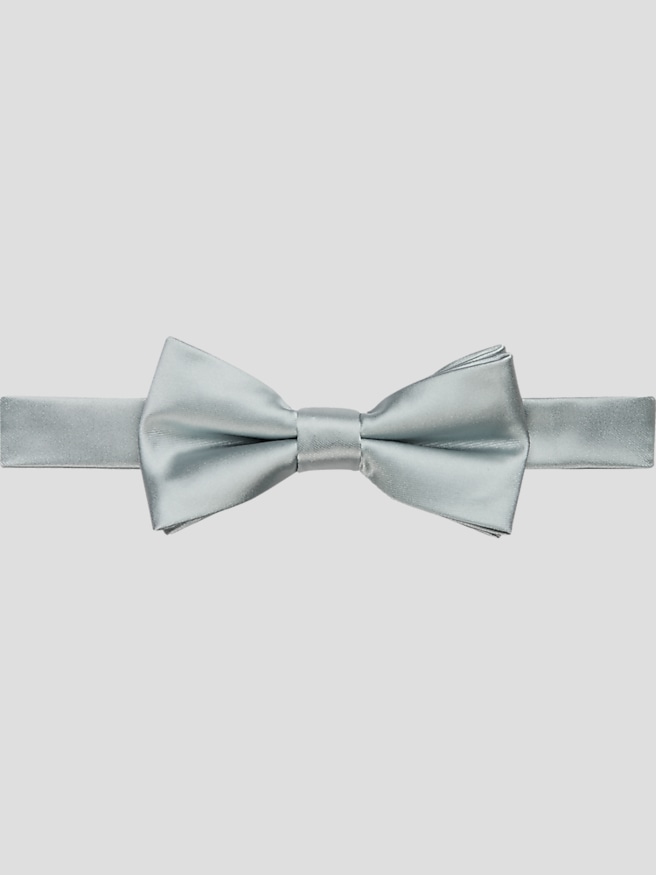
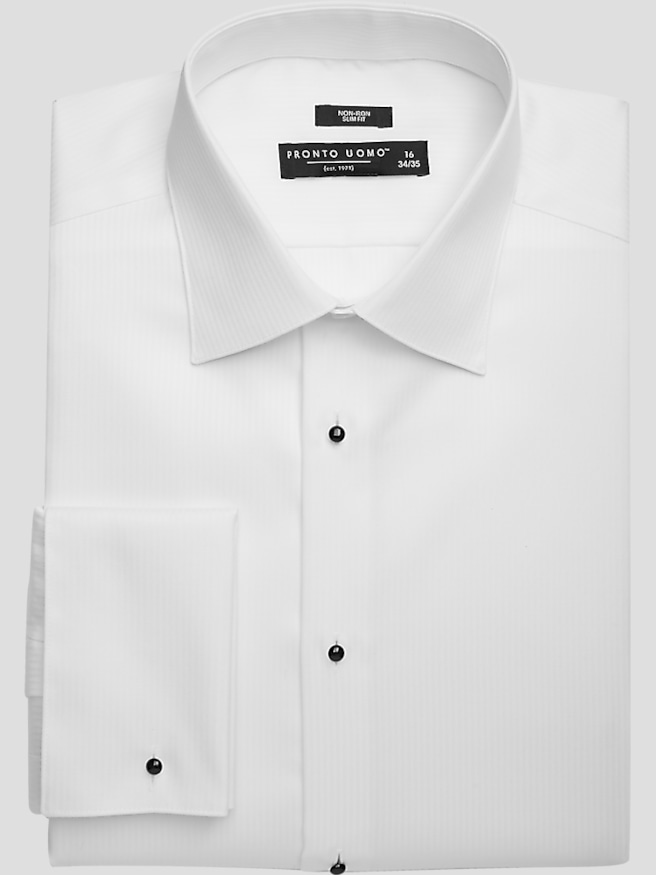
Blue and gray wedding colors create a polished, balanced palette for wedding attire, pairing the depth of blue with the versatility of gray. Dusty blue and light gray feel soft and understated, while navy and charcoal bring stronger contrast and a more formal presence. Mid-blue and medium gray sit comfortably between those extremes, making them useful for celebrations where the dress code calls for a suit without the ceremony of black tie. Within this palette, suits, dress shirts, ties, pocket squares, and dress shoes work together through differences in shade, texture, and proportion. A navy suit with a white shirt and a silver-gray tie has a crisp, composed look; a gray suit with a muted blue tie feels equally coordinated without appearing identical. For the groom and groomsmen, repeating one blue accent across gray tailoring can establish a clear connection while leaving room for individual details. The groom might wear a deeper blue tie or a subtly textured waistcoat, while the rest of the wedding party keeps the same gray foundation. Fathers and other close family members can echo those colors without duplicating the wedding party’s entire outfit. Guests can also wear the palette naturally, with the invitation’s dress code determining how formal the clothing should be. Deep shades have a strong presence against white shirts, pale flowers, and neutral ceremony settings, while lighter shades create gentler contrast in group photographs. White, ivory, and silver accents help connect blue and gray without introducing another dominant color. The most cohesive combinations usually have a clear lead shade rather than equal amounts of every color: a blue suit with gray accessories, for example, or gray tailoring with blue details. That balance makes the palette recognizable from the ceremony through the reception while allowing the clothing to look like a complete outfit rather than an exact match to the surrounding decorations.
Fabric gives blue and gray wedding attire much of its character, even when the colors appear similar at first glance. Wool suiting offers a refined drape and natural resilience, making it a practical foundation for a ceremony followed by hours of photographs, dinner, and dancing. A smooth worsted wool surface looks clean and tailored, while a subtle weave adds dimension to solid navy or gray without competing with patterned accessories. Wool blends can offer a different balance of softness, structure, stretch, and care requirements, depending on their composition. Fabric with a small amount of stretch may make sitting and moving more comfortable, but good fit remains more important than stretch alone. The jacket should rest smoothly across the shoulders, with lapels lying flat and enough room through the chest for comfortable movement. Pulling around the button, rippling across the upper back, or sleeves that cover the hands can interrupt an otherwise well-coordinated look. Trousers should sit securely at the waist and fall cleanly through the leg, with the hem suited to the cut and the shoes. A slimmer silhouette can look sharp without fitting tightly, while a roomier cut can still appear polished when the shoulders, sleeves, and trouser length are proportioned well. These details matter for grooms, attendants, and guests alike, especially during a long celebration. A dress shirt with a comfortable collar and sufficient room through the back helps maintain that ease beneath a jacket. Texture also affects how color reads: a matte gray fabric and a lustrous blue tie create a different impression from a smooth navy suit paired with a softly textured gray tie. Viewing the fabrics together in natural and indoor light helps reveal whether their undertones work well together. Close shades do not have to match perfectly, but intentional contrast tends to look more assured than fabrics that almost match.
Accessories give blue and gray wedding combinations their finishing detail without requiring every part of the outfit to repeat the same shade. A pale blue tie against a white shirt softens charcoal tailoring, while a navy tie gives light gray a stronger focal point. Small-scale patterns can introduce both colors at once, provided their proportions remain distinct from any pattern in the suit or shirt. A pocket square can pick up one accent rather than duplicate the tie exactly; a simple white fold also keeps the overall effect clean. Black leather shoes create a crisp finish with charcoal, and dark brown leather can bring a softer contrast to navy or medium gray when the dress code allows. Belts and shoes look most coordinated when their tones are compatible, while restrained metal details keep the palette from becoming busy. For black-tie invitations, a tuxedo and the requested formal accessories take precedence over adapting an ordinary suit to the color theme. Wedding-party coordination also works best when shared details are specific enough to be recognizable: the same tie shade, similar shirt tones, or a consistent level of formality can connect several outfits without requiring identical fits. For a related color combination, Purple And Gray Wedding offers another direction, pairing gray with a richer accent. Beyond the celebration, blue and gray tailoring can remain useful for business occasions, dressy dinners, and future invitations, particularly when patterns and details are understated. Thoughtful care helps preserve that versatility. Following each garment’s care label, addressing stains promptly with appropriate professional advice, and avoiding unnecessary cleaning can help protect the fabric and finish. A supportive jacket hanger, properly hung trousers, and storage with room around the garments help maintain their shape. Brushing away surface lint and allowing clothing to air after wear can refresh it between occasions. With coordinated colors, comfortable proportions, and careful upkeep, the outfit can feel considered in wedding photographs and remain practical long after the reception.