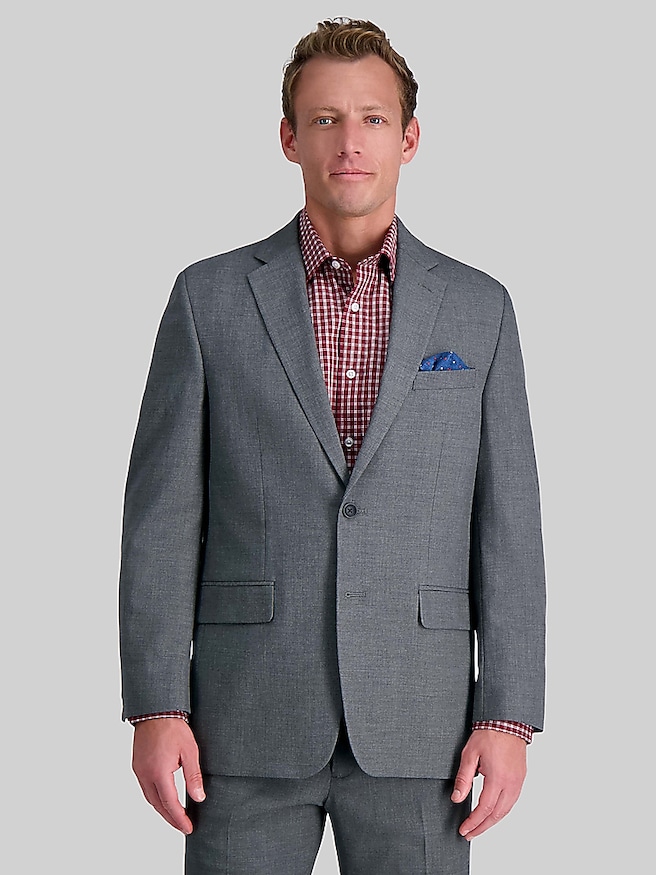
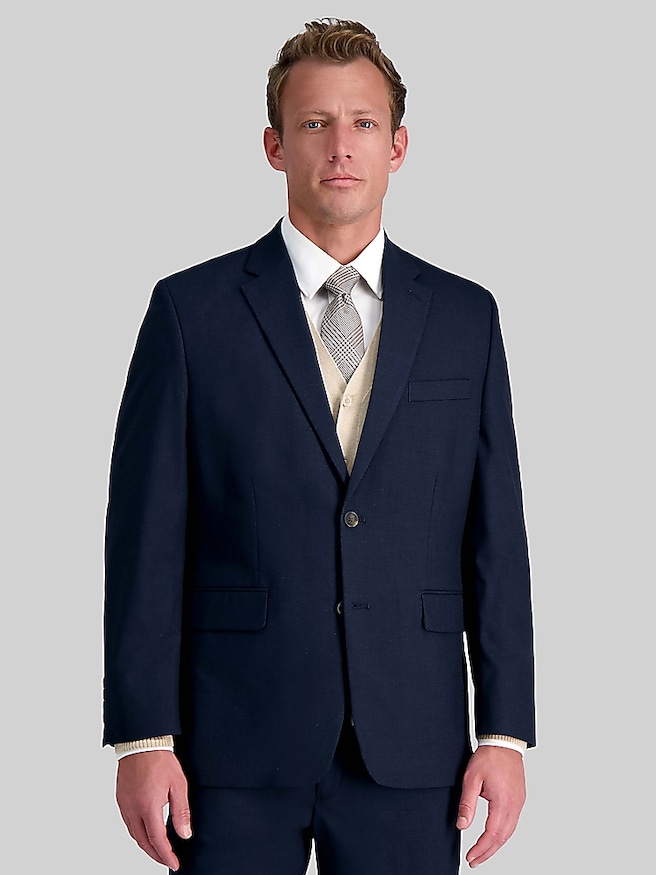
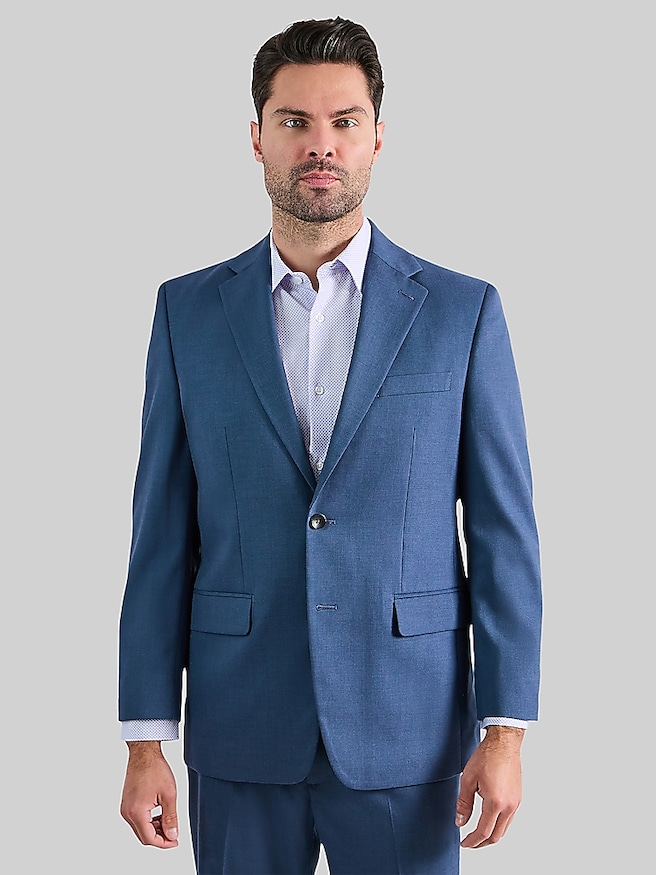
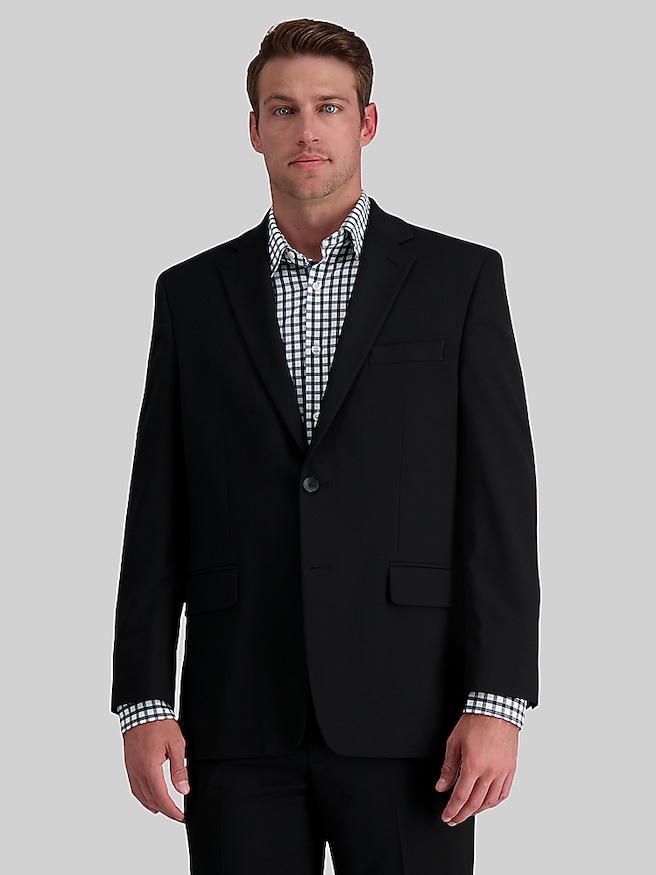
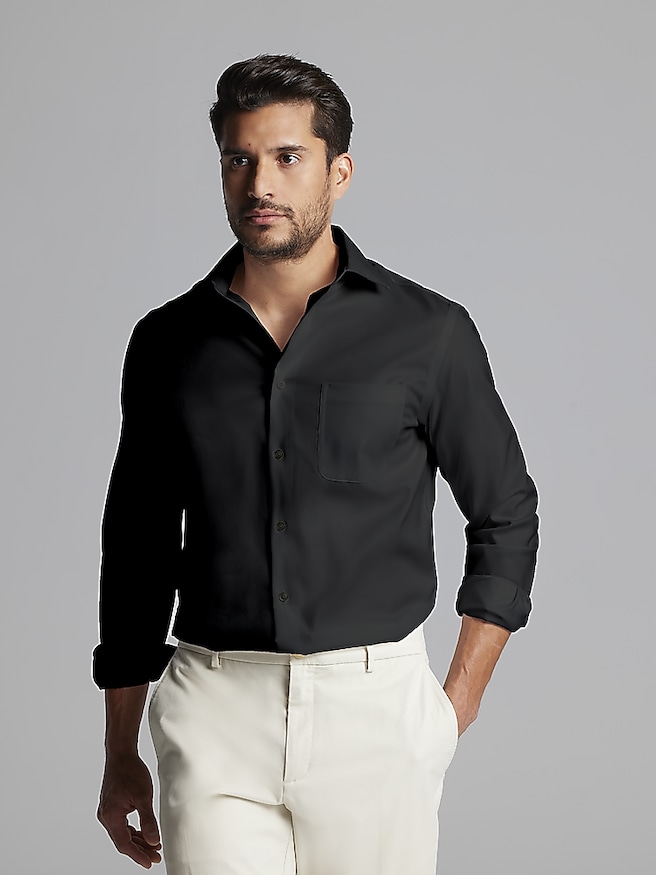
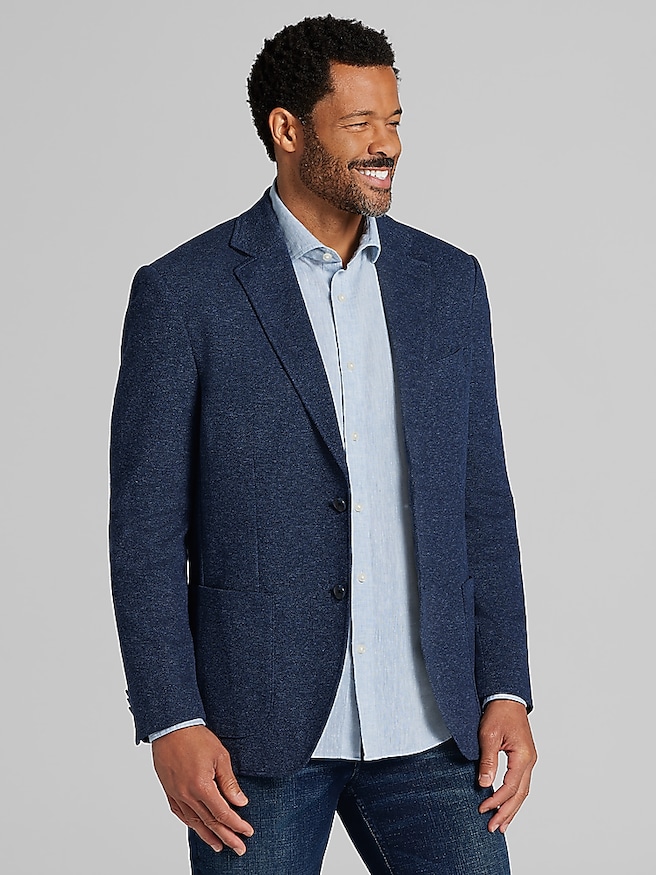
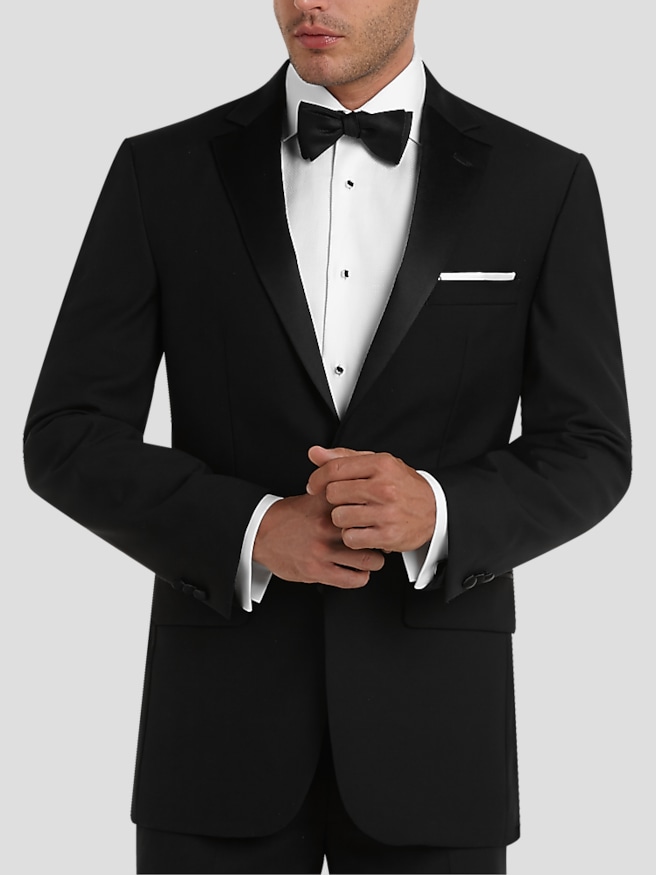
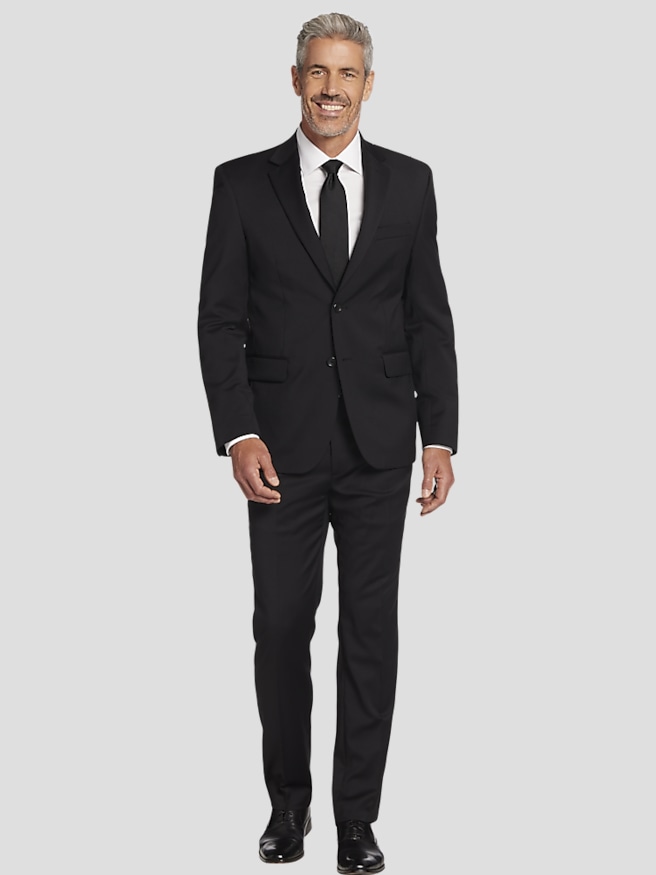
Blazers for Valentine’s Day bring a tailored finish to dinner reservations, theater plans, and evenings that call for something more polished than an everyday shirt. Burgundy, deep red, and muted pink echo the occasion without requiring a novelty pattern, while navy, charcoal, and black offer an understated backdrop for a romantic evening. A burgundy blazer over a white dress shirt has a crisp, expressive look; the same color worn with a black fine-gauge knit feels quieter and more relaxed. Soft pink pairs naturally with gray trousers, while a navy jacket can carry a small touch of red in a pocket square or tie. The appeal is in the balance: one distinctive color or texture gives the outfit character without making every piece compete for attention. Unlike a suit jacket intended to match its trousers, a blazer works as a separate, making it useful for plans that fall between casual and formal. For a neighborhood restaurant with a relaxed dress code, dark, clean-finished denim and leather loafers can complement a softly structured jacket. Tailored trousers, a pressed shirt, and polished lace-up shoes create a sharper impression for an upscale dining room. The setting still matters more than the holiday itself; a blazer is not a substitute for a tuxedo when an invitation specifies black tie. For celebrations with a dressier expectation, Formal Clothes For Valentine's Day provides a related point of reference. Lapel shape also influences the overall effect. Notch lapels tend to feel versatile and familiar, while peak lapels add a more pronounced, dressed-up line across the chest. A single-breasted front keeps the silhouette straightforward, and a double-breasted front brings more visual structure. Neither needs elaborate accessories to feel special. A neatly folded pocket square, a belt that works with the shoes, and a shirt collar that sits cleanly beneath the jacket can be enough to make the whole outfit feel considered.
Fabric gives a Valentine’s Day blazer much of its personality, especially at close range across a dinner table. Wool often provides a smooth drape and natural resilience, helping a jacket maintain its shape through sitting, standing, and walking between stops. Finer, smoother weaves read as dressier, while a visible weave or softly brushed surface gives tailoring a less formal character. Wool blends vary according to their fiber content and construction; some incorporate stretch for easier movement, while others emphasize texture or a lighter feel. Cotton generally has a more relaxed appearance and can develop creases that become part of its character. Knit constructions offer flexibility and a softer outline, making them well suited to an evening that involves a long meal or a performance. Velvet brings depth to darker colors, with a surface that catches the light as the wearer moves. That richness can make a burgundy or midnight-blue jacket the focal point of an otherwise simple outfit. Texture is most effective when the surrounding pieces give it room: smooth trousers and a restrained shirt help a plush jacket look intentional rather than busy. Lining and internal structure matter just as much as the outer fabric. A smooth lining helps the blazer slide over a shirt, while lighter internal construction can create a more relaxed drape. More built-up shoulders produce a defined profile, but they should still follow the wearer’s proportions rather than extend conspicuously beyond them. Fit is especially noticeable when a jacket is buttoned. The lapels should lie flat, the chest should feel comfortable, and the front should close without an obvious X-shaped pull around the button. Sleeves should allow a small amount of dress-shirt cuff to show, and the collar should rest close to the shirt collar without a large gap. Enough room to reach for a glass or sit comfortably is essential; a sleek silhouette should not come at the expense of natural movement.
The most useful blazers for Valentine’s Day have a place in the wardrobe after the celebration, whether that means anniversary dinners, engagement parties, evening receptions, or a polished day at the office. A solid color with restrained detailing generally adapts more easily than a strongly themed print, and a subtle pattern can add interest while remaining easy to repeat. Someone who usually wears dark trousers may get frequent use from a textured gray or rich burgundy jacket, while a person who favors lighter shirts might prefer the contrast of navy. As a gift for a partner, husband, or fiancé, a blazer feels more personal when its color and construction reflect how the recipient already dresses. An existing jacket that fits well can provide a useful reference for shoulder width, chest size, sleeve length, and overall length. Tailoring may refine sleeves or the waist, but the shoulders and basic proportions should be close from the start. Durability depends on more than fabric weight: secure buttons, tidy seams, a stable lining, and cloth that recovers after gentle movement all contribute to lasting wear. Good care helps preserve those qualities. The care label should determine the cleaning method, since wool, velvet, cotton, and blended fabrics do not all respond the same way to water, heat, or pressing. After an evening out, a broad, shaped hanger supports the shoulders, and space around the jacket allows it to air before storage. Emptying the pockets prevents unnecessary strain and helps keep the front from stretching out of shape. A suitable clothing brush can lift surface dust from many woven fabrics, while velvet needs handling that respects its directional pile. Direct ironing can flatten texture or leave shine, so pressing methods should suit the material. Small habits during wear also protect the silhouette: leaving the bottom button of a conventional two-button, single-breasted blazer undone and unbuttoning it before sitting reduce pulling across the front. With thoughtful proportions, comfortable fabric, and considered care, a Valentine’s Day blazer can feel distinctive for the occasion without being limited to a single evening.