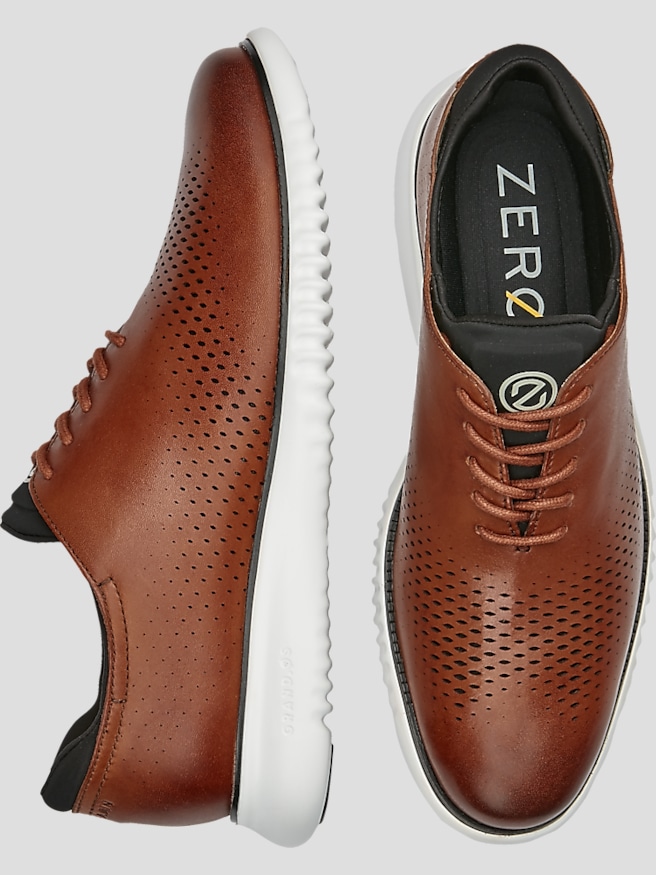
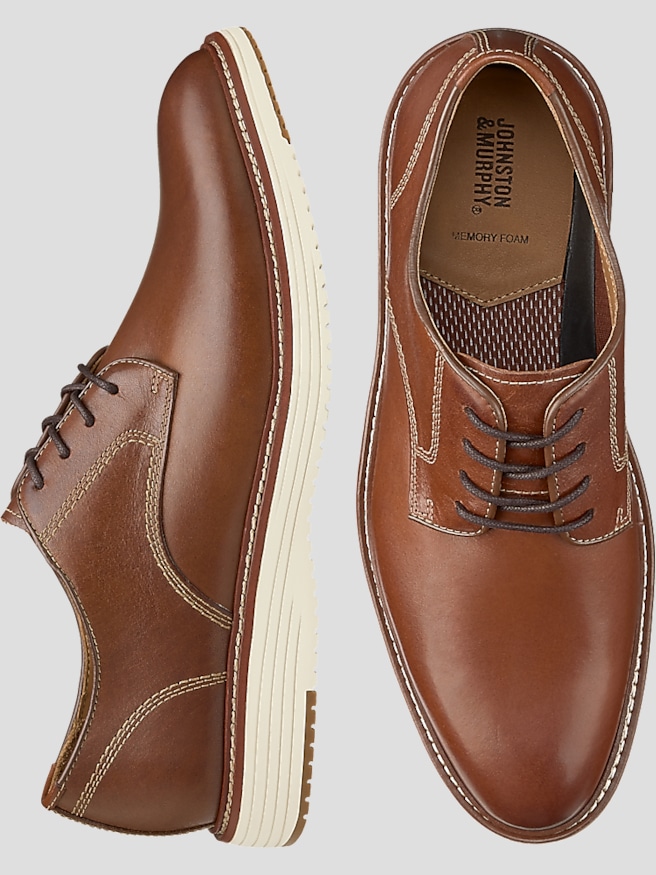
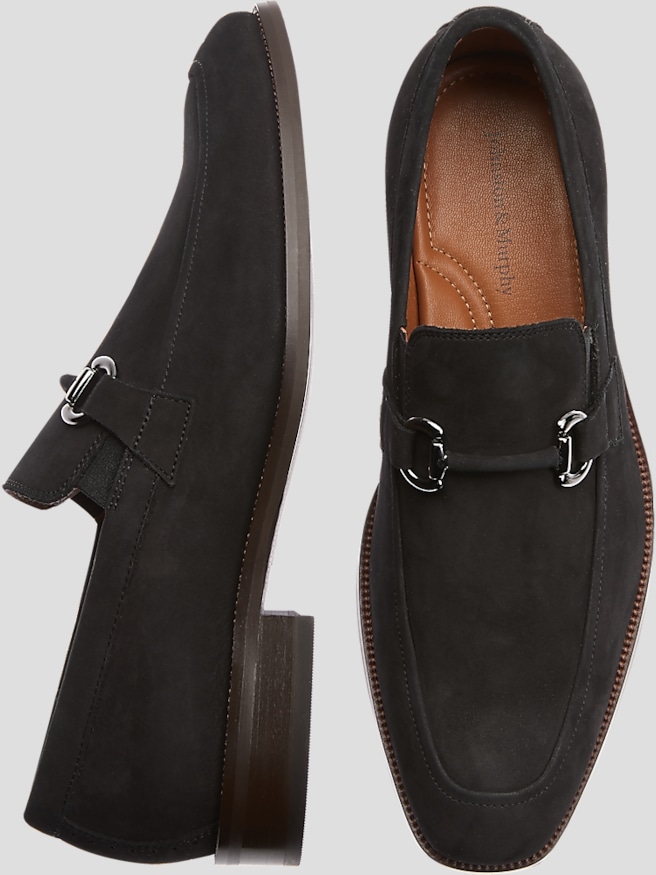
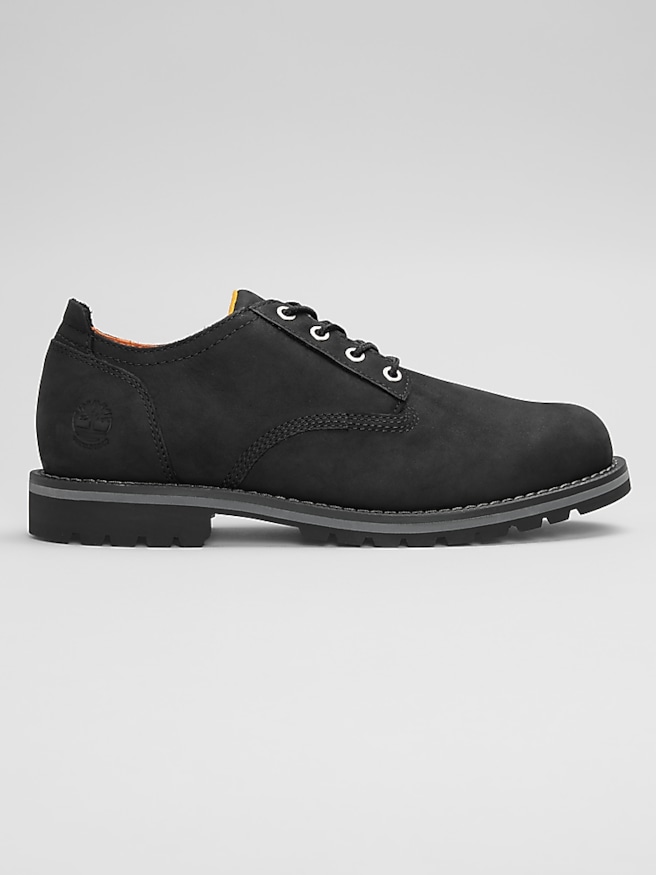
Oxford shoes bring a clean, composed finish to tailored clothing, with a low profile that lets the shape of the shoe and the quality of its finish do the talking. Their defining feature is closed lacing: the sections holding the eyelets sit beneath the front portion of the upper, creating a neat line across the instep when the laces are tied. That construction gives Oxfords their distinctively dressy appearance, whether the design has an uninterrupted plain toe, a horizontal cap-toe seam, or decorative perforations known as broguing. Black Friday is a natural occasion to consider how these details fit into an established wardrobe, from the shoes worn for important presentations to the pair reserved for celebrations. A smooth black Oxford has a restrained look alongside charcoal or navy tailoring, while brown tones can introduce depth and contrast with blue suits, textured trousers, and less formal combinations. Broguing adds visual interest and generally makes the overall impression less formal than an otherwise similar unadorned design. Toe shape matters just as much: a gently rounded or softly tapered profile tends to complement a broad range of trouser silhouettes without drawing excessive attention to the feet. For a wedding guest, that balance can carry a look from the ceremony through an evening of conversation and dancing; for someone building a professional wardrobe, it creates continuity between a first interview and everyday office wear. The broader Black Friday Shoes collection offers another point of reference for footwear that works with dressed-up clothing. Within that context, Oxfords stand out for their precise silhouette and longstanding connection to tailoring. Their appeal is not limited to highly formal settings, though. A brown cap-toe Oxford beneath wool trousers and a fine-gauge sweater can look thoughtful without feeling ceremonial, particularly when the trouser hem falls cleanly and leaves the upper visible. The result is footwear with a recognizable character, shaped by small choices in color, proportion, and surface detail rather than oversized accents.
Materials and construction influence how Oxford shoes feel, age, and perform over repeated wear. Smooth leather can develop subtle creasing and character while retaining a polished appearance with appropriate conditioning and brushing. Full-grain leather preserves the natural surface of the hide, although that designation alone does not determine comfort or overall quality; tanning, thickness, finishing, and workmanship also contribute. Suede offers a softer, more textured look that often pairs comfortably with flannel trousers and understated separates, while high-shine finishes create a sharper visual effect for dressier occasions. Inside the shoe, a smooth lining, neatly finished seams, and cushioning placed where the foot bears weight can make a meaningful difference during a long reception or a day spent moving between meetings. Fit remains the foundation. Because closed lacing allows less adjustment over the instep than an open-laced design, the upper should feel secure without pressing hard across the top of the foot. The heel should stay reasonably stable during a normal stride, and the toes need room to rest naturally rather than curl or squeeze together. A tapered toe may extend beyond the toes as part of its shape; that extra length is not automatically a sign that the size is too large. Width and the shape of the last—the form around which the shoe is built—help explain why two pairs in the same labeled size can feel noticeably distinct. Trying shoes with the dress socks intended for regular wear gives a more useful impression than relying on length alone. Leather may soften with wear, but a painful pressure point is not something to dismiss as an inevitable break-in stage. Underfoot, leather soles offer a traditional finish and can feel sleek, while rubber soles may provide more cushioning or grip, depending on their design and the walking surface. Welted construction can support future sole replacement when the shoe and its condition permit it, while other construction methods may prioritize lightness and flexibility. Each detail affects the practical experience beyond the mirror.
The lasting usefulness of Oxford shoes depends on how well their level of formality matches the occasions ahead and how consistently they are cared for between outings. Someone who wears a suit several days a week may value a restrained shape that repeats easily with multiple outfits, while an occasional wearer may focus on a versatile color for graduations, anniversary dinners, religious services, and weddings. For a recipient beginning a career or taking on a role with more client-facing responsibilities, Oxfords can also be a thoughtful gift, especially when their usual size, width, and style preferences are known. An understated design is often easier to integrate into an existing wardrobe than an unusually elongated toe or a highly decorative upper. Proportion helps the finished outfit feel coherent: a slim shoe typically sits comfortably beneath a tapered trouser leg, while a fuller silhouette may work better with a little more room through the hem. A leather belt in a compatible color and level of shine can connect the outfit without requiring an exact match. Maintaining that composed appearance calls for care suited to the material. Smooth leather benefits from removing surface dust with a soft brush, conditioning when needed according to the leather and care instructions, and using an appropriate cream or polish to refresh the finish. Suede needs its own brush and suitable protective treatment rather than conventional leather polish. Testing any treatment in an inconspicuous area helps avoid an unwanted change in color or texture. After wear, allowing the shoes to air out and using properly sized shoe trees can help manage moisture and preserve their shape. A shoehorn reduces strain on the heel when putting them on, and loosening the laces before removal protects the opening from unnecessary stress. Rotating footwear gives each pair time to dry naturally between uses. Worn heel edges, thinning soles, and loose stitching deserve attention before they affect the upper or change the way the shoe sits underfoot. With a comfortable fit, suitable construction, and regular upkeep, Oxfords can remain a dependable part of getting dressed for the moments that call for a little extra polish.