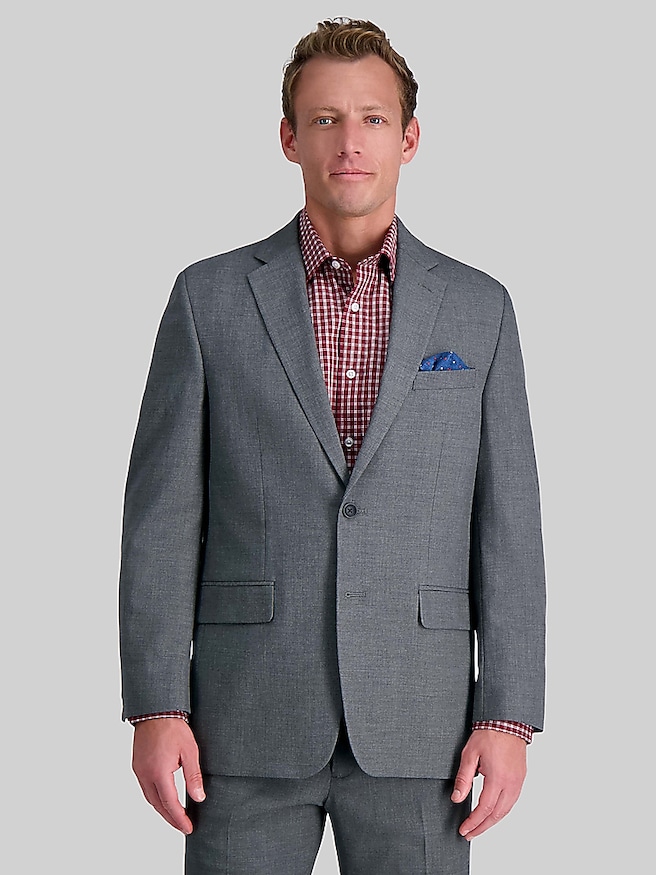
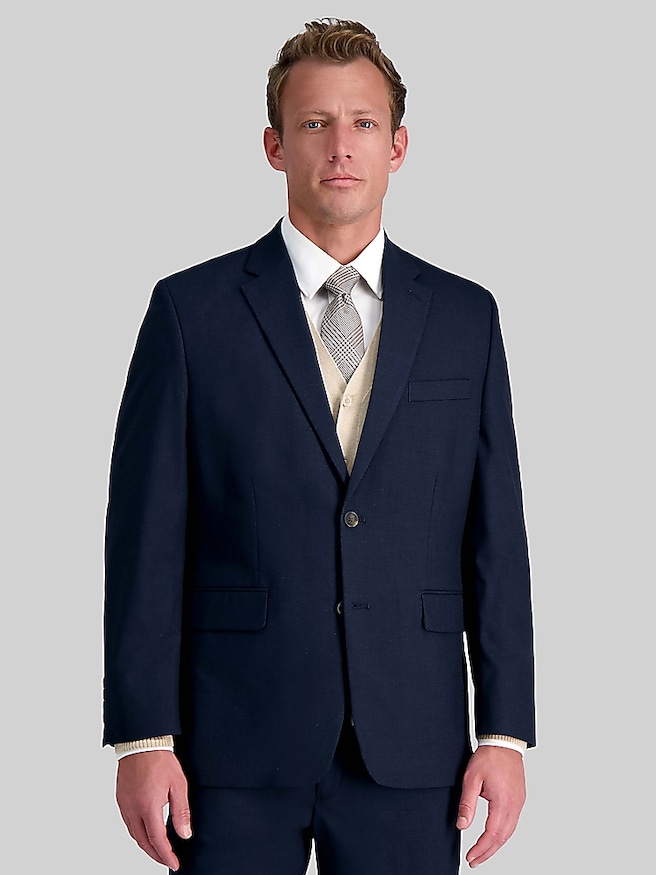
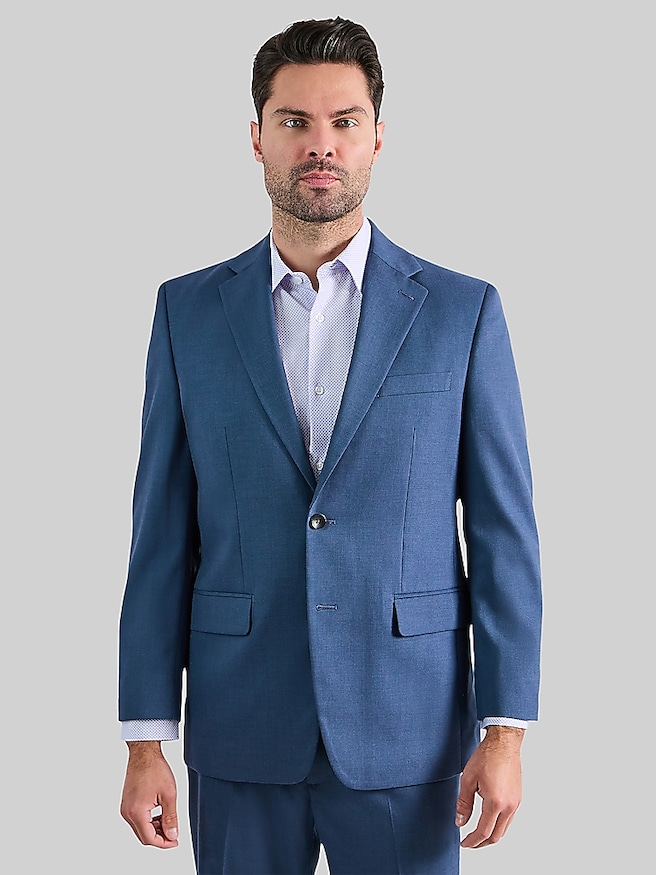
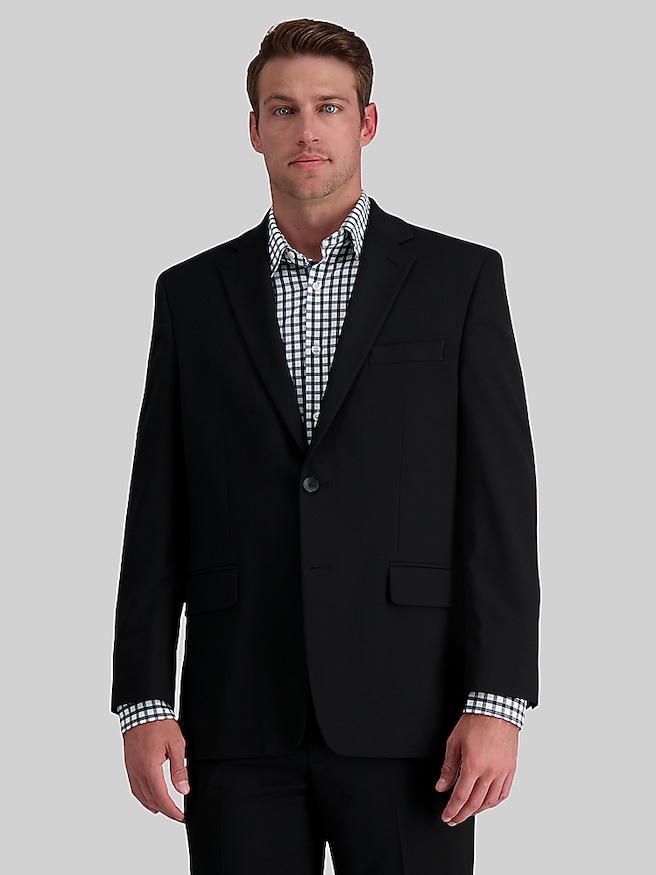
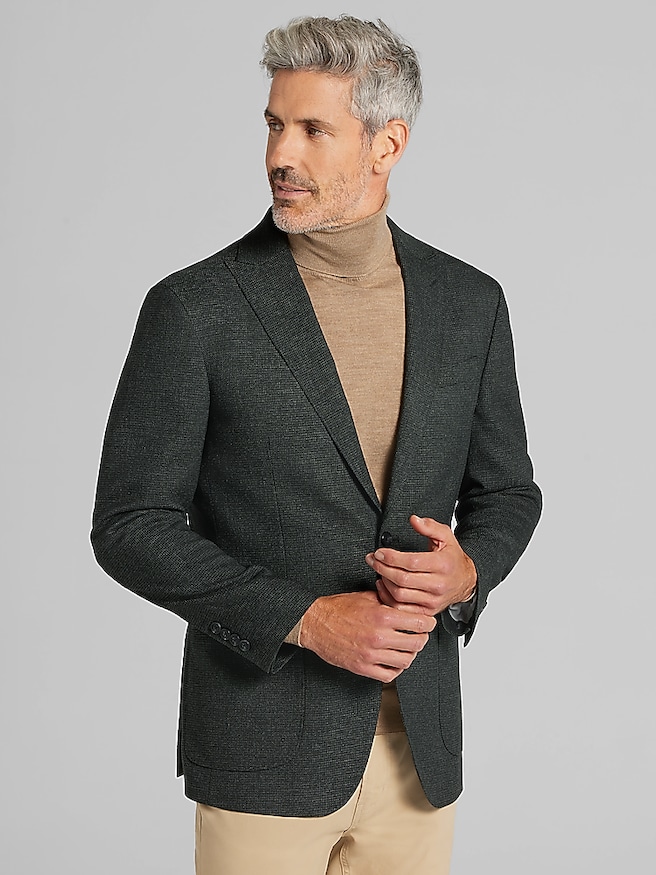
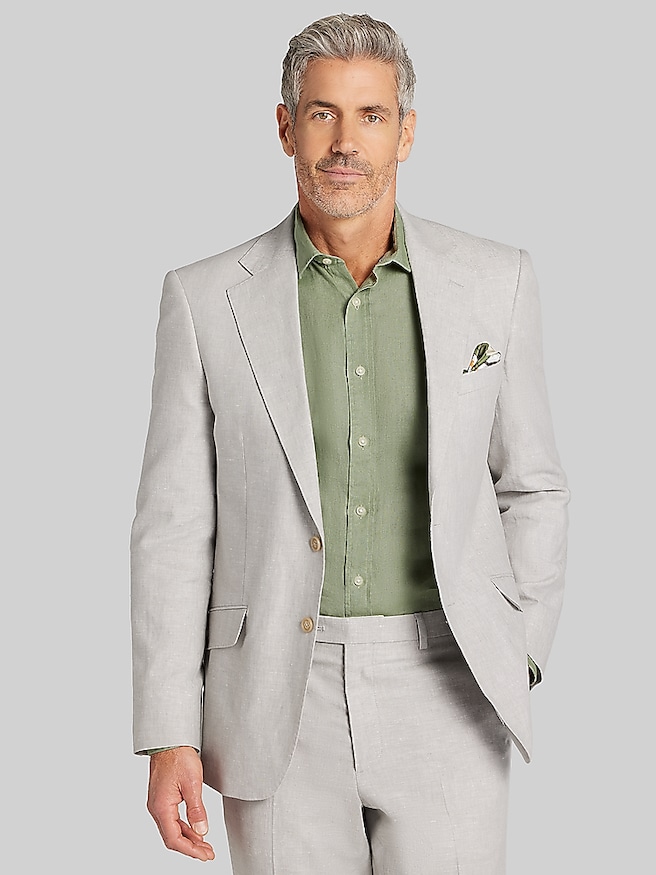
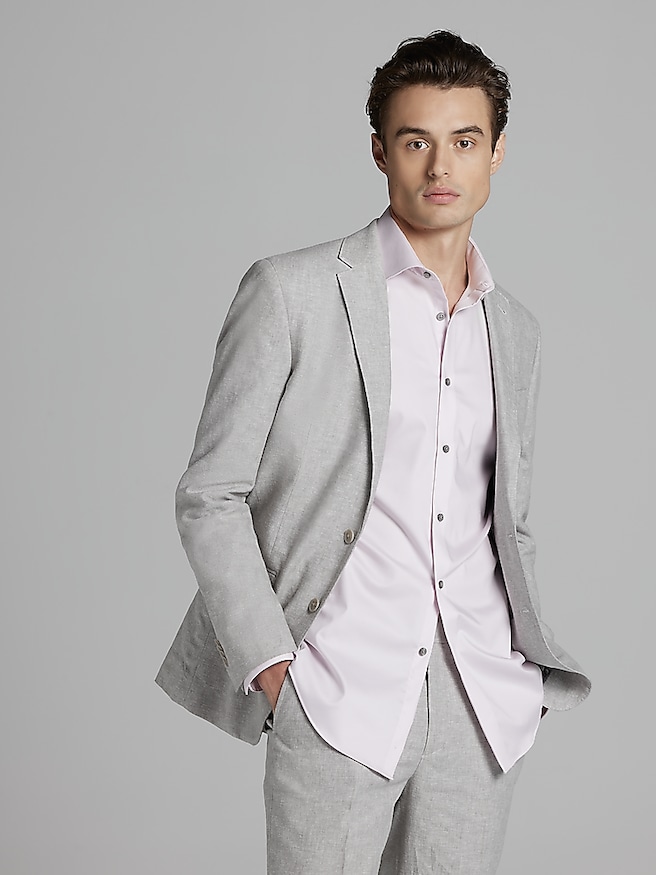
Modern fit suits bring a clean, shaped silhouette to tailored dressing without the close-cut feel often associated with slim fits. In a Black Friday search for a suit that can move between work, celebrations, and more formal gatherings, that balance has practical appeal. A modern fit generally sits between classic and slim, with some definition through the jacket waist and a streamlined trouser leg, though the exact proportions vary by maker and size. The result should look intentional rather than restrictive: shoulders that lie smoothly, a jacket front that closes without pulling, and trousers that follow the leg without clinging at the thigh or calf. For someone heading from a morning presentation to an evening reception, those details matter more than a dramatic silhouette. There should be enough room to sit at a conference table, reach for a handshake, or walk up stairs comfortably while the suit keeps its shape. Jacket length also contributes to the overall balance. A hem that provides appropriate coverage through the seat usually creates a more grounded look than one chosen simply to appear shorter and sharper. Sleeves can leave a small amount of shirt cuff visible, while trouser hems can be finished with little or a modest break according to personal preference and the shoes being worn. These are finishing details, not reasons to compromise on the underlying fit. Shoulders and chest deserve particular attention because adjustments there can be more involved than changes to sleeve length or trouser hems. Modern fit is a description of the cut, not a body type or an age group. It can appeal to an experienced suit wearer who prefers a neater outline, a recent graduate building a professional wardrobe, or someone who needs dependable tailoring for occasional events. The strongest choice is a suit that looks composed while standing and remains comfortable through the ordinary movements of a full day.
Fabric gives modern fit suits much of their character, affecting how they drape, recover from wear, and feel over several hours. Wool is a familiar suiting material because it can combine a smooth appearance with breathability and natural resilience. Its performance depends on the weave, weight, yarn, and construction, so two wool suits can feel quite distinct. A tightly woven cloth may have a crisp, structured finish, while another may feel softer and fall more fluidly over the body. Wool blends can bring together qualities from multiple fibers, including added strength or stretch, but the fiber label alone does not tell the whole story. A small amount of elastane can provide give when sitting or reaching; it does not compensate for a jacket that is too tight across the back. Synthetic blends may resist some wrinkling and offer a consistent surface, though comfort and drape still depend on how the cloth is made. For frequent wear, a fabric with a balanced weight and a substantial hand can be more practical than an exceptionally delicate cloth selected only for softness. The lining matters, too. It helps the jacket slide over a shirt and contributes to the way the garment feels in motion, while the internal construction supports the chest and lapels. Clean seams, secure buttons, neatly finished buttonholes, and a lining that does not tug are useful signs of careful finishing. Color and pattern add another layer of versatility. Navy and charcoal can move easily between interviews, client meetings, and wedding guest attire when the dress code calls for a suit. Medium gray feels a little less formal, while black creates a strong, reserved impression suited to certain evening occasions and ceremonies. Subtle texture, a restrained check, or a fine stripe can add depth without dominating the outfit. Viewed up close, those details give the cloth interest; from across a room, the overall effect can remain quiet and polished. That combination is especially useful when a suit needs to work with several shirts and ties rather than a single planned ensemble.
The way a modern fit suit is worn and cared for helps determine how useful it becomes over time. A white shirt, dark tie, and polished lace-up shoes create a straightforward foundation for an interview or a formal business setting. A pale blue shirt and a textured tie soften the effect without losing definition, while an open collar can work for occasions with a more relaxed dress code. The jacket collar should sit close to the shirt collar rather than leaving a noticeable gap, and a smooth tie knot should fit comfortably within the space between the collar points. Shoes influence the trouser finish as well: a narrow leg opening generally looks cleaner with a restrained hem break than with fabric gathering heavily over the shoe. For gift giving, suits are most successful when the recipient can participate in sizing and any necessary alterations. A graduation, career milestone, or important family celebration can make tailored clothing a meaningful choice, but knowing a shirt size is not enough to establish jacket and trouser fit. Height, chest, waist, seat, and preferred proportions all play a role. Shoppers exploring a broader size range can also consider Black Friday big & tall suits, keeping in mind that size range and fit description address separate aspects of how a garment is shaped. After wear, a broad, supportive hanger helps preserve the jacket shoulders, and properly hanging the trousers helps maintain their crease. Letting the suit air out before putting it away gives moisture time to dissipate. A clothing brush can lift surface dust, while prompt attention to spills can prevent a small mishap from becoming a lasting mark. Care labels should govern cleaning and pressing, especially for blended fabrics and structured jackets. Professional cleaning when needed, rather than automatically after every outing, can help limit unnecessary processing. Rotating between suits when possible also gives each one time to recover between wears. With thoughtful fit, suitable fabric, and consistent care, a modern fit suit can remain a dependable part of a wardrobe well beyond the Black Friday occasion.