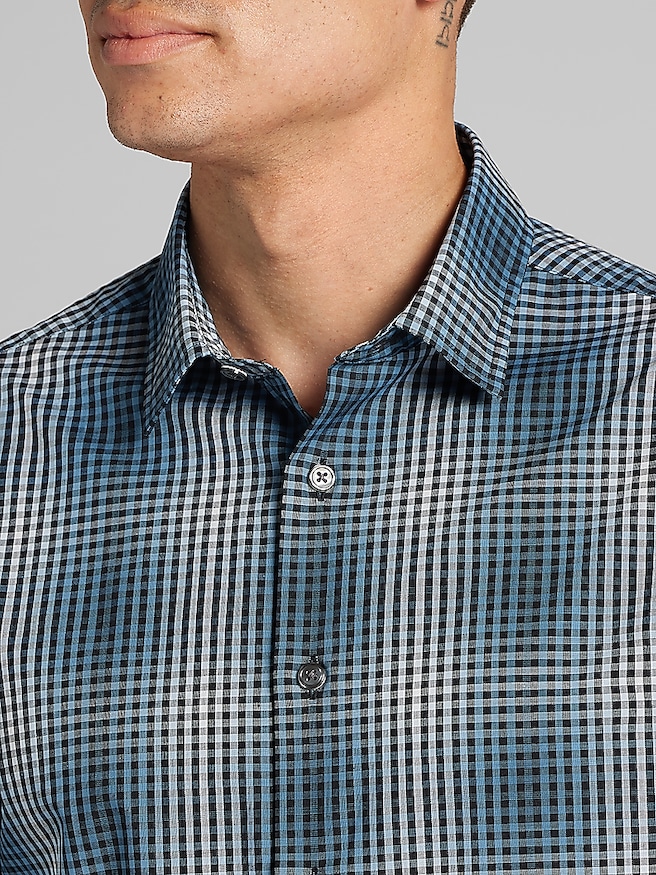
Men's flannel shirts are a familiar part of Black Friday shopping, bringing together a soft feel, practical layering, and patterns that work well beyond a single occasion. Their appeal starts with the fabric: flannel is typically woven and brushed to create a lightly raised surface, giving it that comfortable, broken-in touch. Cotton flannel is a common choice for everyday wear, while wool and blended fabrics offer other combinations of texture, warmth, and care requirements. Fiber content matters, but it does not tell the whole story. Fabric weight, weave, and the amount of brushing also influence how a shirt feels against the skin and how it hangs on the body. A lighter flannel can sit neatly beneath a sweater or casual jacket, while a heavier version has more substance when worn open over a T-shirt. Neither is automatically the better choice; the intended use makes the distinction. A shirt for a relaxed office needs to feel comfortable through a day at a desk, while one for weekend errands may be worn more often as an easy outer layer. Plaid is closely associated with flannel, although the two terms describe separate qualities: plaid refers to a pattern, and flannel refers to the fabric. Solid flannel offers the same soft texture with a quieter appearance, while checks range from small, understated repeats to broad blocks of color. For a closer look at that patterned side of the category, Black Friday Plaid Shirts brings the focus to intersecting lines and checks. Navy, gray, burgundy, and earth tones are easy to combine with familiar denim and chinos, while higher-contrast patterns make the shirt a more noticeable part of an outfit. A subtle check can blend into a casual wardrobe almost as easily as a solid, especially when its colors echo pants and layers already in regular rotation.
Fit determines whether a flannel shirt feels relaxed or simply oversized. Shoulder seams that sit close to the natural shoulder line usually create a cleaner shape, while enough room through the chest and upper back allows comfortable movement. Reaching for a steering wheel, folding the arms, or sitting down should not pull the button placket apart. A close-fitting cut can work well under a sweater, but it still needs breathing room at the waist and sleeves. A roomier cut makes sense for wearing over a substantial T-shirt, provided the cuffs and hem do not overwhelm the frame. Size labels alone rarely capture those differences, so chest, sleeve, and body-length measurements are useful when comparing fits. Shirt length also changes the finished look. A shorter hem with a modest curve generally looks natural untucked with jeans, while a longer tail provides more coverage when tucked into chinos. Collar shape, pocket placement, and sleeve volume contribute to the overall impression without requiring a complicated outfit. For a workplace that allows casual shirts, a smaller check with straight-leg chinos and leather shoes can look considered without feeling formal. Dark denim and simple boots give a bolder plaid a grounded weekend setting. Worn open over a plain crewneck, flannel becomes a relaxed layer for a family gathering, a neighborhood walk, or an afternoon spent moving between errands and home. The shirt should have enough room to accommodate that base layer without bunching beneath the arms. Under a jacket, smoother sleeves and a less bulky body help keep movement comfortable. Rolling the cuffs can make the look more casual, though a cuff that closes comfortably at the wrist is still important when sleeves are worn down. These small proportions often matter more than choosing the loudest pattern or the heaviest fabric. A flannel that fits the wearer's usual routine is more likely to become a dependable part of the weekly rotation.
Long-term satisfaction also depends on construction and care. An even weave, secure buttons, tidy seams, and reinforced areas around pockets and cuffs are useful signs of thoughtful construction. Softness is appealing from the first touch, but an especially fuzzy surface does not necessarily indicate a stronger fabric. Brushed fibers can develop pills through friction, particularly where sleeves rub against the body or a bag rests against the side. That surface wear is worth distinguishing from problems such as opening seams or thinning fabric. Care should follow the garment label, since cotton, wool, and blended flannels may need different treatment. For machine-washable styles, gentle washing with similar colors and avoiding unnecessary heat can help preserve the shirt's shape and finish. Cotton may shrink, especially with heat, so a shirt that fits closely before washing deserves particular attention to its drying instructions. Wool flannel may call for a specialized wash process or professional cleaning. Removing a washable shirt promptly after the cycle and smoothing the collar, placket, and cuffs can reduce creasing; any ironing should stay within the label's temperature guidance. Allowing the shirt to dry completely before folding or hanging also helps keep it fresh between wears. For holiday gift giving, flannel is a practical option for a dad, brother, partner, friend, or another recipient who prefers comfortable casual clothing. The most useful clues often come from a shirt that person already reaches for: its measurements, how loosely it fits, whether it is usually tucked in, and which colors show up repeatedly in the wardrobe. Someone who favors plain T-shirts and dark jeans may appreciate a restrained check, while a recipient who enjoys expressive casual clothes may prefer a larger pattern. Sensitivity to wool, preferences about fabric weight, and willingness to follow special care instructions are just as relevant as color. A well-chosen flannel earns its place through comfortable movement, manageable care, and enough versatility to work with clothes the recipient already enjoys wearing.