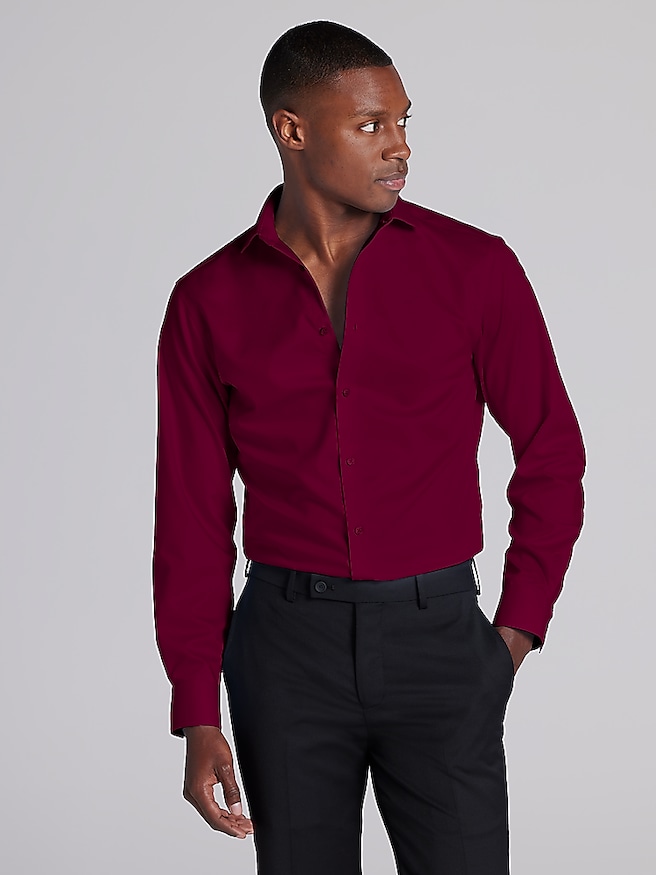
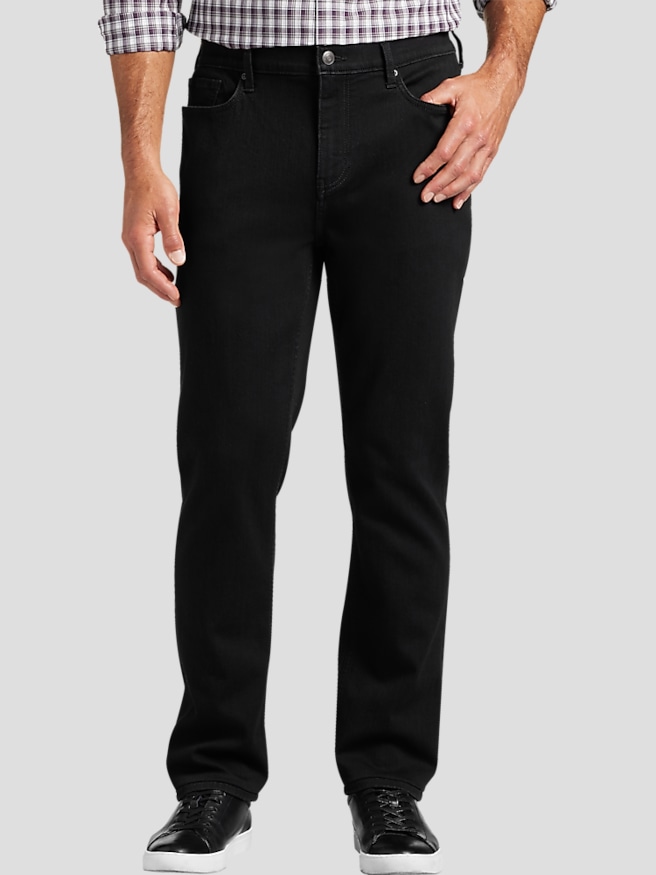
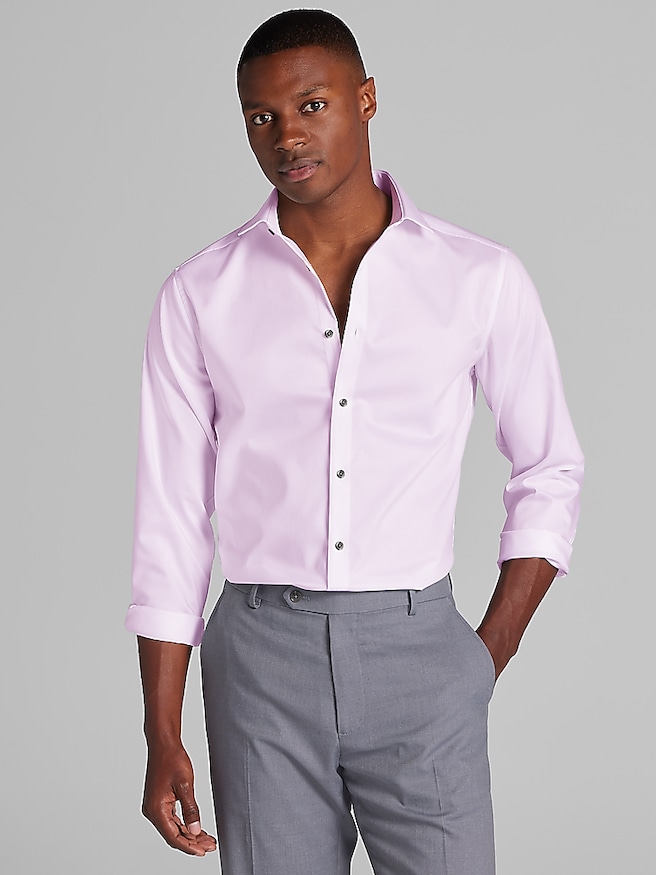
Black Friday big and tall clothing brings together extended-size dressing for workdays, celebrations, and time off, with proportions that matter as much as the size on the label. Big sizing generally allows more room through the chest, waist, seat, and thighs, while tall sizing typically adds length through the torso, sleeves, and legs. Someone with a broad build may need extra width without extra length; someone with a long torso may need a longer shirt without a wider body. Some builds benefit from both. These distinctions shape how clothing sits, moves, and layers, whether the occasion calls for a suit or a comfortable combination of knitwear and casual pants. A well-proportioned shoulder helps a jacket hang cleanly, adequate room through the upper arm makes reaching easier, and a balanced shirt length helps the hem stay tucked when sitting down. The goal is neither an oversized silhouette nor a close fit that pulls across the body, but enough ease to move while keeping a clear, intentional shape. For cooler months, that balance becomes especially useful when a shirt, sweater, and outer layer need to work together. A jacket that feels comfortable over a lightweight shirt may feel restrictive once a substantial knit goes underneath it. Everyday settings make these details noticeable: driving to the office, leaning across a conference table, or settling into a chair for a long dinner all call for clothing that accommodates movement. Black Friday is also an occasion to think about how extended-size clothing fits into an established wardrobe. Neutral shades, considered textures, and compatible proportions can connect dressier pieces with familiar everyday clothing, creating outfits that feel appropriate without requiring a complete change of style. For men who dress across several settings during the day, that flexibility can matter just as much as the appearance of an outfit in the mirror.
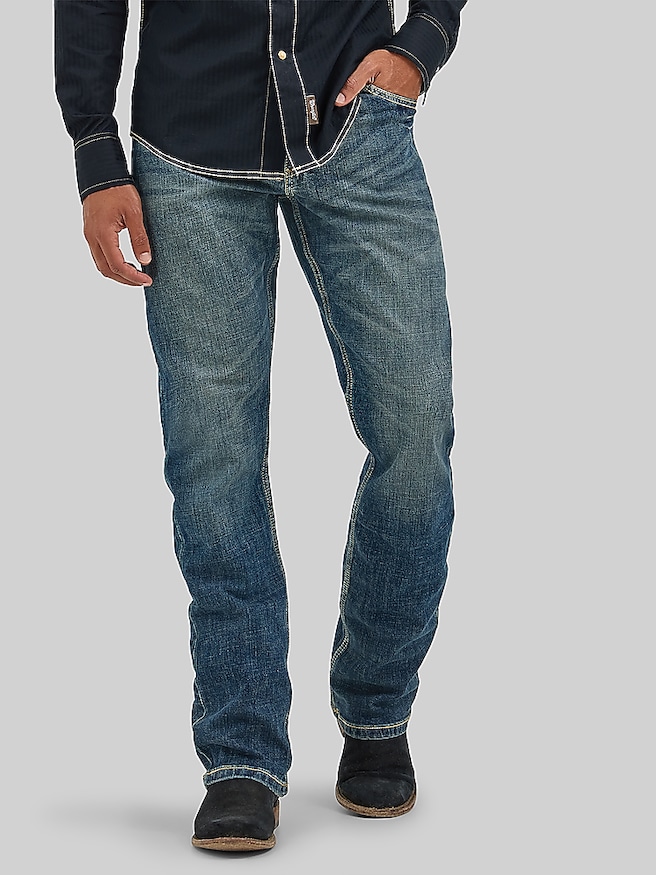
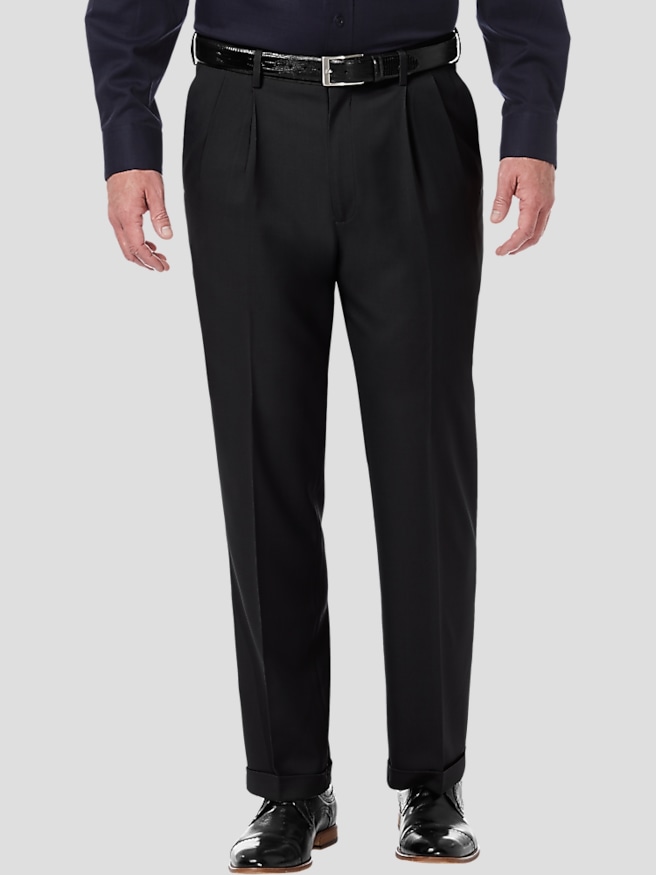
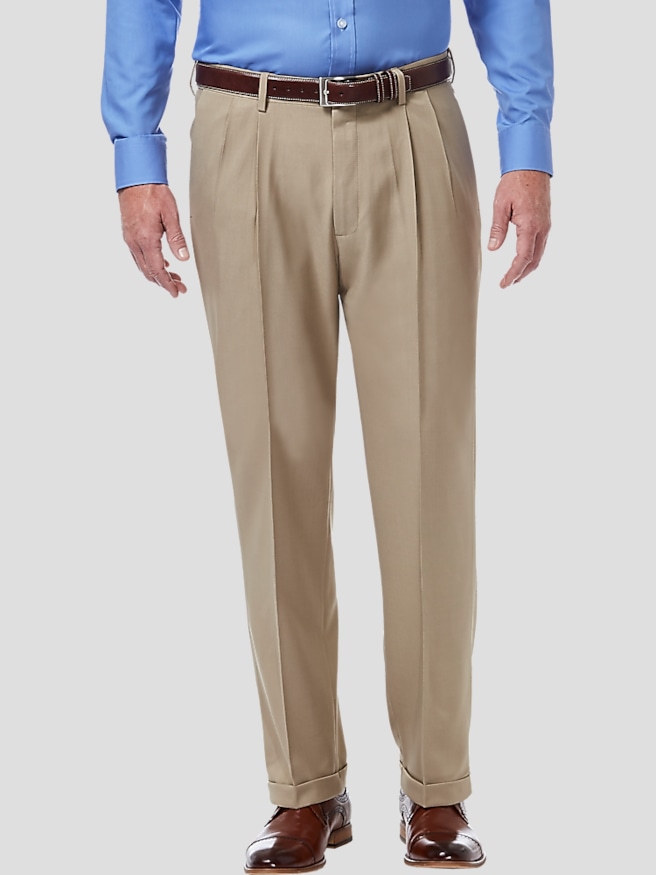
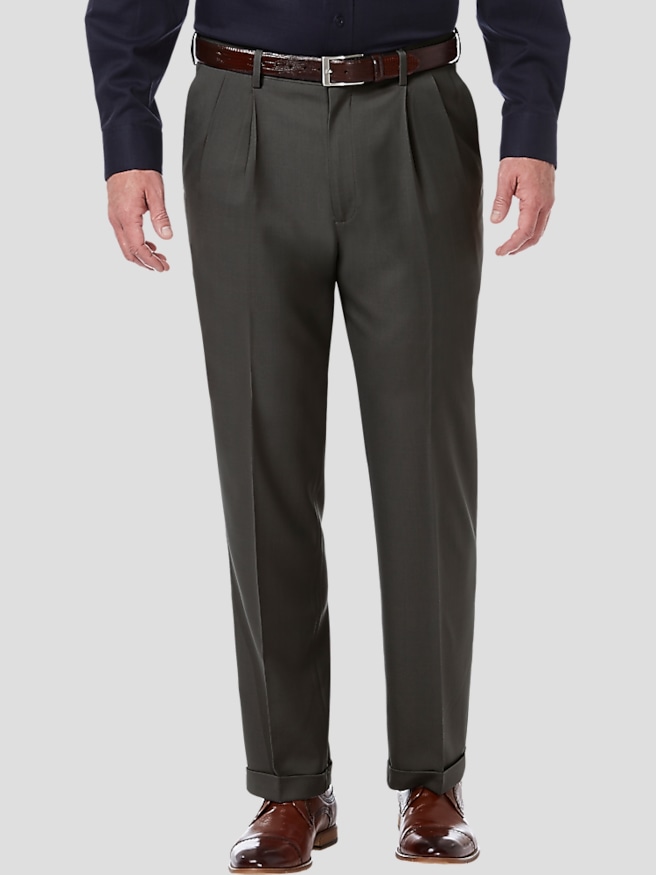
Fabric gives big and tall clothing much of its character, influencing warmth, drape, breathability, and the way a garment holds its shape. Wool suiting can provide a fluid line and a comfortable balance of warmth and breathability, with fabric weight and construction determining how substantial it feels. Cotton shirts range from smooth, crisp weaves suited to polished outfits to softer, more textured fabrics that feel at home in relaxed settings. Knitwear adds another dimension: a fine-gauge sweater can sit neatly beneath a jacket, while a heavier knit creates warmth and texture as an outer layer indoors. Blended fabrics may contribute stretch, wrinkle resistance, or strength, though those qualities depend on the actual fiber composition and construction. Stretch can make sitting and bending more comfortable, but it cannot compensate for a waistband, chest, or thigh that is too narrow. The same principle applies to pants, where rise, seat room, thigh width, and inseam work together rather than independently. A waistband should rest comfortably at its intended position, and the fabric through the seat should allow sitting without strong pulling or excess bunching. Leg shape also affects the overall balance: a straight cut can create a consistent line, while a tapered cut narrows toward the ankle and needs sufficient room above the knee. For related wardrobe options, Black Friday Pants connects the broader theme with a category that anchors both dressed-up and casual outfits. Footwear influences how a finished hem looks, since a substantial shoe and a low-profile loafer create distinct transitions at the ankle. In a complete outfit, these small relationships help fabric fall naturally instead of collecting in folds. A comfortable rise, a clean hem, and an upper layer with the right length can make a simple shirt-and-pants combination feel composed, whether worn at a desk, across a dinner table, or on a weekend visit with family.
Long-term usefulness comes from matching clothing to real routines and giving each fabric the care it needs. For someone who spends much of the day seated, comfort through the waist and thighs may take priority; for someone frequently moving between indoor meetings and outdoor travel, breathable layers can be more practical than a single heavy garment. Dress clothing for an occasional celebration has a distinct role from clothing worn through a full workweek, but both benefit from sound construction and a fit that does not place constant strain on seams. Neat stitching, securely attached buttons, and smoothly finished pockets are useful details to notice. Areas exposed to repeated friction, including cuffs, pocket edges, and the inner thigh, often show wear first, making adequate room and fabric suited to the intended use important considerations. Care labels remain the best reference for washing, drying, pressing, or professional cleaning. Excess heat can shrink some fabrics or affect elastic fibers, and hanging a heavy knit can stretch it out of shape. Folding sweaters, supporting tailored jackets on shaped hangers, and allowing clothing to dry fully before storage help preserve the silhouette. Minor alterations may refine a sleeve or trouser hem, but shoulder placement, torso length, and overall room establish the foundation before those adjustments. These considerations also make big and tall clothing a thoughtful gift when the recipient’s measurements and preferences are known. A familiar size label is a starting point rather than a guarantee, since measurements and cuts vary; knowing sleeve length, inseam, and preferred fit provides more useful direction. A gift chosen around an actual routine—a polished office wardrobe, frequent family gatherings, or relaxed evenings during cooler weather—feels personal because it reflects how the recipient lives. Across those occasions, the lasting value of Black Friday big and tall clothing lies in proportions, fabric, and versatility that continue to feel right well beyond the event itself.