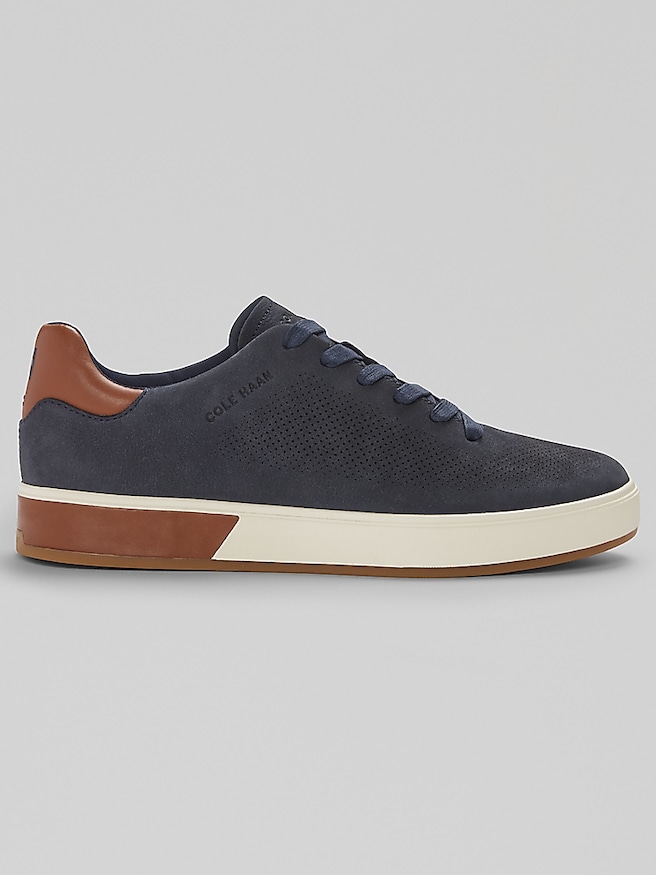
Black and white slip-on sneakers combine easy, lace-free wear with a two-tone palette that works across casual outfits. Their appeal starts with the contrast: black adds definition, while white brightens the shape and draws attention to details such as the sole, stitching, or trim. Depending on the design, the result can feel clean and understated, graphic and skate-inspired, or streamlined with an athletic influence. Within the broader category of Black And White Sneakers, slip-on styles stand out for their uncluttered uppers and convenient entry. Elastic side panels, stretch-knit openings, and flexible collars are common ways to create that easy-on shape without traditional laces. The simplicity makes these sneakers a natural companion for dark jeans, straight-leg chinos, casual trousers, and shorts. A black upper with a white sole creates a crisp line beneath cuffed denim, while a more evenly balanced black-and-white design can become the focal point of an otherwise quiet outfit. Keeping the rest of the clothing relatively simple lets the contrast look deliberate rather than busy. For a relaxed dinner, a knit polo and tapered chinos give the shoes a neat setting; for errands or a casual get-together, a T-shirt and jeans feel equally at home. Some streamlined versions can also complement an unstructured jacket in workplaces with a casual dress code, although they remain casual footwear rather than a substitute for dress shoes at formal occasions. The amount of visible white matters visually, too. A broad white sidewall adds a sporty edge, while smaller white accents keep the overall impression more subdued. Low-profile shapes tend to sit neatly beneath narrower pant openings, and fuller silhouettes balance wider or straighter legs. That range of proportions gives black and white slip-on sneakers versatility without requiring complicated outfit planning or a closet built around a single aesthetic.
Materials and construction influence how slip-on sneakers feel just as much as their appearance. Canvas typically brings a casual texture and a flexible feel, though its comfort depends on the lining, seams, and overall construction. Leather often gives the upper a smoother, more structured appearance, with care requirements that vary by finish. Suede adds a soft, textured surface but needs a cleaning approach suited to its nap. Knit and mesh uppers can offer flexibility and airflow, while synthetic materials vary widely in texture, structure, and maintenance needs. Neither a soft upper nor a thick sole automatically guarantees comfort; the complete shoe matters. Interior seams, collar padding, underfoot cushioning, and the shape of the toe box all affect the experience of wearing a pair through a commute, a lunch outing, or several hours on foot. Because slip-ons have no laces to tighten, the relationship between the heel, instep, and opening is especially important. A comfortable fit holds the heel securely without pinching the top of the foot, and the toes have room to rest naturally rather than pressing against the front or sides. Persistent heel movement or pressure across the instep can signal that the shape or size is not a good match. Stretch panels help with entry, but they should not have to compensate for an overly tight fit. The socks intended for everyday wear also influence fit, whether that means thin no-show socks or a more visible crew style. Underfoot, cushioning can soften the step, while a stable sole helps the shoe feel settled rather than loose. Tread texture and sole material affect traction, but a skate-inspired or athletic-looking sneaker is not automatically designed for technical sports or specialized workplace requirements. For everyday use, reinforced high-flex areas, even stitching, securely attached soles, and elastic that recovers its shape are useful construction details. They help distinguish a shoe that merely looks easy to wear from one built to handle repeated casual use.
Keeping the black-and-white contrast sharp takes material-appropriate care rather than aggressive scrubbing. White soles and trim tend to show scuffs clearly, while black uppers can reveal dust, lint, or pale residue from cleaning products. Removing loose debris before spot cleaning helps prevent dirt from spreading across contrasting panels. A soft brush or cloth is often useful for routine upkeep, but the manufacturer’s care directions should determine which cleaners and methods are suitable. Canvas, finished leather, suede, and knit do not respond the same way to water or cleaning solutions, and machine washing is appropriate only when expressly permitted. Testing a suitable cleaner on an inconspicuous area can help avoid discoloration, especially where black material meets white stitching or trim. Thorough air-drying away from direct heat helps protect the upper, adhesives, and elastic components. Letting shoes dry fully between wears and avoiding repeated crushing of the heel counter can also help preserve their shape. Even with careful upkeep, durability depends on walking habits, surfaces, construction, and frequency of use. Smoothly worn tread, a compressed footbed, separating edges, or elastic that no longer holds the foot securely are practical signs of wear worth noticing. For someone who spends much of the day walking, fit and support deserve more attention than the visual thickness of the sole alone. For someone choosing an easy pair for coffee runs, casual visits, or changing shoes after work, convenient entry and a comfortable interior may carry more weight. Black and white slip-on sneakers can also make a thoughtful gift for a person who favors straightforward casual dressing, particularly when their usual shoe size and preferred fit are known. A familiar color palette makes coordination easier, but matching the recipient’s preferred silhouette matters just as much. Whether the preference is for a restrained low-profile shape or a bolder graphic contrast, the strongest choice brings together an appealing look, a secure fit, and construction suited to the way the shoes will actually be worn.