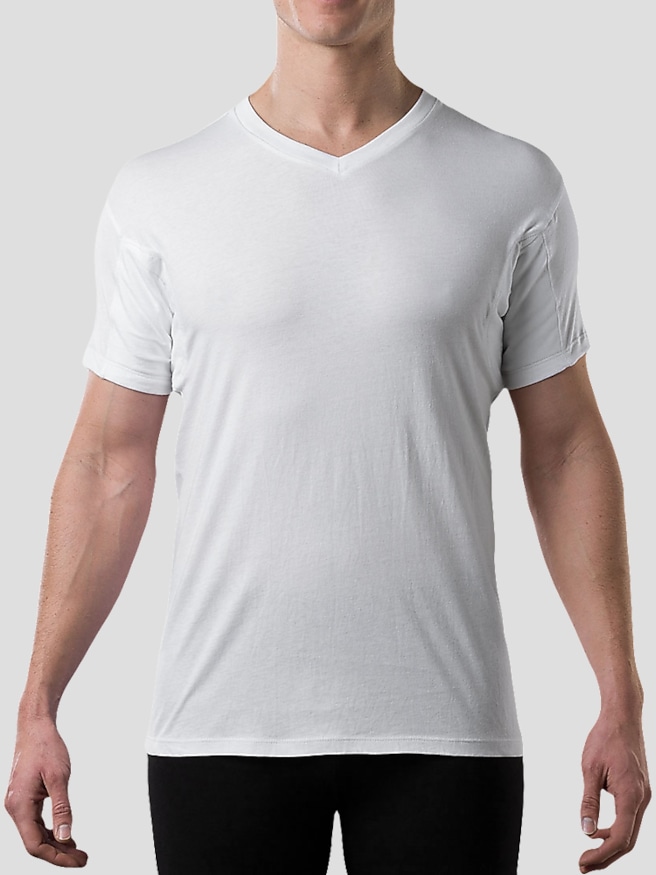
Big and tall white button-down shirts have a place in the everyday wardrobe because they work with so many combinations without competing for attention. White creates a clean contrast against navy trousers, charcoal jackets, dark denim, and richly colored ties, while keeping the overall look straightforward. For an office presentation, a neatly pressed shirt tucked into tailored pants gives a polished impression without requiring an elaborate outfit. For a dinner reservation or a family celebration with a smart-casual dress code, the same shirt can work with chinos and a leather belt, with the collar open and the sleeves left down. The details determine how dressy the result feels. A smooth fabric, a structured collar, and restrained stitching tend to look more refined; a textured weave and a softer collar lend themselves to more relaxed combinations. A true button-down collar has small buttons that secure its points to the shirt, helping it stay neatly positioned beneath a sweater or jacket. That detail is especially useful when the shirt is worn without a tie, although the shape and proportions of the collar also influence how it sits. White is neutral, but it is not visually anonymous: a tidy collar, properly aligned buttons, and cuffs that reach the wrist can make the entire outfit look more deliberate. Big and tall sizing matters because those finishing details depend on proportions, not just extra fabric. A shirt that accommodates a broader chest or a longer torso should still create a balanced silhouette, rather than bunching around the waist or pulling across the shoulders. For men who move between a desk, meetings, and an evening gathering, comfort and a consistent fit are just as important as appearance. An untucked shirt can look equally considered when its hem is designed for that purpose and falls at a balanced length. Longer shirttails, by contrast, are useful for keeping a tucked shirt secure through sitting, reaching, and ordinary movement.
Fabric and construction make a noticeable difference in how a white shirt looks and feels after several hours of wear. Cotton is a familiar choice for its softness and absorbency, while the weave influences texture, drape, and opacity. A smooth, fine weave can create a crisp appearance beneath a jacket, though lighter fabrics may reveal an undershirt more readily. Oxford cloth usually has a more visible texture and a substantial feel that suits an open collar and everyday trousers. Cotton blends may offer easier care or better wrinkle resistance, depending on their composition and finish, while fabrics with a small amount of stretch can provide welcome flexibility across the back and through the arms. The natural texture associated with Big And Tall White Linen Shirts gives the same neutral color a more relaxed character; linen’s visible weave and tendency to crease are part of its appeal rather than signs of poor care. For any fabric, fit should account for where extra room or length is actually needed. Big sizing generally addresses greater breadth through the body, while tall sizing generally adds length through areas such as the torso and sleeves, though measurements vary by cut. A fuller chest does not automatically mean a longer arm, and a taller frame does not necessarily need a wider waist. Neck, chest, sleeve, and body-length measurements therefore tell more than a familiar size label alone. The collar should close comfortably without pressure, and the front should lie reasonably flat instead of forming gaps between the buttons. Shoulder seams typically sit near the shoulder edge, while sleeves should allow the elbows to bend without drawing the cuffs too far up the forearms. Enough room across the back makes reaching for a steering wheel or leaning over a conference table easier. Under a jacket, excessive fabric can gather at the sides or crowd the sleeves, so generous sizing should still feel controlled. Small construction details matter, too: secure buttons, even seams, and neatly finished cuffs help a frequently worn shirt maintain its shape and appearance.
White shirts reward consistent care because marks, wrinkles, and worn edges are easier to notice against a light background. The care label should guide washing, drying, and pressing, particularly when a fabric includes stretch fibers or a special finish. Washing with similar whites helps reduce the risk of color transfer, and treating collar or cuff marks promptly can keep everyday residue from becoming harder to remove. Strong cleaning treatments are not suitable for every fabric, so stain products and brighteners should be used only when the garment’s instructions permit them. Removing a shirt promptly after washing or drying, smoothing the placket and sleeves, and hanging it with the collar arranged neatly can reduce deep creases before pressing. An iron or steamer may provide a cleaner finish, but the appropriate setting depends on the material. Over time, durability comes from both construction and handling: avoiding excessive heat, checking loose buttons, and rotating regularly worn shirts can help limit unnecessary wear. A well-fitted undershirt can also make a difference to comfort and appearance. A shade close to the wearer’s skin tone may be less noticeable beneath white fabric than a bright white layer, especially across the chest and shoulders. For men building a dependable work wardrobe, replacing an ill-fitting shirt, or choosing clothing for interviews and milestone gatherings, the strongest choice is one that suits the wearer’s actual routine. Someone who spends the day seated may value room through the midsection and a secure tuck, while someone frequently on the move may appreciate flexibility through the shoulders. As a gift for a partner, father, son, or friend, a white button-down is most thoughtful when the neck and sleeve measurements, preferred fit, and care habits are already known. Those practical details turn a familiar wardrobe staple into something comfortable enough to wear often and polished enough to rely on.