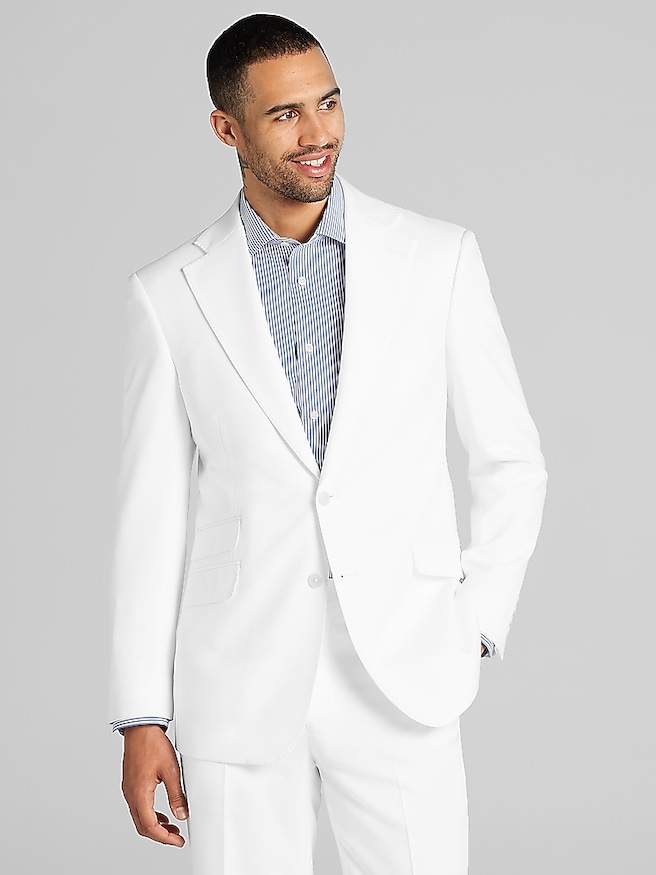
Big and tall spring fashion centers on breathable fabrics, lightweight layers, and proportions that provide room without excess bulk. A comfortable spring wardrobe starts with Big & Tall clothing shaped for the wearer’s shoulders, chest, waist, and height rather than simply adding fabric everywhere. Big sizing generally provides additional room through the body, while tall sizing typically adds length through areas such as the torso and sleeves; the right combination depends on individual measurements and the garment’s cut. A shirt should allow an easy reach across a desk without pulling sharply across the back, and trousers should feel comfortable when seated as well as standing. Shoulder seams that sit near the natural shoulder, sleeves that finish around the wrist, and a waistband that rests securely help create a balanced outline. Fabric matters just as much as measurements. Cotton offers a familiar, breathable feel for everyday wear, while linen’s airy texture and natural creasing suit a more relaxed spring look. Cotton-linen blends can balance softness with texture, though their feel and care requirements depend on the blend. Lightweight wool can bring a smooth drape to tailored clothing, making it useful for occasions that call for a polished appearance without a heavy fabric. Stretch blends may add flexibility at the elbows, seat, and knees, but stretch should support a good fit rather than compensate for a garment that is too tight. Fabric weight and construction also influence comfort: an open weave may feel airier than a densely woven fabric, and a lightly lined jacket can feel less substantial than a fully lined one. For someone moving between a morning commute, an office, and an outdoor lunch, those details help make spring clothing practical. The result is an easy silhouette with enough structure to look intentional and enough room to move naturally.
Spring dressing also lends itself to color and texture without requiring a dramatic change in personal style. Pale blue, soft green, warm beige, and light gray can brighten familiar navy and charcoal, while a textured weave or subtle stripe adds interest without overwhelming an outfit. Big and tall proportions benefit from thoughtful relationships between pieces: a jacket should work with the length of the torso, a shirt should sit neatly beneath it, and trouser volume should complement the upper half rather than creating an abrupt contrast. There is no single pattern scale or color rule for every build. A broader stripe, a small check, or a solid fabric can all look balanced when the garment fits well and the overall combination feels cohesive. For a business-casual setting, a breathable collared shirt with neatly finished trousers offers a polished foundation; a lightweight layer adds definition for meetings and can be removed when the setting becomes more relaxed. An untucked shirt works best when its hem is designed for that purpose, with enough coverage for movement but not so much length that it obscures the trouser shape. Tucked styles need sufficient torso length to remain secure through sitting, bending, and reaching. Spring weddings, graduation celebrations, and daytime gatherings may call for more tailored combinations, where a clean shoulder line, an easy jacket closure, and trousers that hang smoothly make more difference than elaborate styling. Casual weekends allow softer textures and simpler layers, especially for a long lunch on a patio or an afternoon spent walking around town. Footwear and accessories can keep these looks connected: leather textures, understated belts, and restrained patterns add a finished touch without competing with the clothing. A consistent palette also makes separates easier to combine, so the same foundational pieces can serve a workday, a dinner reservation, or a family celebration with a few considered changes.
Lasting comfort depends on how clothing behaves after several wears, not just how it looks on a hanger. In big and tall spring clothing, useful construction details include secure seams, smoothly finished buttonholes, waistbands that lie flat, and pockets that remain neat without pulling the surrounding fabric. Stress often concentrates at the seat, inner thighs, elbows, and pocket openings, so adequate ease in these areas supports both movement and durability. Too much tension can strain stitching, while excessive fabric can bunch beneath a jacket or create friction during a full day of wear. Trouser rise deserves particular attention because it affects how the waistband sits and how comfortably the garment accommodates sitting and walking. Sleeve and torso length are equally important for tall builds, especially when layering, since a short underlayer can ride up even beneath a well-fitting jacket. Care requirements are another practical part of choosing a spring wardrobe. The care label should determine whether a garment can be machine washed, needs a gentle cycle, or requires professional cleaning. Excessive heat can cause shrinkage or affect elastic fibers, so drying instructions matter for preserving both dimensions and flexibility. Prompt attention to spills, gentle treatment of collars and cuffs, and storage that supports the garment’s shape can help clothing maintain a neat appearance. Tailored jackets generally benefit from appropriately shaped hangers, while knitwear is often better stored folded to limit stretching. Linen’s characteristic wrinkles are part of its relaxed appearance; pressing or steaming, when permitted by the label, creates a crisper finish for dressier occasions. For a birthday or graduation gift, familiar measurements and the recipient’s usual dress habits offer a more reliable starting point than a size label alone. Whether intended for regular office wear, social plans, or special gatherings, well-proportioned spring clothing should feel comfortable through ordinary movement and remain easy to coordinate. Breathable materials, sensible care, and a fit matched to the individual give a spring wardrobe its everyday usefulness.