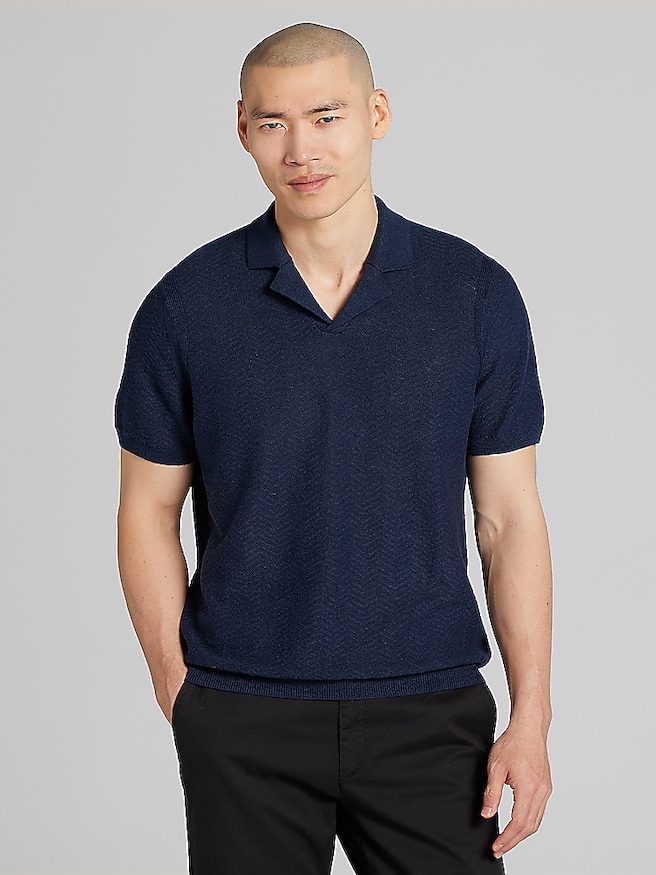
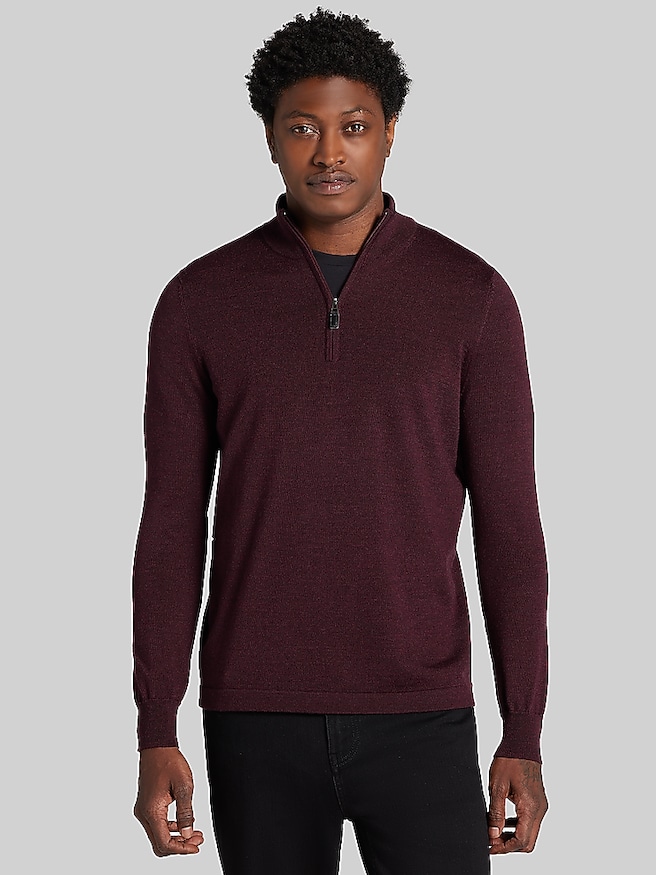
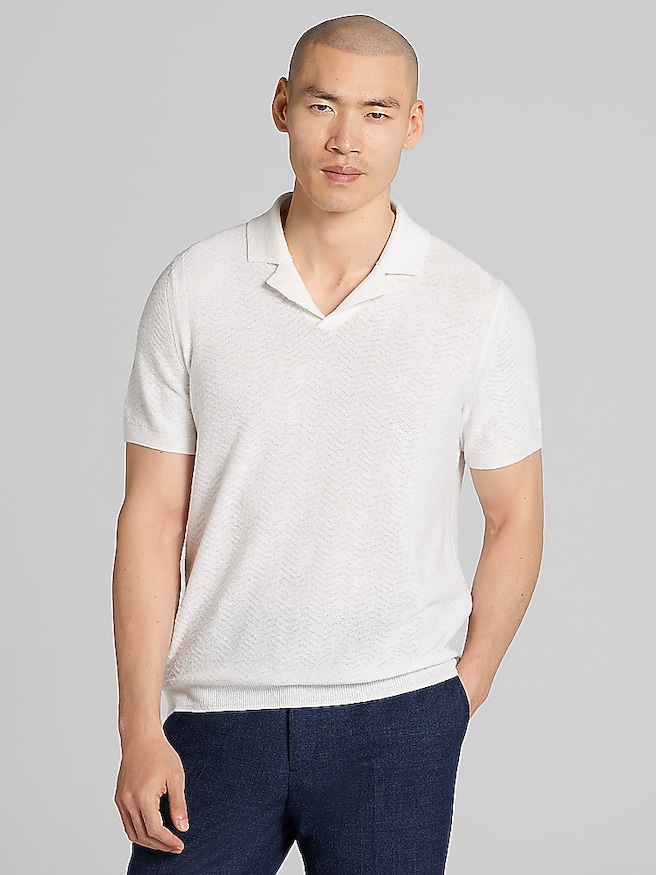
Big and tall men's cable knit sweaters combine a familiar raised texture with proportions designed for broader builds, longer frames, or both. The twisted, rope-like stitches give the fabric depth, creating a substantial look without relying on a bold print. Some cable patterns are narrow and closely repeated; others use wider braids separated by smooth or ribbed sections. That difference affects how a sweater looks across the chest and how easily it pairs with other clothing. A fine cable can feel understated beneath a jacket, while a more pronounced pattern makes the sweater the focal point of an outfit. Fit matters just as much as texture. Big sizing generally provides additional room through the chest, waist, and upper arms, while tall sizing generally adds length through the body and sleeves. Neither is simply a substitute for sizing up in a standard sweater, which can add width without delivering the sleeve length or overall balance a longer frame needs. A comfortable fit leaves enough space for a T-shirt or button-down underneath without pulling the cable pattern flat across the chest. The hem should extend below the waistband and stay comfortably in place when sitting or reaching, rather than needing constant adjustment. Sleeves should reach the wrist without excessive bunching, and ribbed cuffs should rest securely without feeling tight. With a set-in sleeve, the shoulder seam usually sits near the shoulder's natural edge; dropped-shoulder designs intentionally sit farther down the arm. Room through the upper arm and underarm also makes a noticeable difference when driving, working at a desk, or folding the arms. A ribbed hem can give the body a neat finish, but it should not grip so firmly that the sweater rides upward. Because sizing varies by construction and maker, chest, waist, sleeve, and body-length measurements provide a more useful comparison than a familiar size label alone.
Material and knit construction shape the feel of a cable sweater as much as its silhouette. Cotton has a familiar hand and breathable feel, making it useful for everyday wear and layering directly over a soft tee. Its weight can range from relatively light to substantial, depending on yarn thickness and stitch density. For a closer look at that fabric category, Big and Tall Cotton Sweaters offer a related starting point for comparing texture, shape, and everyday wearability. Wool has natural resilience and insulating properties, while finer wool fibers, including merino, can create a smoother feel than coarser yarns. Cashmere contributes softness, although a sweater's overall character still depends on the blend, yarn, and construction. Acrylic, nylon, or polyester may be blended with natural fibers to influence weight, shape retention, drying time, or care requirements. No fiber name alone guarantees softness, durability, or an easy-care routine. A dense cotton cable knit may feel heavier than a fine wool blend, and an airy knit can drape very differently from a tightly worked one. These distinctions matter when a sweater will sit beneath a blazer or needs enough structure to look finished on its own. Care should follow the garment label rather than a general rule about sweaters. Some cotton and synthetic blends permit machine washing, while other knits require hand washing or professional cleaning. Where washing is permitted, gentle handling helps limit friction, stretching, and surface wear. A damp sweater is best supported rather than lifted by the shoulders, and drying flat is appropriate when the care instructions call for it. Folding instead of hanging helps reduce stretched shoulders and lengthened hems. Raised cable stitches can catch on rough surfaces, watch clasps, or bag hardware, so a little attention during daily wear helps preserve their definition. Small surface pills may develop through friction and can often be removed carefully with a tool suitable for the fabric.
The appeal of big and tall cable knit sweaters is how easily their texture works with familiar clothing. A crewneck over a plain T-shirt has a straightforward, relaxed feel with dark denim and leather sneakers. Layered over a button-down, the same general silhouette looks more polished, particularly when the collar lies neatly and the shirt does not bunch beneath the knit. A V-neck leaves more of the shirt visible, while a cardigan offers an open front that can be adjusted throughout the day. A zip neckline brings another option for changing the look without adding a separate layer. These neckline differences affect comfort as well as styling: a close crewneck should sit comfortably at the base of the neck, and a higher collar should leave enough room to turn the head freely. For an office with a relaxed dress code, a restrained cable pattern works naturally with flat-front chinos or tailored trousers. For dinner, a family gathering, or a weekend outing, a more textured knit can add interest to a simple combination of pants and shoes. Navy, charcoal, cream, and earthy shades are easy to coordinate, while a stronger color can stand on its own against neutral pants. Texture also deserves consideration when adding a jacket; a thicker braid needs enough room through the jacket's chest and sleeves to avoid a compressed, bulky feel. For men who prefer uncomplicated outfits, that visible texture supplies detail without requiring several accessories or competing patterns. A cable knit sweater can also make a thoughtful birthday or milestone gift when the recipient's measurements, preferred neckline, and care preferences are known. Someone who favors easy routines may value a washable fabric, while someone who enjoys layered outfits may appreciate a lighter knit with a smooth drape. The most useful choice balances those everyday habits with sufficient length, comfortable movement, and a shape that feels natural from the first wear.