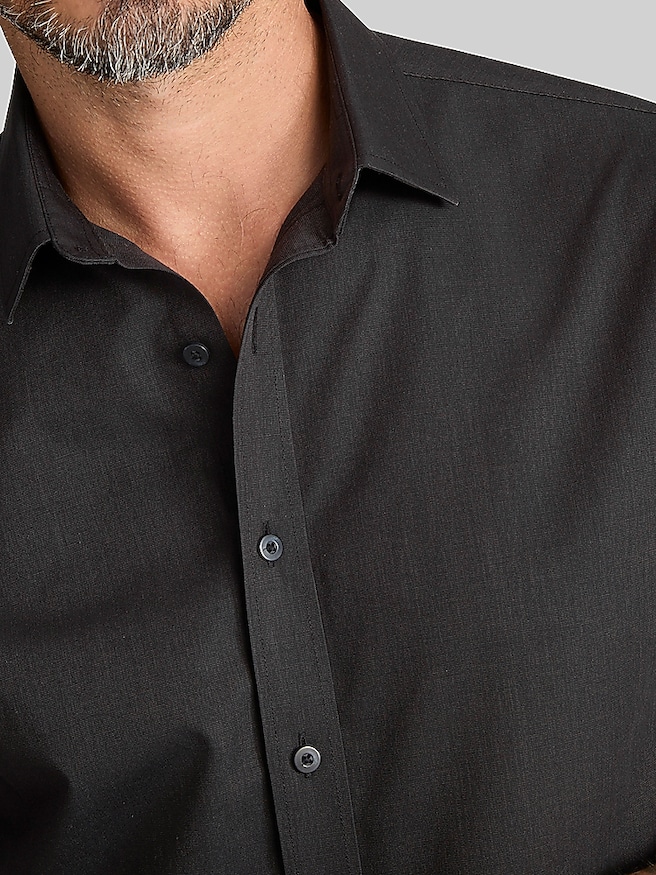
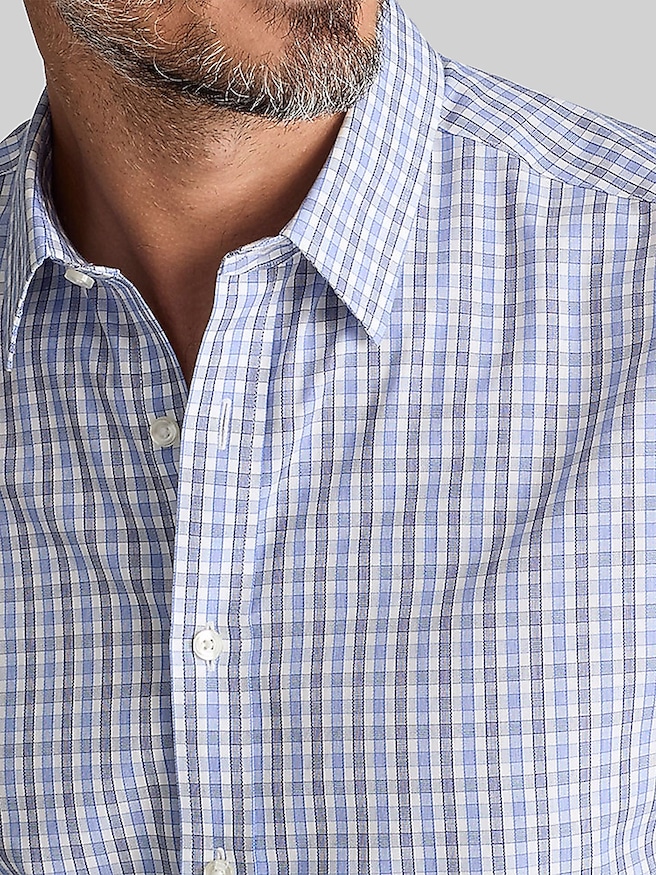
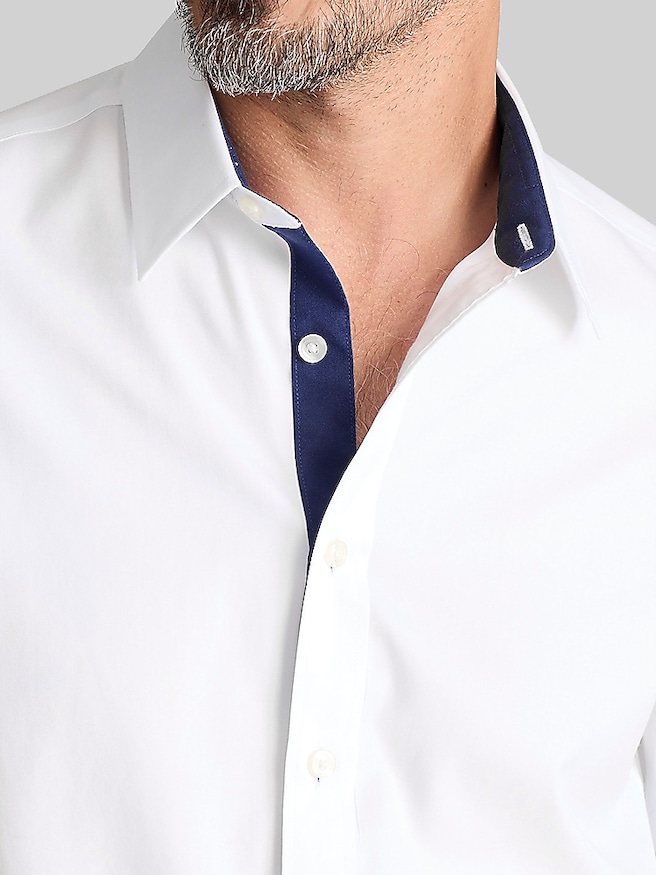
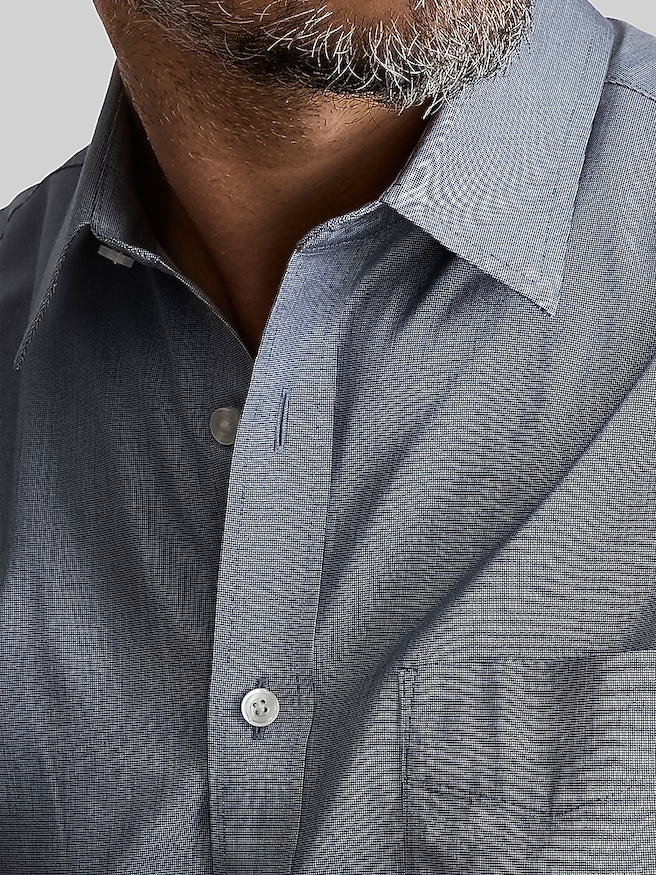
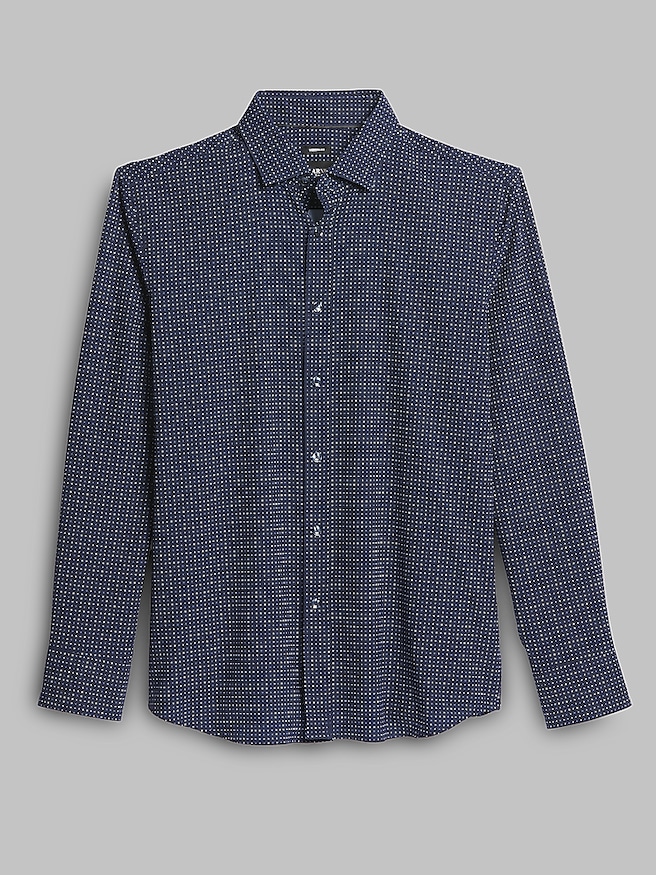
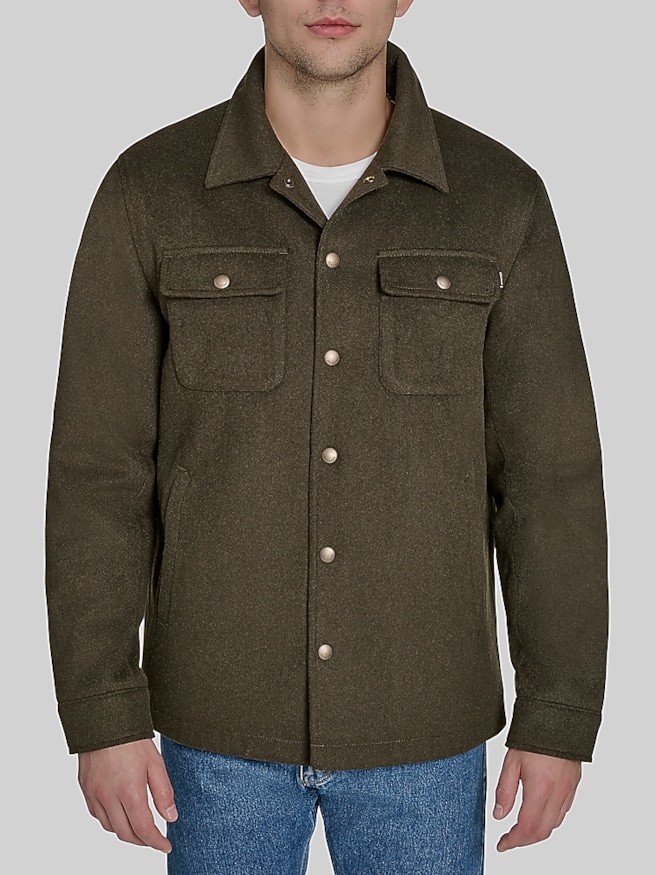
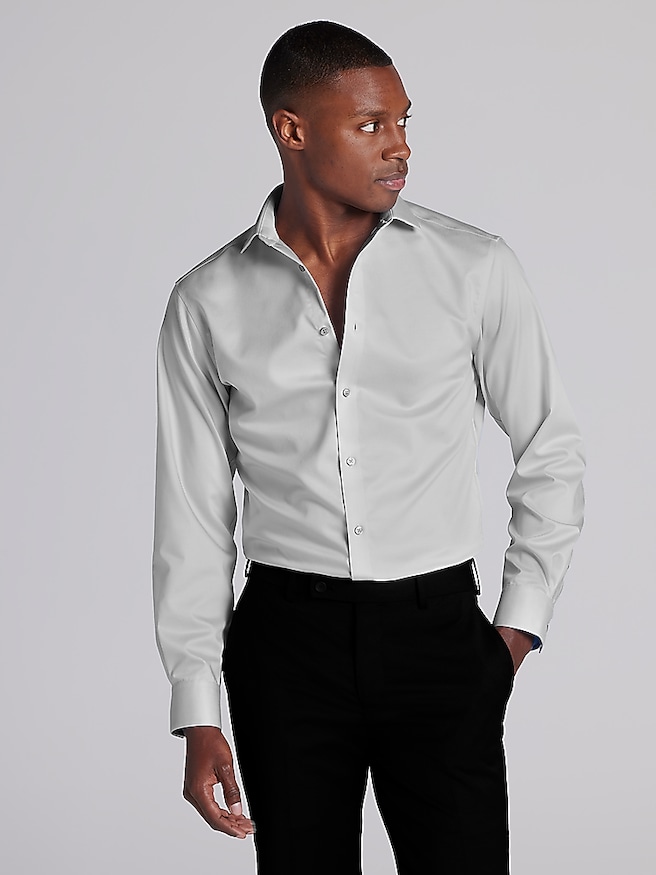
Big and tall flannel shirts for layering work best when the chest, shoulders, sleeves, and body length leave room for another shirt without creating excess bulk. A comfortable fit lets the fabric fall cleanly over a T-shirt or henley, with enough ease to button the front without pulling across the chest or stomach. Big and tall sizing addresses different proportions: big sizes generally provide more room through the body, while tall sizes generally add length through the torso and sleeves. The right combination depends on individual measurements and the garment’s size chart, rather than height alone. Shoulder seams should sit near the natural shoulder line, and sleeves should reach the wrist without covering the hand. With the cuffs fastened, there should still be enough freedom to reach toward a steering wheel or across a desk without the sleeves pulling tight. Body length matters just as much, especially for a shirt worn open over another layer. An untucked hem should provide coverage when sitting or reaching without extending so far that it looks disproportionate beneath a jacket. For a tucked-in look, enough length to stay secure through everyday movement makes a noticeable difference. Shoppers comparing extra-large tall proportions can also explore Men's XLT Flannel Shirts, keeping in mind that exact measurements vary by cut. A relaxed fit can be useful for layering, but simply sizing up may leave the collar, shoulders, and cuffs too large while still failing to provide the needed length. The most versatile proportions allow a flannel to function as both a buttoned shirt and an open overshirt. Over a simple crewneck, the front should hang naturally instead of swinging outward or catching at the hips. Under a vest or jacket, the sleeves and side seams should settle comfortably rather than bunching. Those details help create an easy silhouette that feels considered, whether the day involves a commute, a casual office, or an afternoon spent with friends.
Fabric gives big and tall flannel shirts much of their character, from the soft surface against the skin to the way the shirt drapes over a base layer. Flannel describes a fabric with a brushed or napped finish; plaid describes a pattern, so the two terms are not interchangeable. Cotton flannel is valued for its softness, breathability, and familiar feel, while blends can offer different combinations of shape retention, drying performance, and ease of care. A small amount of stretch may provide additional give through the back and elbows, although fabric stretch does not replace adequate room in the cut. Weight also affects layering. A lighter flannel generally slides more easily beneath another garment and produces less volume around the waist and underarms. Midweight fabric can provide enough substance to hang neatly when worn open, while a heavier construction creates a more structured overshirt effect and requires more space beneath an outer layer. Brushing can make fabric feel especially soft, but softness alone does not establish durability. Even stitching, securely attached buttons, neatly finished seams, and fabric that holds its shape all contribute to how well a shirt handles repeated wear. The areas around the cuffs, elbows, and button placket deserve particular attention because they receive frequent friction and handling. Care needs vary with fiber content and construction, making the sewn-in care label the best starting point. When permitted, gentle washing and lower drying heat can help limit unnecessary wear, shrinkage, and fading. Avoiding an overloaded washer gives garments room to move, while keeping flannel away from abrasive fasteners can help protect its brushed surface. Some surface fuzz is part of flannel’s texture, but persistent rubbing can encourage pilling. Promptly removing a shirt after drying and smoothing the collar, cuffs, and front placket can keep it looking tidy without flattening all of its natural texture. Between wears, hanging it on a supportive hanger helps the shoulders retain their shape and keeps the next outfit easy to assemble.
Layering also gives plaid, color, and texture a practical role in everyday dressing. A flannel with a noticeable check often looks balanced over a solid T-shirt, especially when the base layer picks up one of the quieter colors in the pattern. Navy, gray, cream, and muted earth tones can connect easily with denim or chinos without requiring an exact match. Larger plaids create a bolder visual effect, while smaller checks tend to read as a more understated pattern from a distance. Neither needs to be reserved for a particular body type; the better choice is the one that suits the wearer’s style and works with the rest of the outfit. Worn open, a flannel adds a relaxed frame around a plain crewneck. Buttoned over a thin undershirt, it looks more contained and can sit neatly beneath an unstructured jacket when the dress code allows. The relationship between lengths helps the layers look intentional: a base layer that stays mostly within the flannel’s hem creates a cleaner outline, while a small, deliberate difference can suit a casual outfit. Jeans and boots emphasize flannel’s workwear associations, while straight-leg chinos and simple sneakers give it an easygoing, polished feel. For an office with a casual dress code, a restrained pattern, a smooth placket, and cuffs that sit neatly at the wrist can make the outfit feel more finished. For travel, family visits, or a relaxed dinner, a shirt that works both open and buttoned offers flexibility without requiring a completely different outfit. Big and tall flannel shirts can also make thoughtful gifts for someone who regularly wears casual button-front shirts, particularly when the giver knows the recipient’s chest measurement, sleeve needs, preferred shirt length, and taste in patterns. A familiar color and the correct proportions are usually more useful than an unfamiliar cut chosen only for its label size. Across these settings, the appeal stays consistent: soft texture, dependable coverage, comfortable movement, and a shape that works naturally with the layers around it.