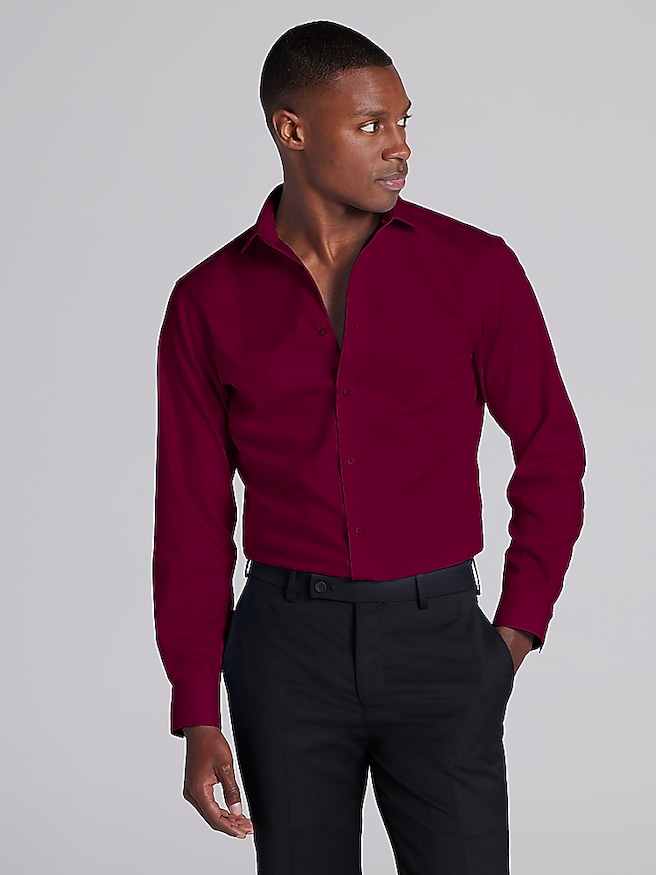
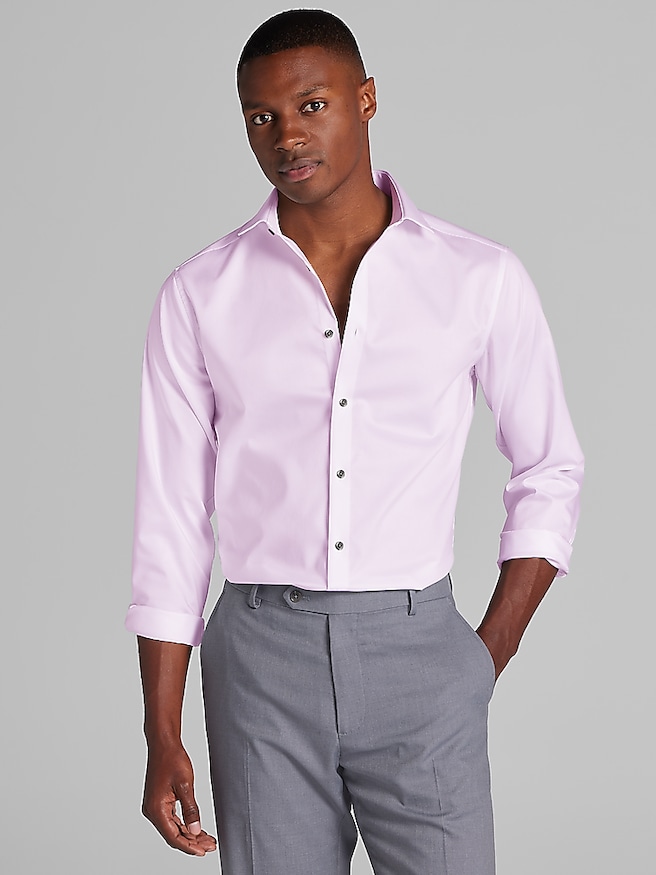
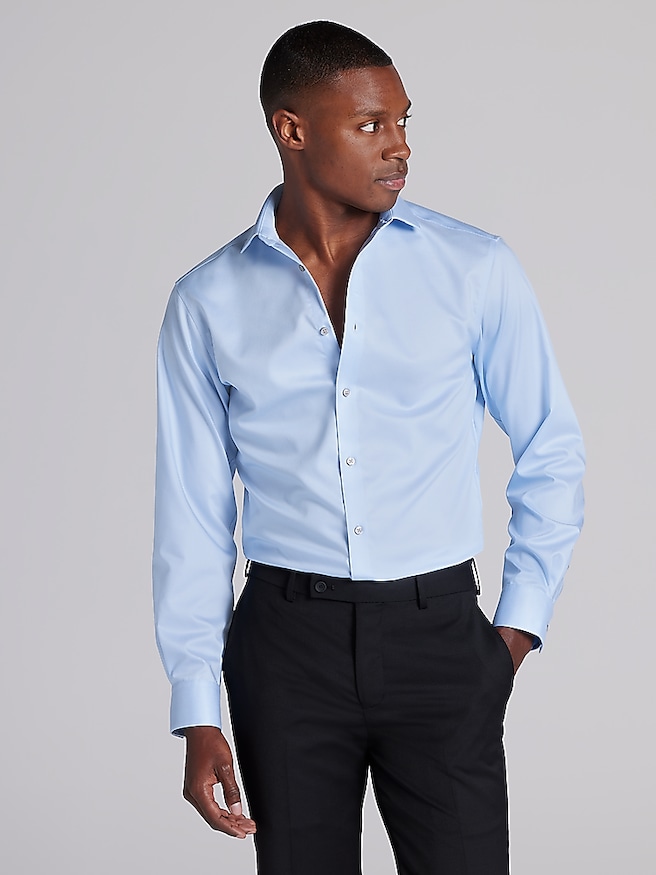
Fit and proportion are central to big-and-tall clearance clothing, whether the occasion calls for a polished office outfit, a relaxed weekend look, or something dressier. Big sizing generally provides additional room through areas such as the chest, waist, seat, and thighs, while tall sizing addresses length through the torso, sleeves, rise, or legs. A taller build does not necessarily require a wider fit, and a broader build does not necessarily require longer sleeves. Within the broader Big & Tall category, those distinctions help explain why simply sizing up can leave clothing loose in one place and restrictive in another. Balanced proportions allow a shirt to stay tucked when reaching across a desk, give trousers enough room for sitting comfortably, and help a jacket follow the body without pulling across the back. Shoulder seams should sit near the natural shoulder, sleeves should allow comfortable arm movement, and closures should lie smoothly rather than strain. For tailored clothing, the chest and shoulders establish the overall shape; waist shaping and sleeve or trouser length may be adjusted through alterations, depending on the garment’s construction. Trouser rise also matters because it affects where the waistband rests and how comfortably the fabric moves through the seat. A waistband that stays level while standing and sitting usually feels more settled than one that needs frequent adjustment. Hem length works together with footwear: fabric can meet the shoe with a slight break or fall more cleanly, depending on the desired look. Measurements taken over lightweight clothing, along with the sizing information associated with a garment, provide a more dependable starting point than a familiar letter size alone. The goal is an outfit that looks composed from the front, side, and back while leaving enough ease for ordinary movement. Getting into a car, sitting through a meeting, or reaching for a bag should not mean tugging a hem back into place or readjusting a waistband.
Fabric and construction shape how big-and-tall clothing feels throughout the day and how well it holds its appearance over repeated wear. Cotton can offer a soft feel and breathable comfort, with its texture varying from smooth woven fabric to substantial knit constructions. Wool is often used in tailored clothing because it drapes well and can recover from minor wrinkles, although performance depends on the weave, weight, and blend. Synthetic fibers can contribute strength, wrinkle resistance, or easier care, while a small amount of stretch may improve flexibility when sitting, bending, or walking. Stretch is useful, but it should complement the fit rather than compensate for fabric that is already pulling at the seams. A smooth, lighter fabric can create a cleaner line beneath a jacket, while a more substantial fabric may provide structure when worn on its own. Texture also changes the impression of an outfit: a subtle woven surface can add depth to neutral colors without relying on a bold pattern. Construction details deserve attention because clothing experiences repeated stress at pockets, closures, underarms, and the seat. Even stitching, neatly finished seams, and securely attached buttons are useful signs of careful workmanship, though no single detail guarantees durability. Care should follow the garment label rather than a blanket rule for an entire fabric family. Some pieces tolerate machine washing, while others need professional cleaning or a gentler approach. When washing is permitted, appropriate water temperature and drying methods help protect dimensions, surface texture, and color. Giving clothing enough space in the closet reduces unnecessary creasing, and properly shaped hangers help support tailored shoulders. Folding knitwear can prevent stretching caused by hanging, particularly with heavier fabrics. Addressing a loose button or small seam opening early can keep a minor repair from becoming a larger problem. These habits support clothing that remains comfortable and presentable for repeat wear, whether it is part of a weekly work rotation or reserved for occasions that call for a more finished appearance.
A useful big-and-tall wardrobe supports the situations that actually fill a calendar, rather than a single idealized dress code. Someone who moves between a desk, client meetings, and a commute may appreciate clothing that maintains a neat shape while allowing comfortable movement. For a job interview or an important presentation, clean lines and a balanced fit help keep attention on the conversation rather than on a tight collar or bunching fabric. Weddings, milestone celebrations, and dressier dinners bring different expectations, so the invitation and venue help establish the right level of formality. An outfit can feel deliberate without being elaborate: coordinated neutrals, a consistent silhouette, and fabric textures that work together often do more than extra details. Deep blue, charcoal, and other versatile tones can create a cohesive foundation, while a restrained pattern adds interest without dominating the look. The scale and placement of a pattern affect its visual impact, but personal preference matters more than rigid rules about what a particular build should wear. Clothing that feels comfortable and reflects the wearer’s taste is more likely to become part of a regular rotation. Travel adds another practical consideration, especially when an outfit must look presentable after hours of sitting or being packed. Fabrics with suitable wrinkle recovery and care requirements can make that routine easier, provided the fit still allows room to move. Big-and-tall clothing can also make a thoughtful gift for a spouse, partner, relative, or friend when the recipient’s measurements, preferred fit, and everyday routine are known. A familiar size label is helpful, but sleeve length, inseam, and the difference between big and tall proportions give a clearer picture. An existing garment that fits comfortably can serve as a useful measurement reference. Whether clothing is chosen for personal use or as a gift, the strongest foundation is the same: proportions that suit the wearer, materials suited to the occasion, and care requirements that fit everyday life.