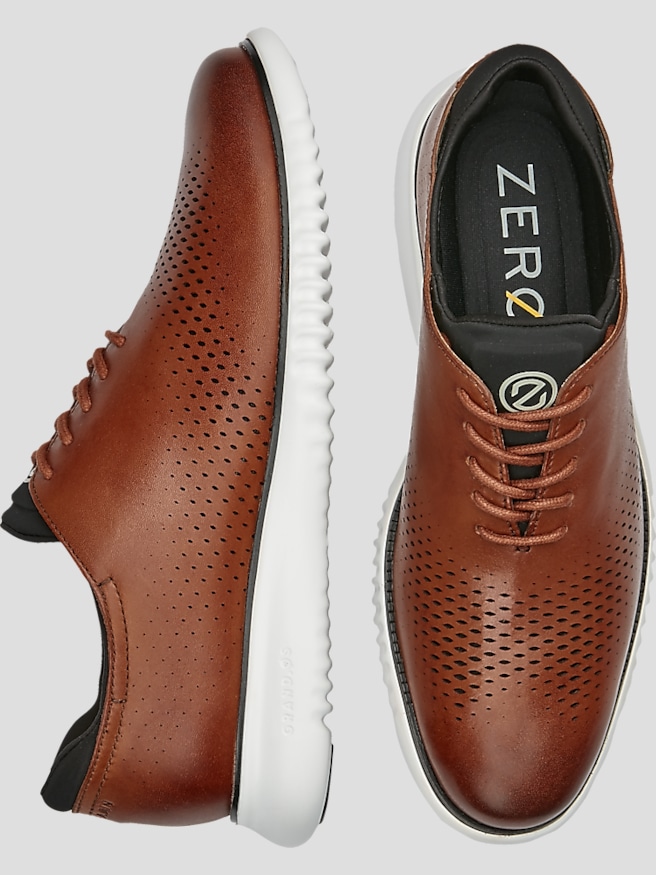
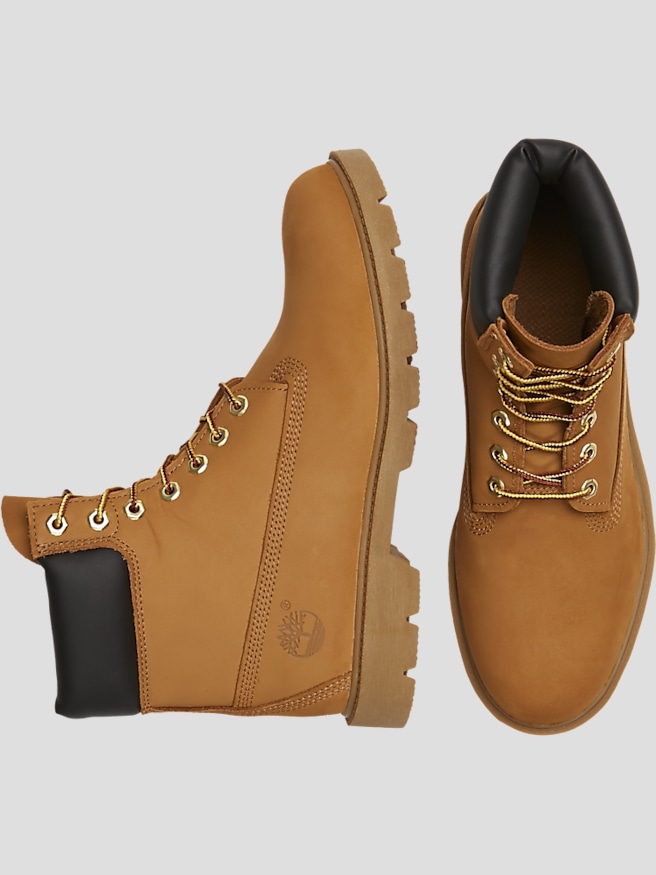
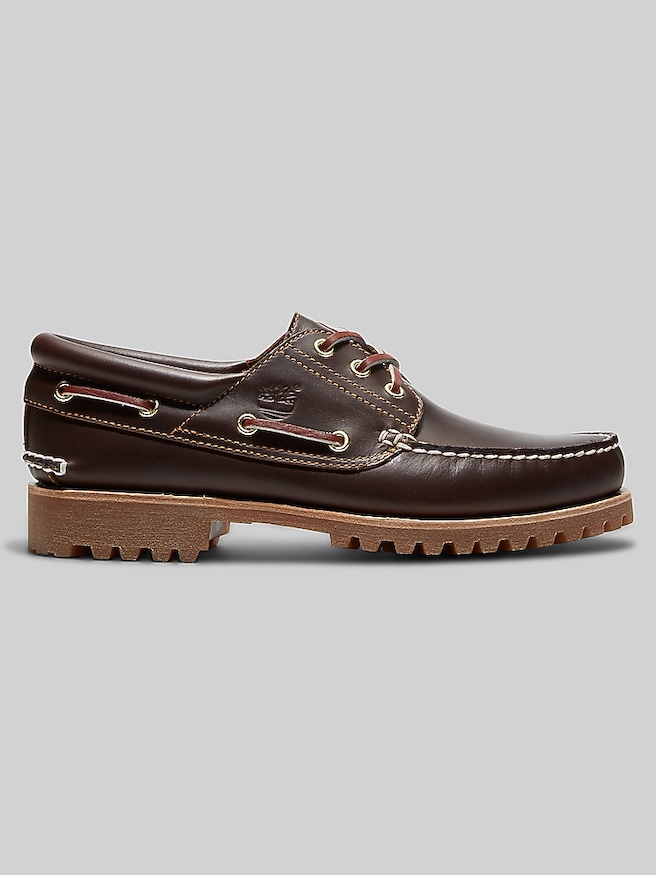
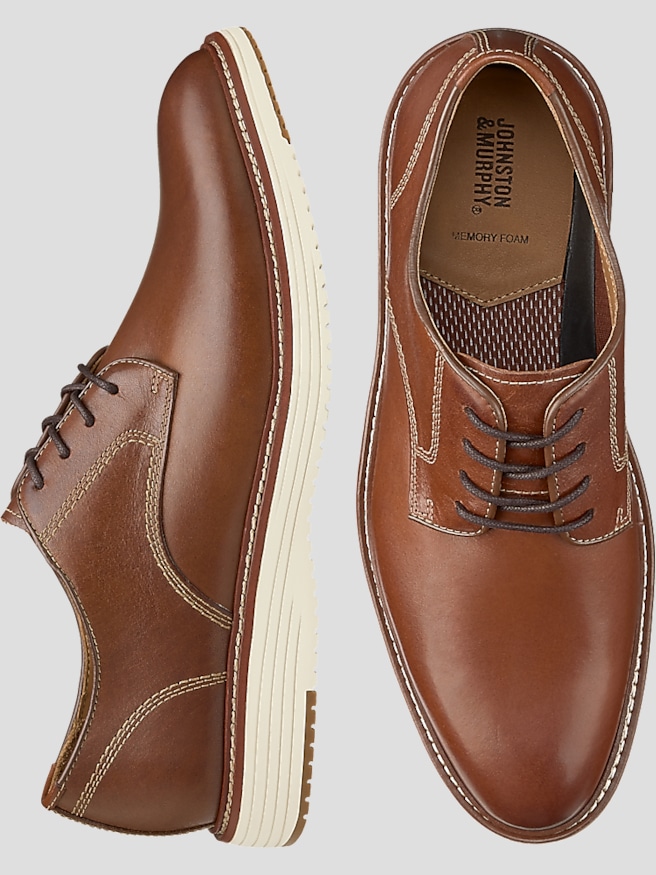
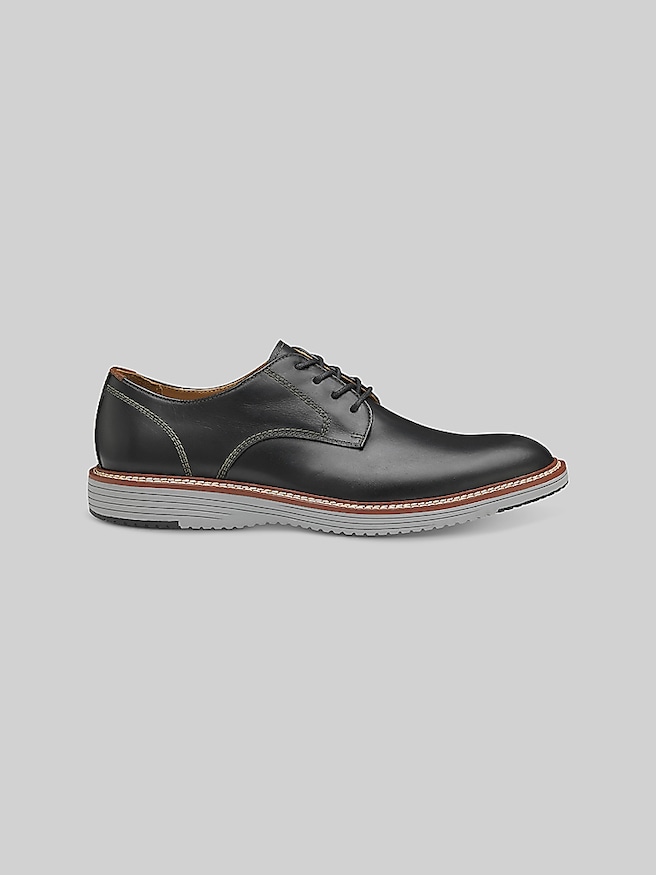
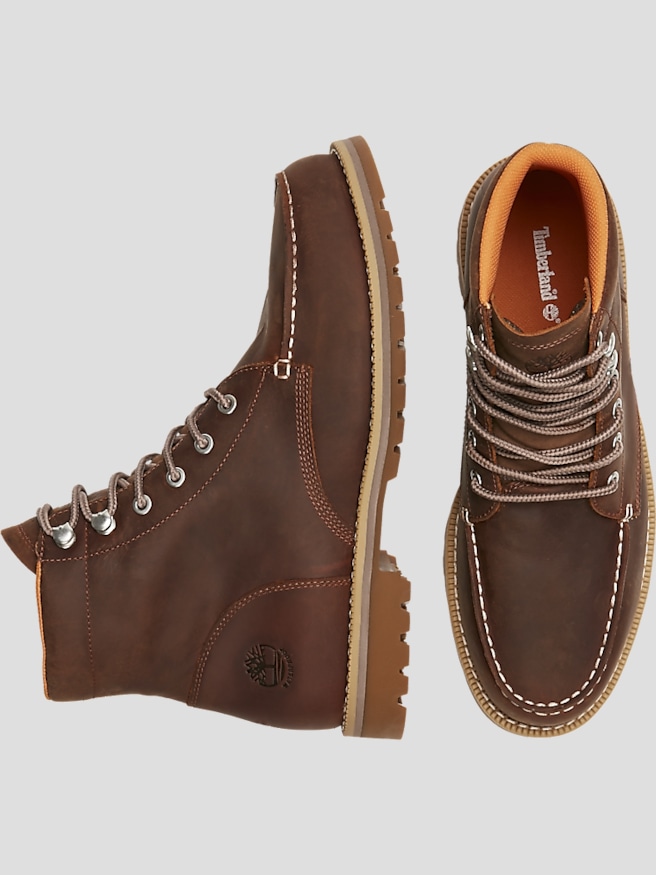
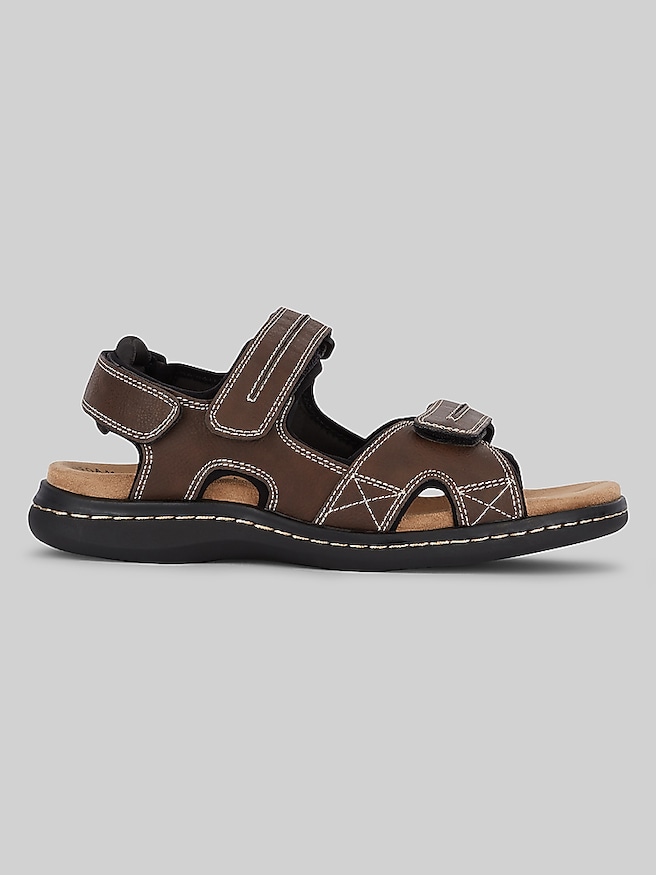
Beach vacation shoes bring together easygoing style, comfortable movement, and practical materials for days that rarely stay in one setting. A walk across the hotel lobby can lead to a sandy path, an afternoon along the boardwalk, and dinner overlooking the water. For men, the main categories serve distinct purposes: water-friendly sandals suit poolside settings and shoreline outings, supportive slides offer easy on-and-off convenience, breathable walking shoes handle longer excursions, and lightweight loafers provide a more polished option for meals and evening plans. The right balance depends on how much walking a trip involves and whether the itinerary includes restaurants or gatherings with a dress code. Open designs leave more of the foot exposed to the air and make loose sand easier to shake away, while enclosed uppers help keep feet covered on busy sidewalks and uneven paths. Neither approach is best for every part of a vacation. A flexible sandal that feels comfortable beside a lounge chair may not offer enough stability for several hours exploring a coastal town, and a refined leather loafer generally belongs away from splashing water. Color and shape also influence how easily footwear works with a travel wardrobe. Tan, navy, gray, and black pair naturally with casual shorts, linen trousers, and relaxed button-down shirts, while simple profiles make the transition between daytime and evening outfits feel less abrupt. For open footwear with a relaxed vacation feel, Summer Sandals complement the same mix of shorts, swim cover-ups, and casual separates. Beach vacation footwear can also make a thoughtful gift for a partner, father, friend, or recent graduate heading on a getaway, especially when the recipient’s size and preferred fit are known. Someone who spends the afternoon walking a harbor has different needs from someone whose plans center on a shaded terrace, so intended use matters as much as appearance.
Materials help determine where beach vacation shoes feel most at home and how much attention they need after a day out. Molded foam and certain synthetic materials can be lightweight and easy to wipe clean, although suitability for water depends on the full construction, not simply the look of the upper. Water-resistant footwear is not necessarily designed for immersion, and quick-drying uppers do not guarantee that padded linings or footbeds will dry at the same speed. Mesh and loosely woven textiles allow airflow around the foot, making them useful considerations for enclosed walking shoes. Canvas offers a familiar casual texture but may hold moisture longer than some performance fabrics. Leather adds structure and a finished appearance that works well with chinos or linen-blend pants; saltwater, repeated soaking, and prolonged direct sunlight can affect its color and flexibility. Suede brings a soft, textured finish to casual outfits but needs particular protection from moisture and staining. Underfoot construction deserves equal attention. A cushioned footbed can soften the feel of pavement, while a stable base and a secure upper help reduce sliding inside the shoe. Very soft cushioning alone does not establish support, especially for longer walks. Outsole texture and rubber compounds may improve traction, but wet tile, algae-covered surfaces, and smooth boat decks still call for caution. No everyday vacation shoe should be assumed to prevent slipping in every setting. Durability often comes down to details that are easy to overlook: firmly attached straps, neat stitching, reinforced stress points, and soles suited to the surfaces they will encounter. Sand can work its way beneath straps and into seams, so smooth contact areas and accessible interiors are useful features. For rocky shorelines or activities that require entering the water, footwear specifically designed for those conditions offers a more appropriate choice than ordinary casual sandals. These distinctions help separate shoes intended for relaxing near the beach from footwear made for direct contact with water and rough terrain.
Fit is what makes those materials and construction details useful over the course of a full day. Beach vacation shoes should feel secure without pinching across the forefoot, pressing against the toes, or rubbing along the heel. In sandals and slides, the foot should sit within the footbed rather than extend past the front or sides. Adjustable straps can help accommodate variations in foot shape, while a back strap may provide a more secure feel than an open heel during sustained walking. Slip-on shoes need enough hold through the midfoot to avoid constant gripping with the toes, and lace-up styles allow more adjustment when feet swell after hours of activity. Trying footwear with the socks intended for the trip gives a more realistic sense of fit; low-profile socks can work neatly with casual sneakers and some loafers while helping manage friction and moisture. Shoes intended to be worn without socks benefit from smooth interior seams and comfortable linings, though personal comfort varies. A short walk on an indoor surface can reveal pressure points before footwear becomes part of a travel routine. Care is usually straightforward when it follows the material-specific instructions. Loose sand is best brushed or shaken away before cleaning, since rubbing grit into an upper can scuff the surface. Footwear approved for rinsing can be cleaned of salt residue as directed, while leather and suede need suitable cleaners rather than a soak. Air-drying in a ventilated, shaded spot is generally gentler than placing shoes beside a heater or leaving them in intense sunlight. Removable insoles, when present, may dry more thoroughly outside the shoe, and alternating pairs gives damp interiors time to recover between outings. Packing clean, dry footwear in separate shoe bags helps keep grit away from clothing, while lightly filling enclosed shoes with socks can help preserve their shape in a suitcase. The most useful beach vacation shoes earn their space through a clear purpose: relaxed comfort near the water, dependable support for walking, or a tidy finish for dinner. Together, those qualities make it easier to dress for the actual trip, from a quick breakfast downstairs to a long evening strolling back along the waterfront.