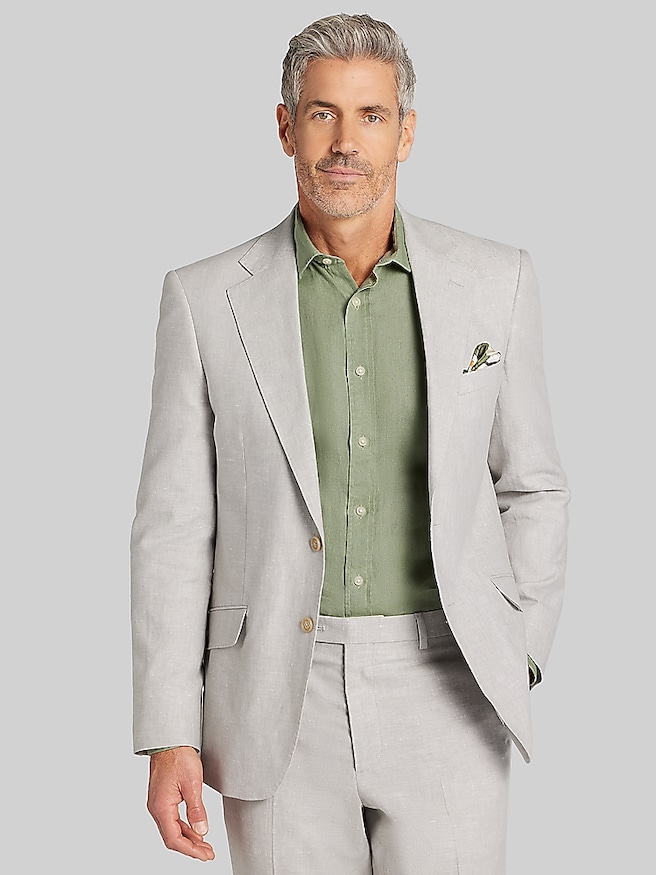
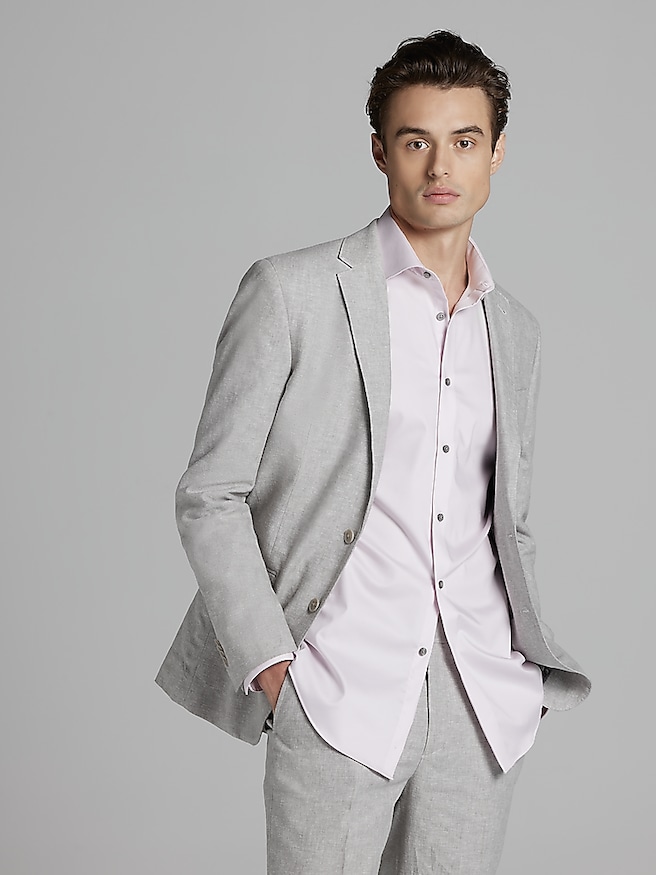
Double-breasted suits are in style, with contemporary tailoring giving their distinctive overlapping fronts and broad lapels a place in both polished business wardrobes and occasion dressing. Their appeal comes from a clear, confident silhouette: a jacket that frames the chest, defines the waist, and creates a strong line through the shoulders. Unlike a single-breasted jacket, a double-breasted design has overlapping front panels and two columns of buttons, although not every visible button fastens. Peak lapels are a common feature, drawing the eye upward and adding definition without relying on a bright color or bold pattern. The result can feel commanding in a boardroom, elegant at a wedding, or expressive at a gallery opening. Modern versions are not limited to the oversized power-suit proportions associated with the 1980s. They span closer, shaped cuts and more relaxed silhouettes, so looking contemporary is less about choosing the narrowest jacket and more about getting the proportions right. A clean shoulder, smooth lapel roll, and trousers that complement the jacket’s volume make a bigger difference than an extreme cut. Navy, charcoal, and medium gray emphasize the architecture of the suit while remaining easy to pair with familiar shirts and shoes. Pinstripes bring a stronger business association, while subtle checks add depth without making the outfit depend on accessories. For someone accustomed to single-breasted tailoring, the double-breasted shape offers a noticeable change while keeping the usefulness of a coordinated jacket and trousers. It can serve as a regular choice in a dressier workplace or as a distinctive option for milestone celebrations, presentations, and evenings that call for more than casual clothing. Its lasting appeal rests on that balance of recognizable tailoring and personal expression. A double-breasted suit does not have to look theatrical or nostalgic; balanced proportions and restrained styling allow the design itself to provide the visual interest.
Fit is especially important because the overlapping front places more fabric across the torso. The jacket should close comfortably without horizontal pulling, flared lapels, or a strained button fastening. Shoulder seams should sit cleanly at the edge of the shoulders, and the collar should rest against the shirt collar rather than leave a visible gap. Enough room through the chest and upper arms makes ordinary movements feel natural, whether reaching across a conference table or greeting guests at a reception. A shaped waist can sharpen the outline, but a close fit should not mean a tight fit. The Double Breasted Slim Suit silhouette suits someone who prefers a more defined line through the torso and a coordinated, tapered trouser shape. A fuller cut offers another interpretation, with additional ease and a softer sense of movement. Neither approach belongs to only one body type; jacket length, button placement, and trouser rise all affect the finished proportions. A jacket that covers the seat generally creates a more balanced line than one cut excessively short. Trousers should sit securely at the waist, with pockets lying flat and enough room through the thigh to sit comfortably. Their width should relate to the jacket rather than look disconnected from it. Material also changes the character of the suit. Wool is a common choice for its drape, resilience, and ability to recover from light creasing, while wool blends can offer a balance of structure, texture, and practical wear. Fabric weight and weave influence how sharply a crease holds and how freely the cloth moves. A smooth worsted fabric gives the surface a crisp, refined appearance; a more textured weave makes the tailoring feel less formal. Fiber content alone does not establish quality or durability. Even stitching, securely attached buttons, a smooth lining, and fabric that falls cleanly across the body are useful signs of thoughtful construction. Alterations can refine sleeve and trouser length, but the shoulders and basic jacket balance should be close to correct from the start.
Styling a double-breasted suit works best when the supporting pieces respect its strong lines. A white or pale blue dress shirt creates a clear backdrop, while a simple silk tie adds polish without competing with the lapels. A restrained pocket square can provide a small contrast rather than repeat the tie exactly. For a business presentation, a navy suit with a light shirt, textured tie, and polished leather lace-ups communicates intention without drawing attention away from the person wearing it. For a wedding guest outfit, a subtle patterned tie or richer shirt color can add personality, provided the combination follows the stated dress code. A double-breasted business suit is not automatically a substitute for a tuxedo when black tie is requested. At a dinner or creative-industry gathering with a more flexible dress code, a fine-gauge knit or an open-collar shirt can soften the formality while leaving the jacket’s shape intact. The overlapping front usually looks most composed when the intended fastening is secured while standing, including the interior anchor button when present. Fastening arrangements vary, so decorative buttons should not be treated as working closures. Shoes also influence the overall impression: sleek oxfords reinforce formality, while understated loafers can suit a less formal setting. Long-term wear depends on care as much as styling. A broad, supportive hanger helps preserve the shoulders, and trousers hung neatly along their creases are less likely to develop unwanted folds. Emptying pockets after wear prevents unnecessary strain and distortion. Gentle brushing can remove surface dust, and allowing the suit to air between wears helps keep it fresh without excessive cleaning. Follow the care label, use professional cleaning when needed, and avoid aggressive heat or pressing that can leave shiny patches on the cloth. Small repairs, such as securing a loose button before it detaches, help protect the garment through repeated use. With comfortable proportions, suitable fabric, and consistent care, a double-breasted suit can earn its place as practical tailoring with a distinctive point of view, not simply an outfit reserved for making an entrance.