Affordable leather jackets include real leather and faux leather designs in classic biker, bomber, and racer silhouettes, each with a distinct shape and level of detail. A biker jacket typically has an asymmetrical front zipper, broad lapels, and visible hardware that give even a plain T-shirt and jeans a strong focal point. A bomber has a more relaxed outline, often finished with ribbed cuffs and a fitted hem, while a racer jacket keeps things streamlined with a straight zipper and a short stand collar. These differences matter as much as color: a clean, minimally detailed jacket can complement tailored trousers, while a heavily detailed design feels more at home with denim and boots. Materials also influence how a jacket looks, moves, and ages. Real leather comes from animal hide and retains natural variations in grain, texture, and markings. Cowhide often has a substantial feel, while lambskin is generally softer and more supple, although thickness and finishing methods affect both. With suitable care, real leather can soften through use and develop a patina, giving frequently worn areas a more individual appearance. Faux leather uses a synthetic surface over a backing material to create a leather-like finish, usually with a more uniform texture. It does not develop the same patina, and its coating may eventually peel or crack, particularly at frequent flex points. Neither a glossy surface nor a soft hand alone establishes quality. The material description, construction, and care label provide a clearer picture of what to expect. The term “genuine leather” identifies real leather but does not, by itself, describe a particular quality grade. Smooth finishes, pebbled textures, and matte surfaces also create distinct impressions, from polished and understated to rugged and expressive. The most useful choice is one whose material and character suit the way it will actually be worn.
Fit gives a leather jacket much of its character, especially because the material generally has less stretch than a sweatshirt or knit blazer. A close silhouette can look sharp without feeling restrictive, and a relaxed shape can leave room for layering without appearing oversized. On a conventionally cut jacket, the shoulder seams should sit near the natural shoulder edge; intentionally dropped shoulders follow a different design. Across the chest, a closed zipper should lie reasonably flat rather than pull into pronounced horizontal lines. There should be enough room to reach forward, sit comfortably, and bend the elbows without the entire jacket lifting or the upper back binding. Trying the fit over a typical shirt or sweater gives a more useful impression than assessing it over an unusually thin layer. Real leather may ease slightly with wear, but that is not a reliable solution for a jacket that is too tight through the shoulders or arms. Sleeve length matters, too: cuffs that finish around the wrist generally leave the hands free, while excess length can bunch awkwardly above a watch. Many traditional leather silhouettes end around the belt line or upper hip, creating balanced proportions with jeans, chinos, and tailored trousers. A longer cut changes that balance and can feel more relaxed. Construction details help distinguish a jacket that simply looks appealing from one that works comfortably throughout a full day. Even stitching, secure pocket openings, and a zipper that moves smoothly all deserve attention. The lining should allow the jacket to slide over clothing without twisting or gathering inside the sleeves. Pocket placement affects comfort when seated, and bulky hardware can become noticeable against a desk edge or chair arm. Ribbed trims should recover their shape after gentle stretching. These practical details matter for a jacket worn to a casual office, dinner with friends, a concert, or a weekend gathering, where comfort and appearance need to work together.
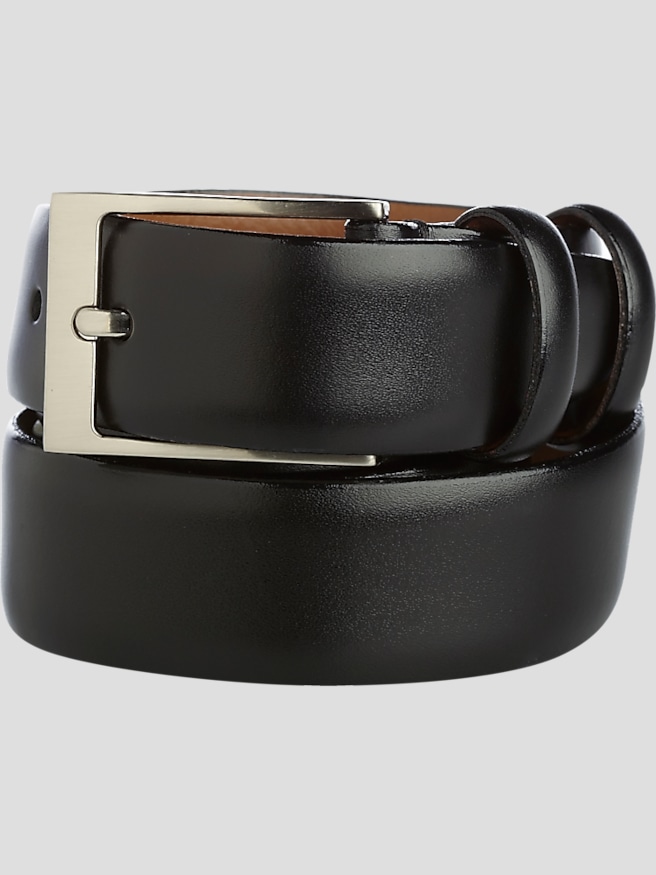
Styling a leather jacket often works best when the rest of the outfit leaves its texture and shape room to stand out. A black racer jacket over a plain crewneck with dark jeans creates a clean, uninterrupted line; a brown bomber with an oxford shirt and chinos feels more relaxed without looking unfinished. Leather footwear and a belt can connect the outfit without requiring every surface to match exactly. Similar color families usually look more cohesive than sharply competing shades, while a matte belt can sit comfortably alongside a jacket with a subtle sheen. Affordable Leather Belts offer a related finishing touch for outfits built around denim, chinos, or casual trousers. Maintaining the jacket’s appearance depends on treating its actual material rather than using the same method for every leather-like surface. For real leather, a soft cloth can remove loose dust, and any cleaner or conditioner should be appropriate for the specific finish and tested first on an inconspicuous area. Suede and nubuck need their own methods; products intended for smooth leather can alter their texture. Excessive conditioning can also change the feel or appearance of some finishes, so the care label remains important. Faux leather often needs only gentle surface cleaning with a lightly damp cloth, followed by drying with a soft cloth, unless its care instructions specify otherwise. Harsh solvents, machine washing, and direct heat can damage leather, synthetic coatings, or internal components. A broad, supportive hanger helps maintain the shoulder shape, and breathable storage is preferable to leaving a jacket compressed in a tightly packed space. Professional leather cleaning is appropriate when stains or odors require more than routine surface care. As a gift for a partner, brother, father, or friend, a leather jacket is especially personal: the recipient’s usual silhouette, preferred hardware, and everyday wardrobe are more useful clues than a dramatic style they rarely wear. A familiar shape with comfortable movement is more likely to become the jacket they reach for repeatedly.