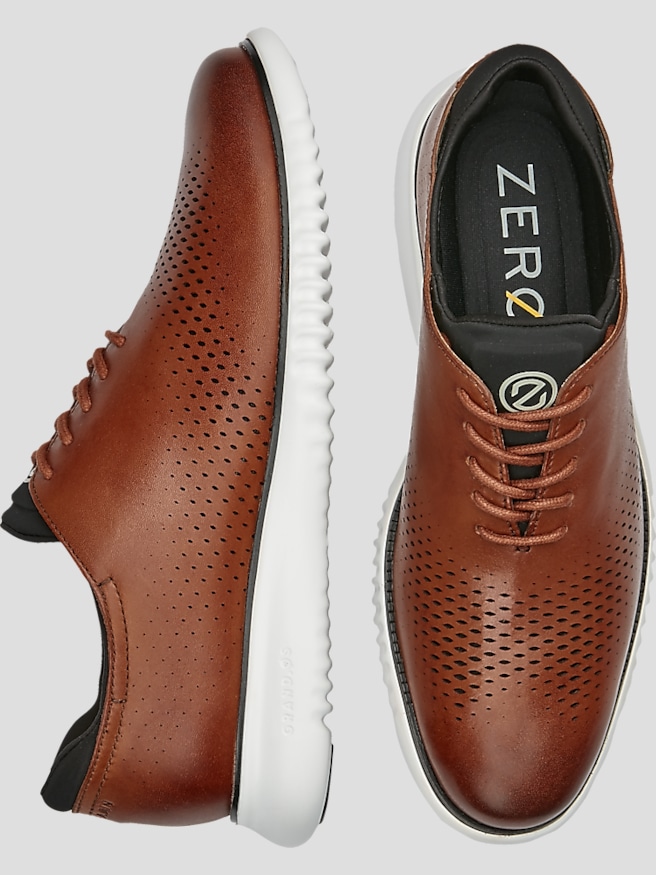
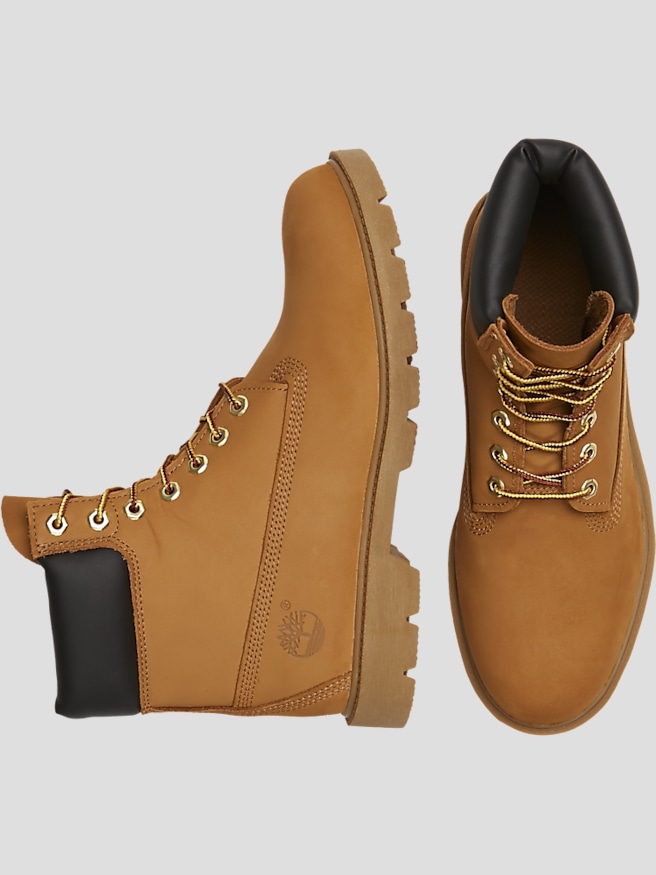
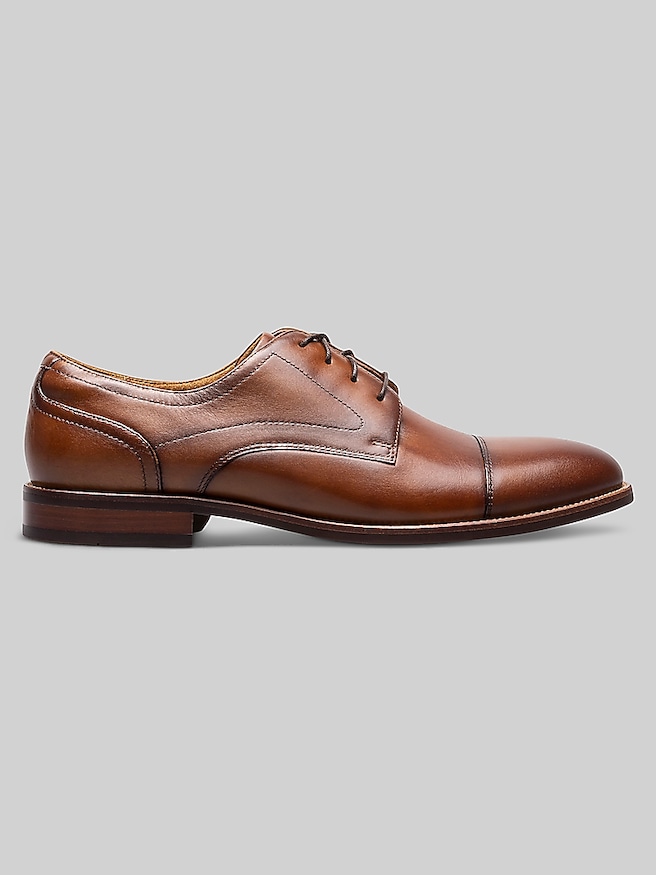
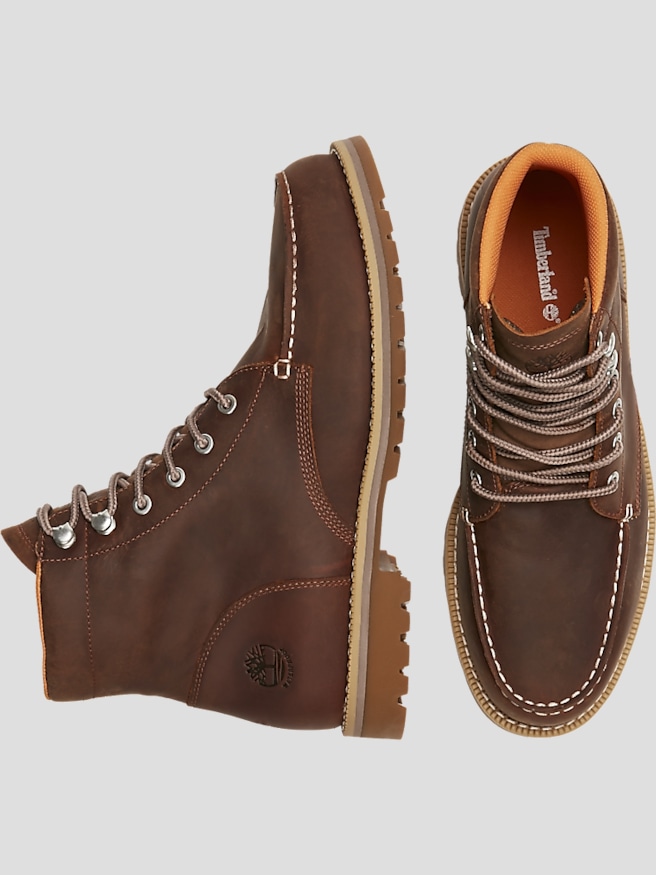
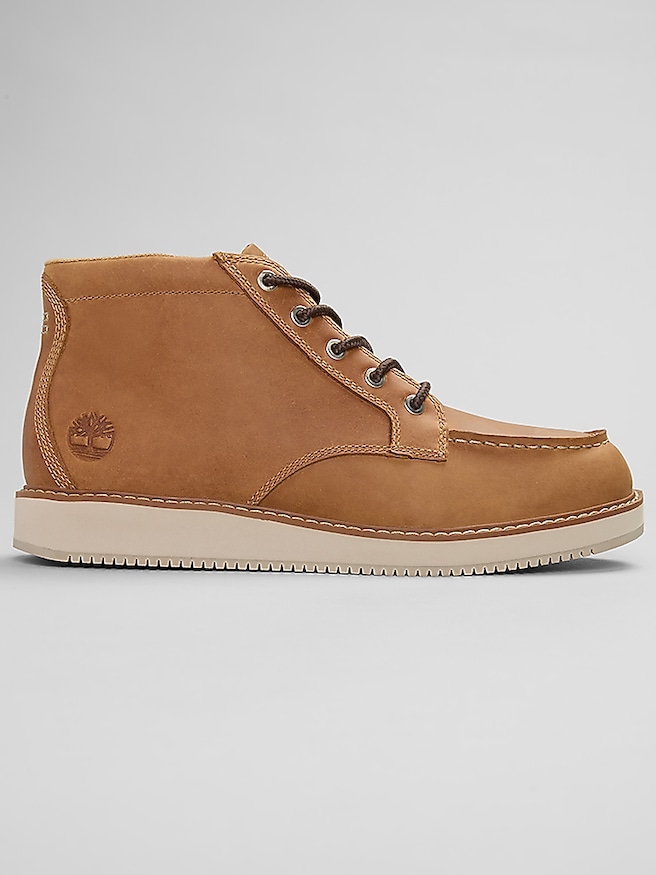
Chukka boots bring together the clean lines of a lace-up shoe and the easygoing character of an ankle boot. Typically defined by an ankle-height upper, open lacing, and two or three pairs of eyelets, they have a simple profile that works with much of an everyday wardrobe. The appeal of affordable chukka boots starts with that versatility: a pair can look at home beneath straight-leg jeans, cotton chinos, or tailored casual trousers without making an outfit feel overly dressed up. Their relatively uncluttered shape also gives the material room to stand out, whether that means the soft texture of suede or the subtle sheen of smooth leather. A rounded or softly tapered toe usually feels relaxed, while a slimmer silhouette and a less prominent sole can create a more polished impression. Brown shades pair naturally with navy, olive, gray, and denim; black creates a sharper finish with charcoal trousers or dark jeans. For a business-casual office, smooth leather chukkas can complement chinos and a button-down shirt, provided the workplace dress code allows boots. For a dinner out, suede chukkas with dark denim and an unstructured jacket offer texture without much fuss. The trouser hem matters, too: a slight break or a neat cuff leaves the boot’s shape visible, whereas excess fabric can bunch around the ankle. Chukkas generally belong in casual and smart-casual settings rather than with a tuxedo or strict formal attire. They suit people who prefer a compact footwear wardrobe, commuters whose day includes both sitting and walking, and anyone who likes the feel of a boot without a tall shaft. As a gift, they make the most sense when the recipient’s usual size, width, and preferred footwear style are known. Someone who wears mostly relaxed denim may enjoy a textured suede finish, while someone who regularly wears pressed trousers may favor a smoother upper and a more streamlined shape.
Materials and construction influence how chukka boots feel, look, and hold up over repeated wear. Smooth leather can develop creases and a patina, giving the upper character as it flexes with the foot. Suede has a napped surface that softens the look of the boot and adds a tactile contrast to crisp cotton or denim. Neither surface alone determines quality; leather thickness, lining, stitching, sole attachment, and overall finishing all contribute to performance. For a closer look at the smooth-leather side of the category, Men's Leather Chukka Boots offers a related footwear focus. Synthetic uppers can have their own care requirements and may feel less yielding than leather, so material descriptions matter more than appearance alone. Inside the boot, a smooth lining and neatly finished seams help limit friction, particularly around the heel and ankle opening. Cushioning can soften the feeling underfoot, but a plush footbed is not a substitute for enough room through the forefoot or suitable support. Sole materials also change the experience. Rubber outsoles can provide useful grip and flexibility, depending on their compound and tread pattern. Crepe soles often have a softer feel and a distinctly casual appearance, though their textured surfaces can collect dirt. Leather soles tend to look more refined but may feel firmer and provide less traction on slick surfaces. A heavier sole gives the boot a sturdier visual presence, while a lower-profile sole sits more discreetly beneath tailored trousers. Durability depends on intended use as much as construction: daily pavement walking places more demand on an outsole than occasional dinners or desk-based work. Even stitching, secure eyelets, and a clean connection between the upper and sole are useful details to assess. Some stitched constructions may allow sole replacement, but repairability should be confirmed rather than assumed. Chukkas are everyday footwear, not a substitute for purpose-built hiking boots, protective work footwear, or shoes designed for specialized athletic activity.
A comfortable fit gives chukka boots their everyday usefulness. The toes should have space to move without the foot sliding forward, and the widest part of the foot should sit comfortably within the widest part of the boot. Pressure across the ball of the foot, pinching at the little toe, or rubbing against the ankle bone suggests a shape or size mismatch rather than something to simply tolerate. Leather may soften with wear, but a boot that is too short will not gain meaningful length. Trying boots with the socks intended for regular wear gives a more realistic impression than using an unusually thin or thick pair. Walking on a clean indoor surface can reveal heel movement, pressure from the tongue, or stiffness at the flex point. The laces should hold the instep securely without needing to be pulled so tightly that the upper digs into the foot. Anyone using an orthotic should check interior depth and whether the footbed is removable; adding an insert to a shallow boot can crowd the toes and lift the heel against the collar. Once the fit is right, straightforward care helps preserve both appearance and structure. Dust and grit should be brushed away before they settle into seams or abrade the surface. Smooth leather generally benefits from a soft cloth and an appropriate leather conditioner used according to the maker’s directions, with any treatment tested first on an inconspicuous area. Suede calls for a suitable suede brush and material-specific cleaning products rather than ordinary leather polish or cream. Protective treatments should match the upper material and should not be taken as proof that a boot is waterproof. After cleaning, boots should dry naturally away from direct heat. Shoe trees can help support their shape between wears, and allowing time to air out reduces trapped moisture inside. Checking heels and soles for uneven wear can also identify repair needs before damage spreads. With a suitable fit, thoughtful material choices, and consistent care, chukka boots can become a dependable part of a wardrobe built around comfortable, well-composed everyday outfits.